
“Our fate flows with that of rivers, and always has”
Have you read this book? Is a River Alive? by Robert Macfarlane. I’ve just finished it. It took me a while and I’m a fast reader. It took me a while because it’s so beautifully written, so full of thought provoking narrative and ideas and reminders and comment that I had to keep going back and reading passages again and again. And I had to keep stopping to give myself time to think about all that was written there about rivers and nature and our relationship with those – individually, historically, politically and culturally.
Robert Macfarlane has written an extraordinary book about the concept of the river as a living, flowing, life-giving and life-affirming being who should be recognized in law to have rights. He follows the course of three rivers – in Equador, India and Canada – examining and explaining how rivers are alive and how and why they die and crucially how they can heal themselves given the opportunity:
“Rivers are easily wounded. But given a chance, they heal themselves with remarkable speed. Their life pours back”
As we walked along the River Tweed on this walk, the book was on my mind. Not that I think the Tweed is an example of a dying river, less so anyway possibly than many other rivers in Scotland. Indeed the Tweed may be one of the lucky ones – the Tweed Forum (https://tweedforum.org/who-we-are/about-us/ ) having been working to conserve, enhance and restore the Tweed and its catchment area for around 30 years. It’s just that when you read this book, and then you walk beside a river you can’t help wondering how different the scene might have been before we polluted, drained, damned and altered the course to suit our own needs without thought for the needs and rights of the river.
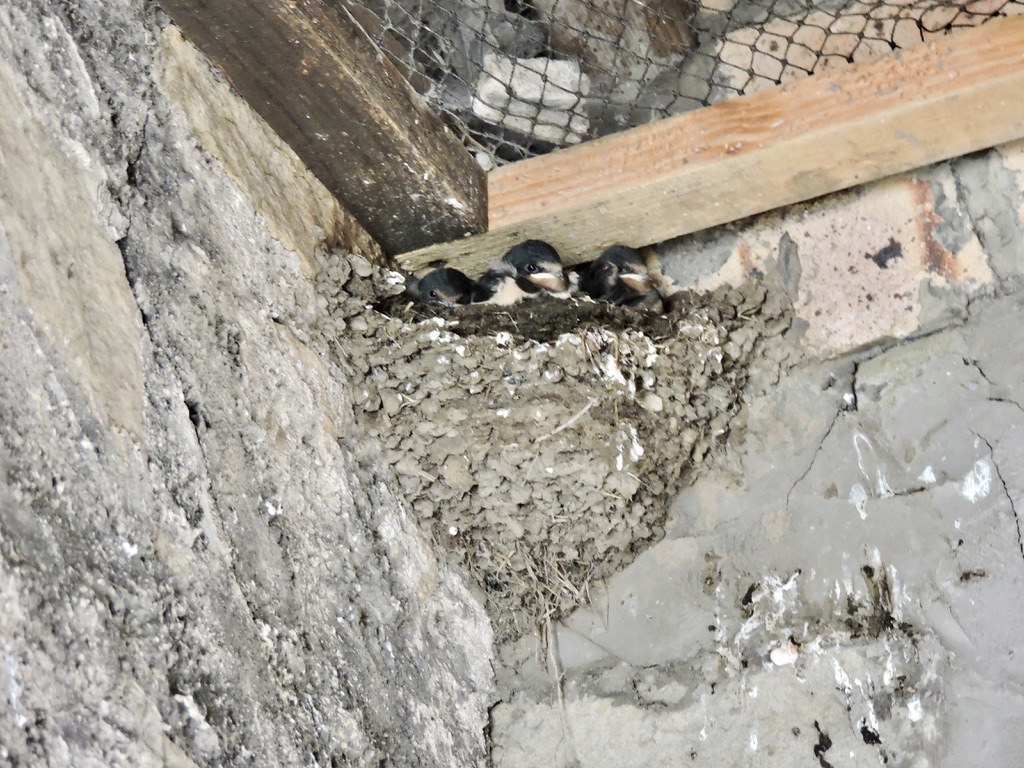
We began walking at The Hirsel (The Hirsel Country Park) where we spotted a swallows nest high up under an archway – 3 tiny baby swallows peering down at us. We walked around the lake and through the woods and rhododendron bushes to emerge on the main road which we crossed to enter the hamlet of Fireburnmill and head downhill to the river which/who (read the book) is high after the torrential downpours of the previous weekend.
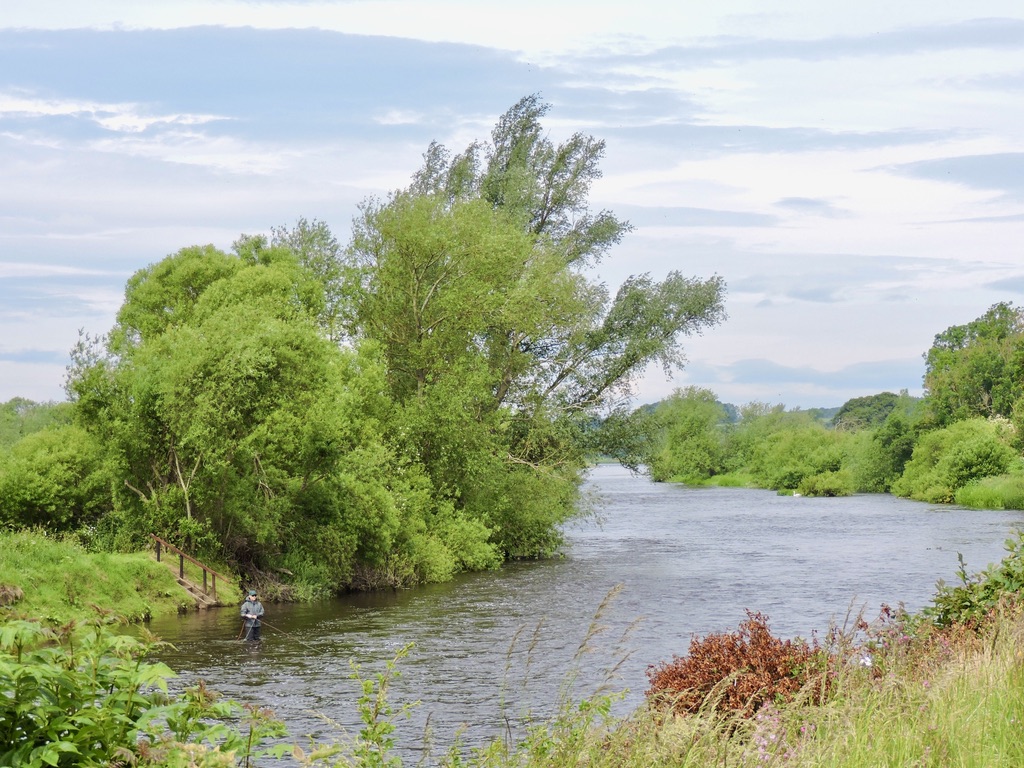
We should not be fooled by this full and fast flowing river into thinking water is plentiful in Scotland. We are currently in a state of water scarcity – not as rare an event as you might think! (https://beta.sepa.scot/water-scarcity/)

On the opposite bank – in England in fact! – there’s a Gillie’s boat tied up. The Gillies know the river well, understand the conditions and support fishermen to find good spots for salmon fishing on the Tweed (and other rivers). If you’re interested in the life of the salmon and how Scotland needs the salmon, there’s an amazing film called Riverwoods which I saw locally a couple of years ago telling the compelling story of this fish that once lived in the forest. And how “Scotland’s Atlantic salmon – the King of Fish – is not only the ultimate angler’s prize, but a key building block in a complex forest ecosystem” https://www.riverwoods.org.uk/streams/thefilm/. I don’t know if you can still watch it anywhere but well worth a try.
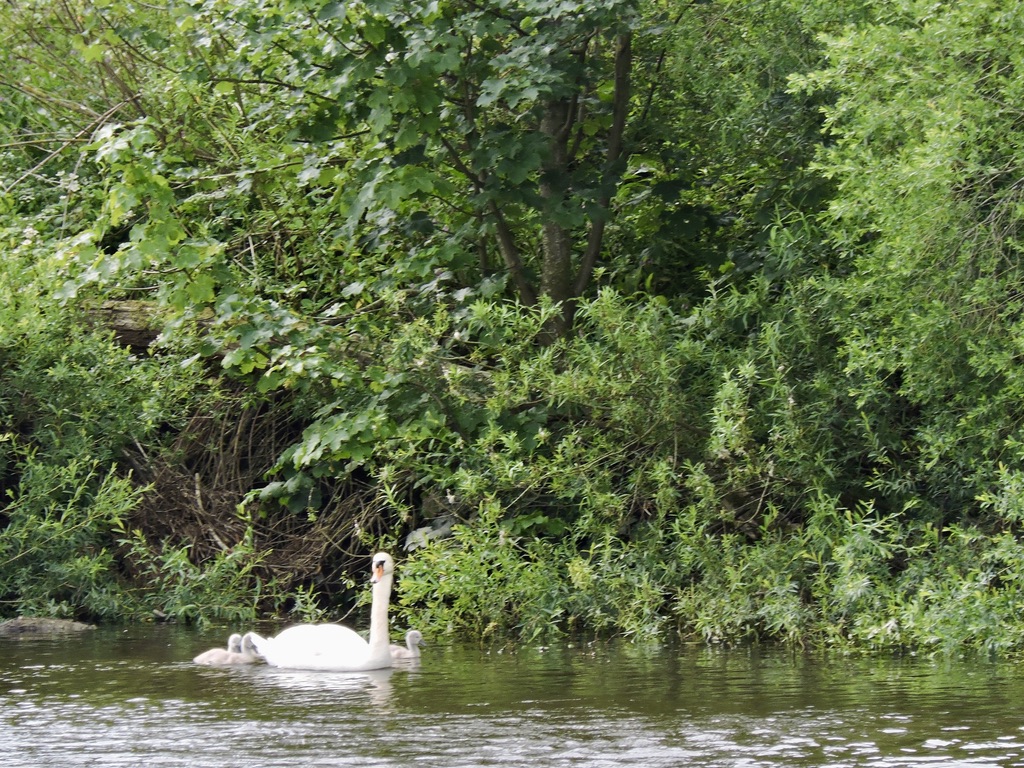
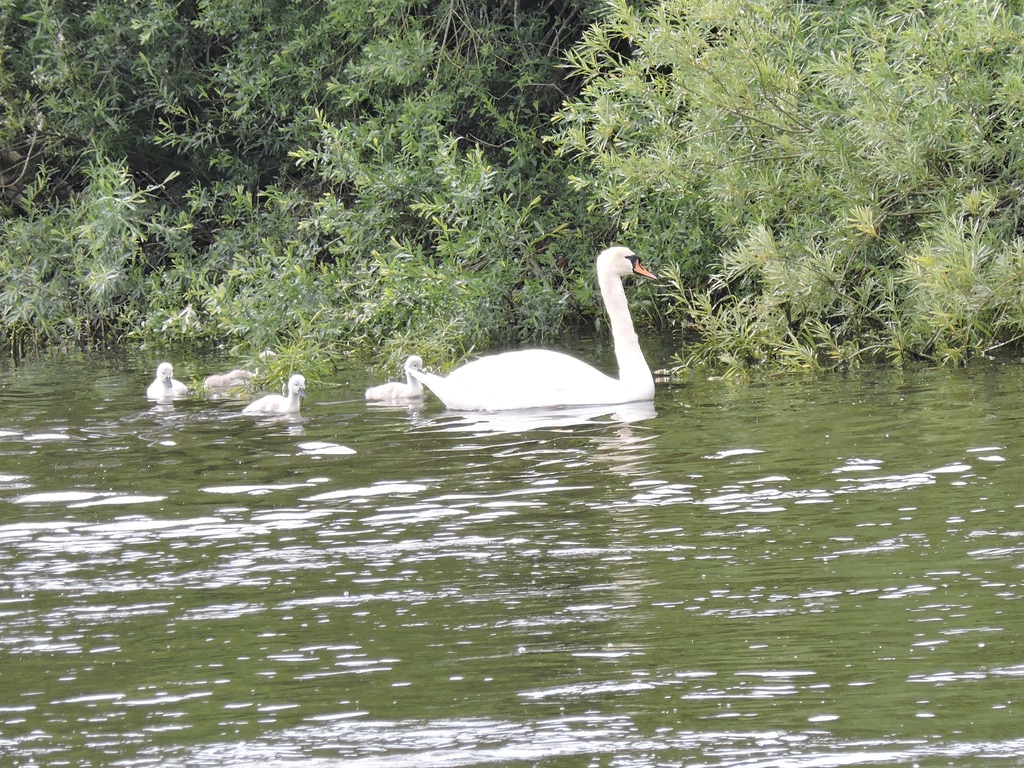
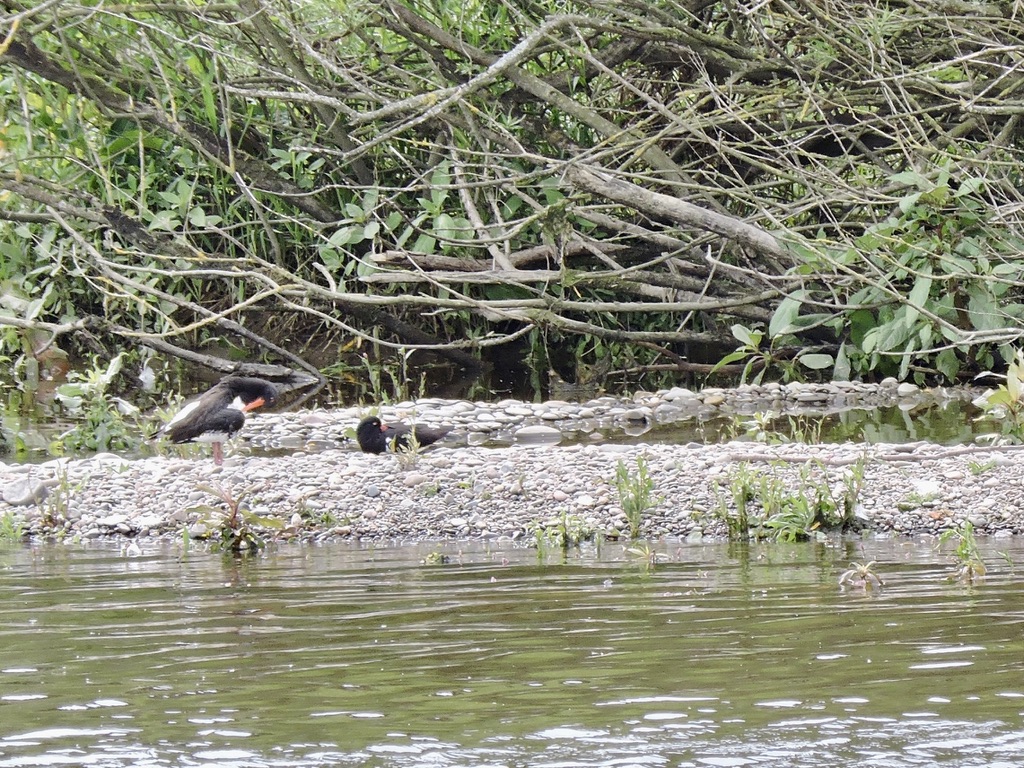
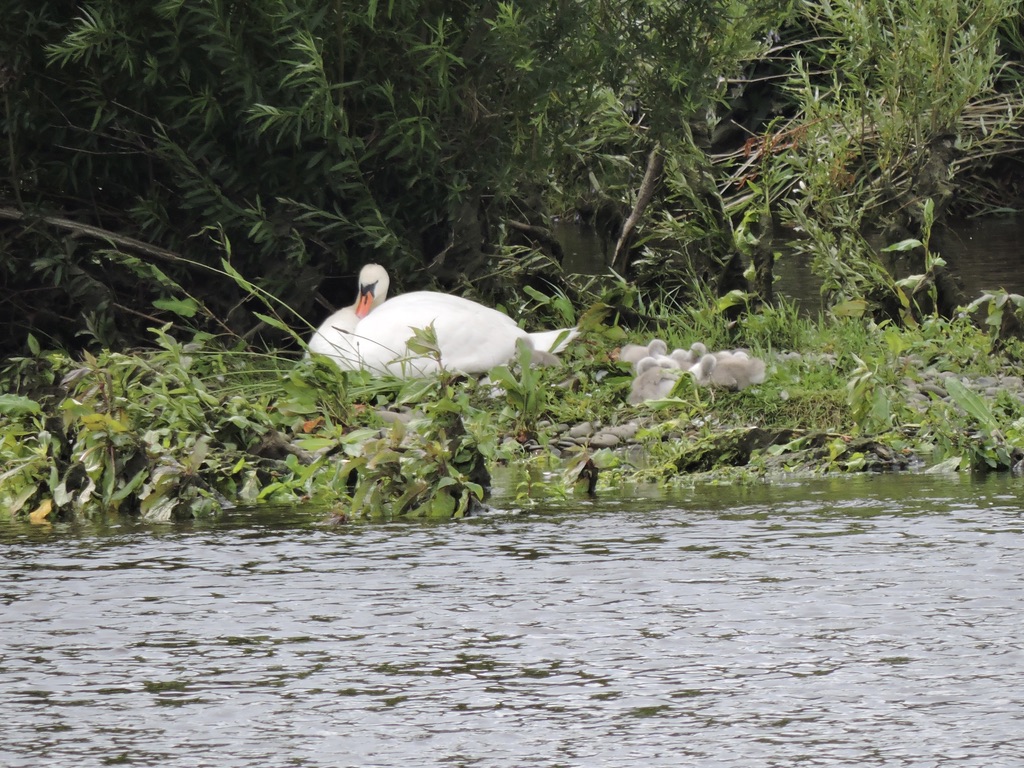
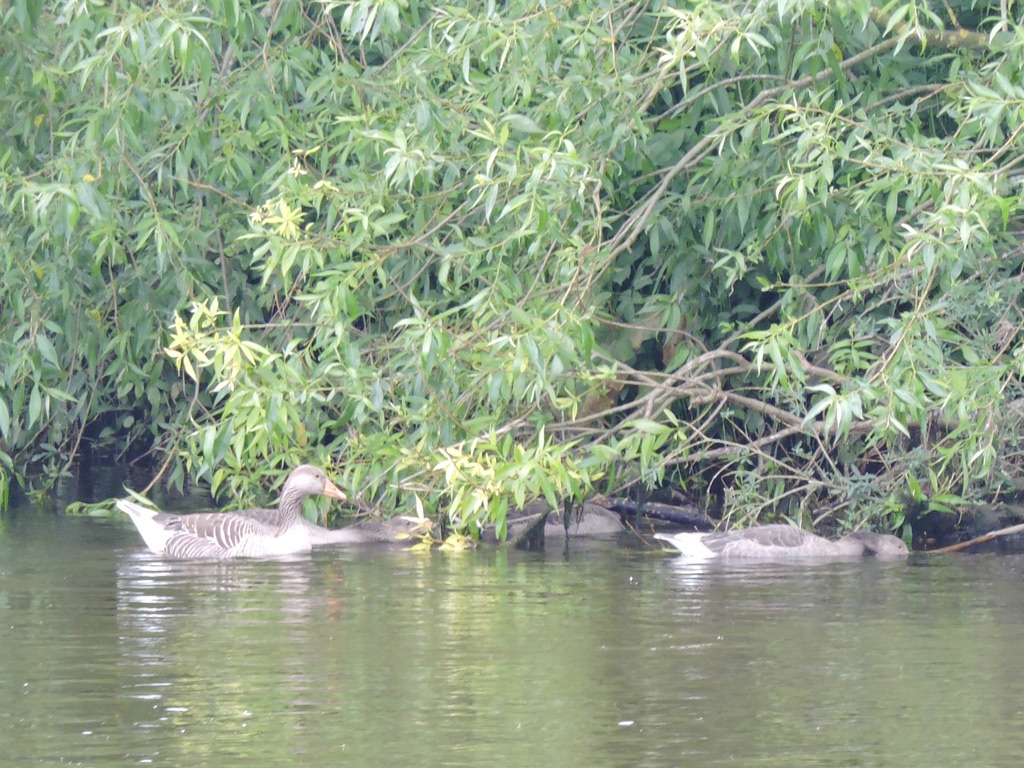
We see plenty of evidence of life on this river as we wander along, a pair of egrets, heron, oyster catchers, swans and cygnets, ducks and greylag geese. I remind myself that this river is only at the beginning of a journey to hopefully return to a state of wellbeing, their life pouring back. “Hope is the thing with rivers.” (Macfarlane 2025)
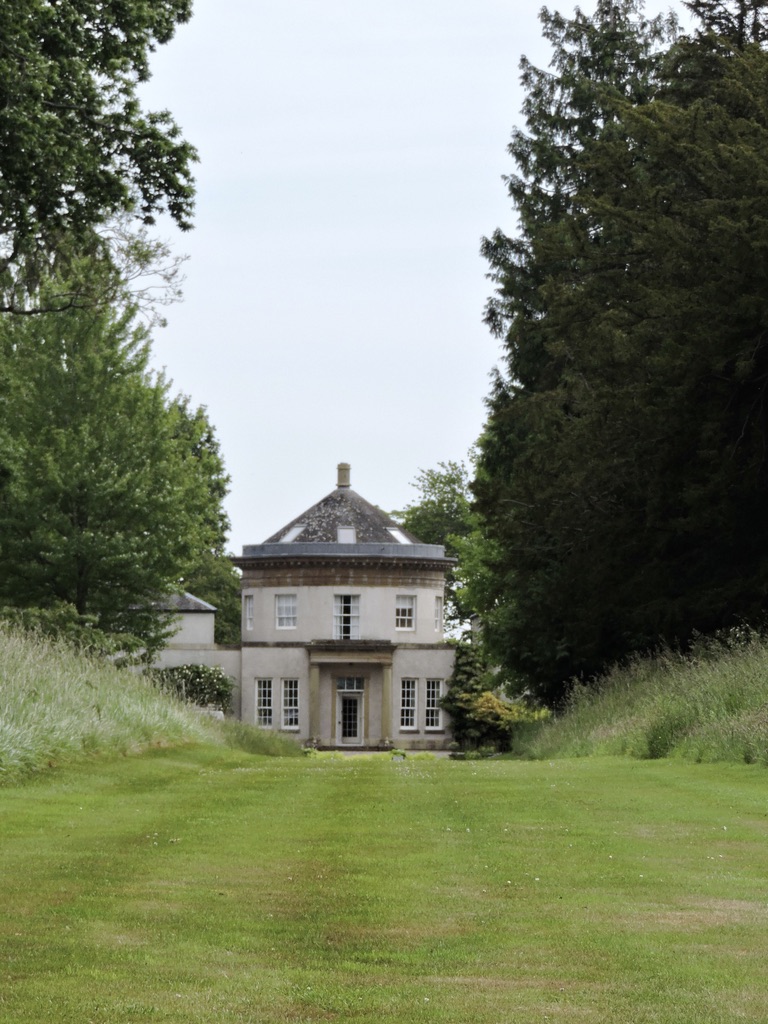
Eventually, after a mile or more we arrive at the Lees Estate with it’s roundhouse and temple. Originally recorded in 1576 the estate was acquired by the third son of the first Earl of Haddington who “by his riotous living, he dilapidated all, not only the lands but also great sums of money besides”. I have to wonder what damage the river, running innocently across his land, suffered from because of his lifestyle. The original house was replaced by the roundhouse in around 1976 and the Temple was built around the 1760s as an ornament in the garden overlooking the river, the stretch of river here becoming known to fishermen as Temple Pool.
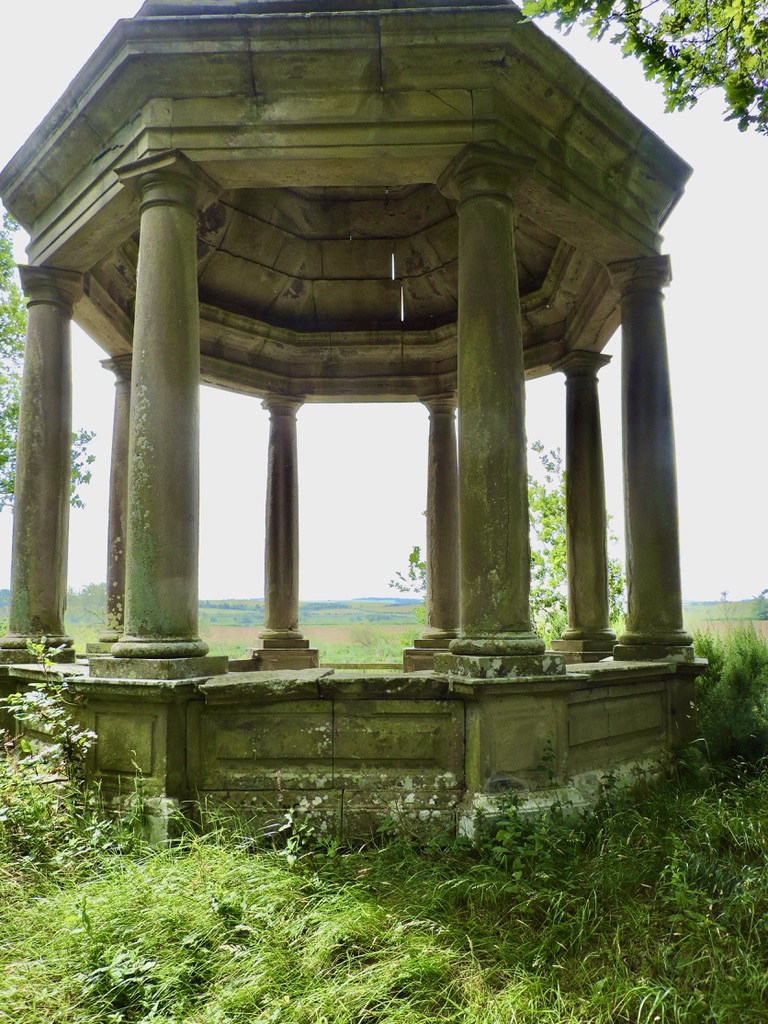
As we skirt the garden of the estate and emerge through woodland back onto farmland we follow the river around a huge ox-bow by walking along a raised bank.
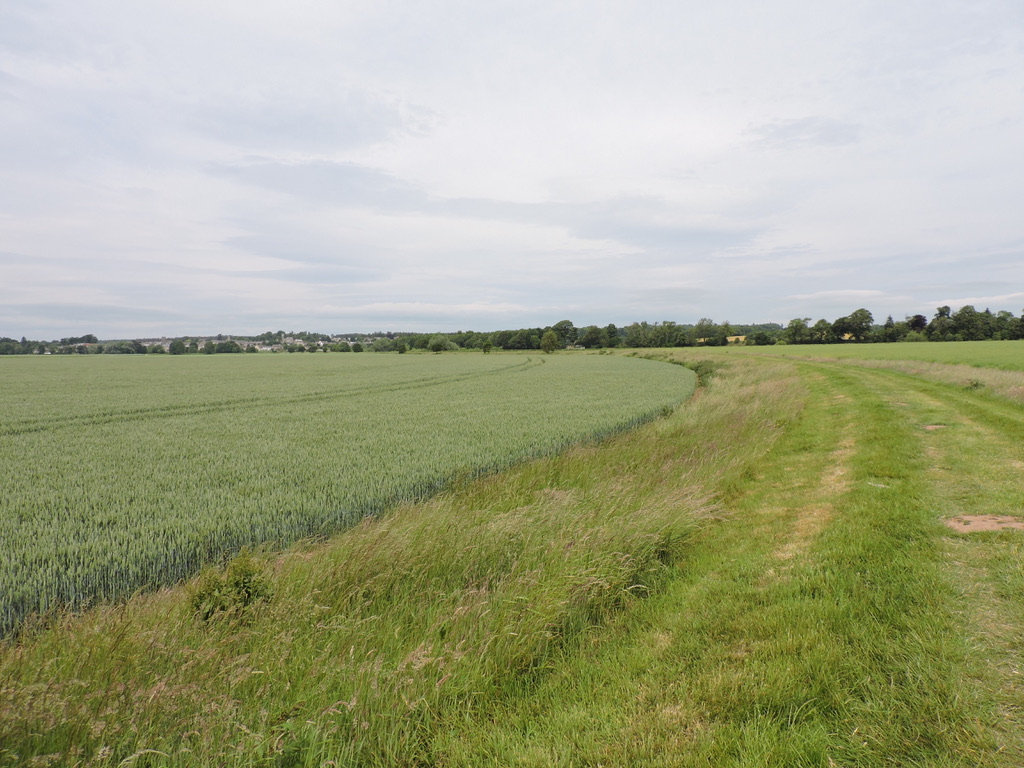
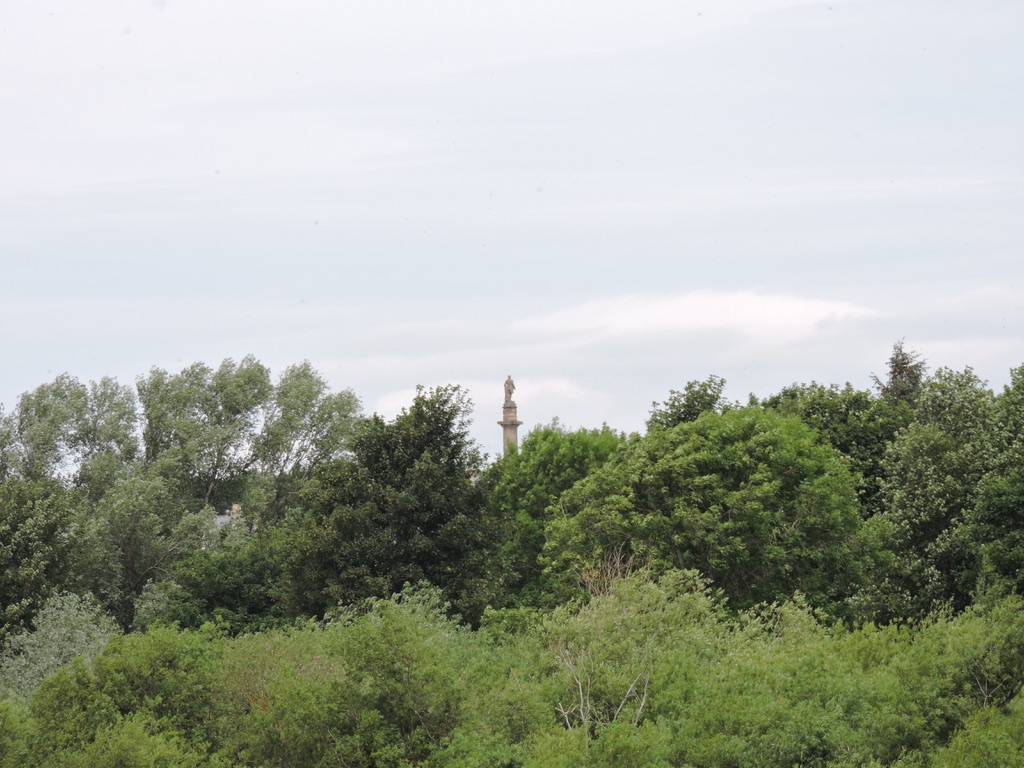
Fields of wheat and peas sit within the ox-bow and in the distance we can see the tall column dedicated to Charles Marjoribanks a liberal MP in 1832.
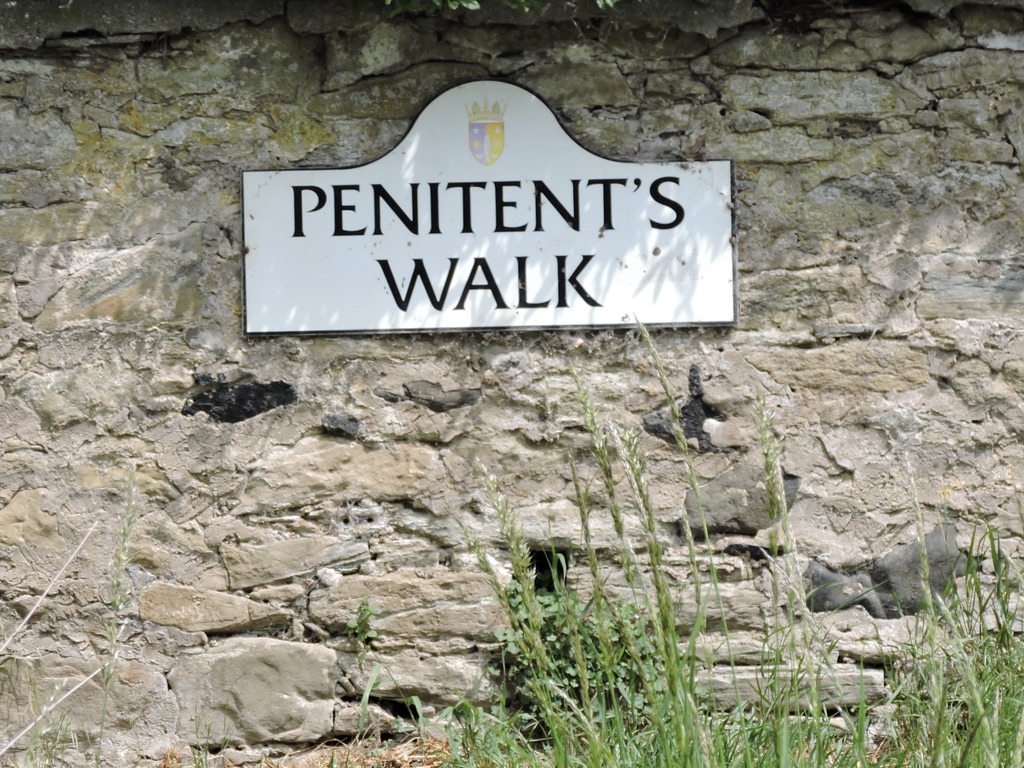
We cross a little wooden bridge over a burn and are back in Coldstream opposite the former Cistercian nunnery. The road to our right is Penitents Walk – the nuns are said to have carried the dead and injured from the Battle of Flodden along this way.
Then we just have to walk up the main road and along the very long straight driveway to return to The Hirsel.
“There are few things as powerful as an idea whose time has come. Over the past twenty years, energized by ecological emergency, the young Rights of Nature movement has repeatedly inspired new forms of future dreaming, and unsettled long-held orthodoxies by appealing to imagination as much as to law.”…………………..
“Rivers, above all, have become the focus for this movement.“

 ricketyrambler