Belsay Hall – or – “make a U-turn if possible”

Be warned – I do complain quite a bit in this post!

We made 2 attempts to reach Belsay Hall which is about an hour and a half away in Northumberland straight down the A696. We’ve been there before – we know where it is and how to get there. There’s a lovely walk from Belsay Hall itself, through the gardens and along a ravine cut away in the rock which is lined with rhododendrons and other exotic specimens collected by previous owners.

About two thirds of the way there we started noticing ‘road ahead closed’ signs – worrying, but not disastrous – after all we were nearly there, it didn’t say how far ahead the road was closed and the diversion signs seemed to be in completely the wrong direction. Lesson 1 – Never ignore a road ahead closed sign! Suddenly – there it was – a barricade across the road!! We pulled off into a side road and came to a village where we stopped and asked directions from a group of walkers. It has to be said the village green was busy with people all sitting in their cars studying their maps and reconfiguring their satnavs. The next 2 hours was spent criss-crossing the moors, requesting directions in random shops, passing the same group of bikers several times – obviously also lost – and not getting where we wanted to go. Our satnav meanwhile was having a crisis – if I never hear that phrase – “make a U-turn if possible” – again it’ll be too soon. Nearly 3 hours into a drive around Northumberland, thirsty, irritable and desperate for a public convenience – we turn around and head home.

A week later we try again, different route, supposed to take only a few minutes longer. We do well, until we reach a town which is supposed to be not far from Belsay – and there it is again – “make a U-turn if possible”. We spend the next hour making U-turns and studying our newly purchased paper map before finally reaching Belsay with a huge sigh of relief.

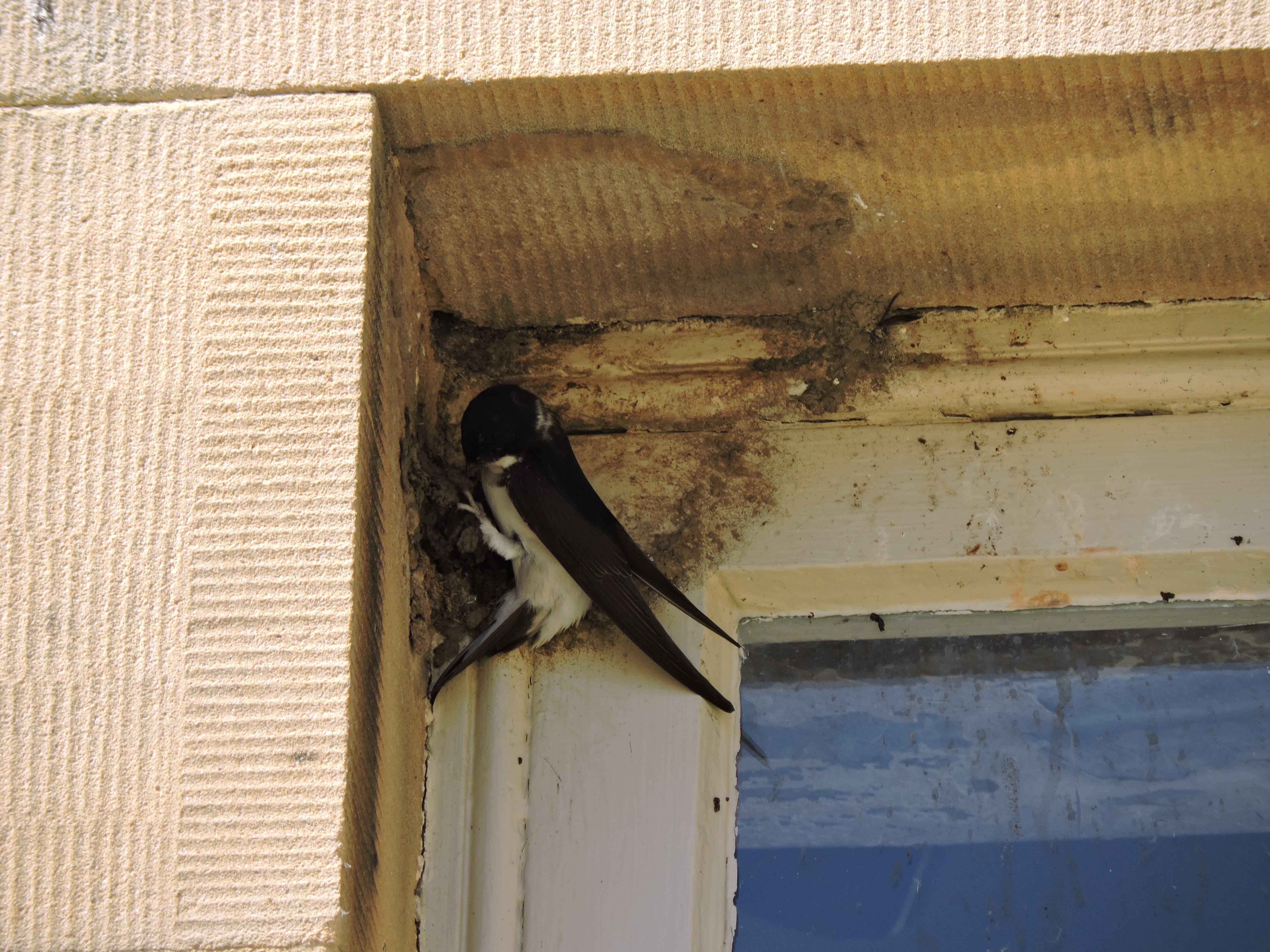
In the spirit of complaining – I’m just going to mention that, along with a new play area and cafe, Belsay have introduced pay and display parking! £4! In cash! Who carries cash anymore? Well luckily Mr RR does – so – fees paid, fortified by tea and coffee (in paper cups – I hate paper cups!) we head for the Hall, spotting a pair of swallows building their nest on the way. It always makes me feel better when I see how hard birds work to build a place to lay their eggs in a certain place, when all we did was sit in the car and turn up (more or less).
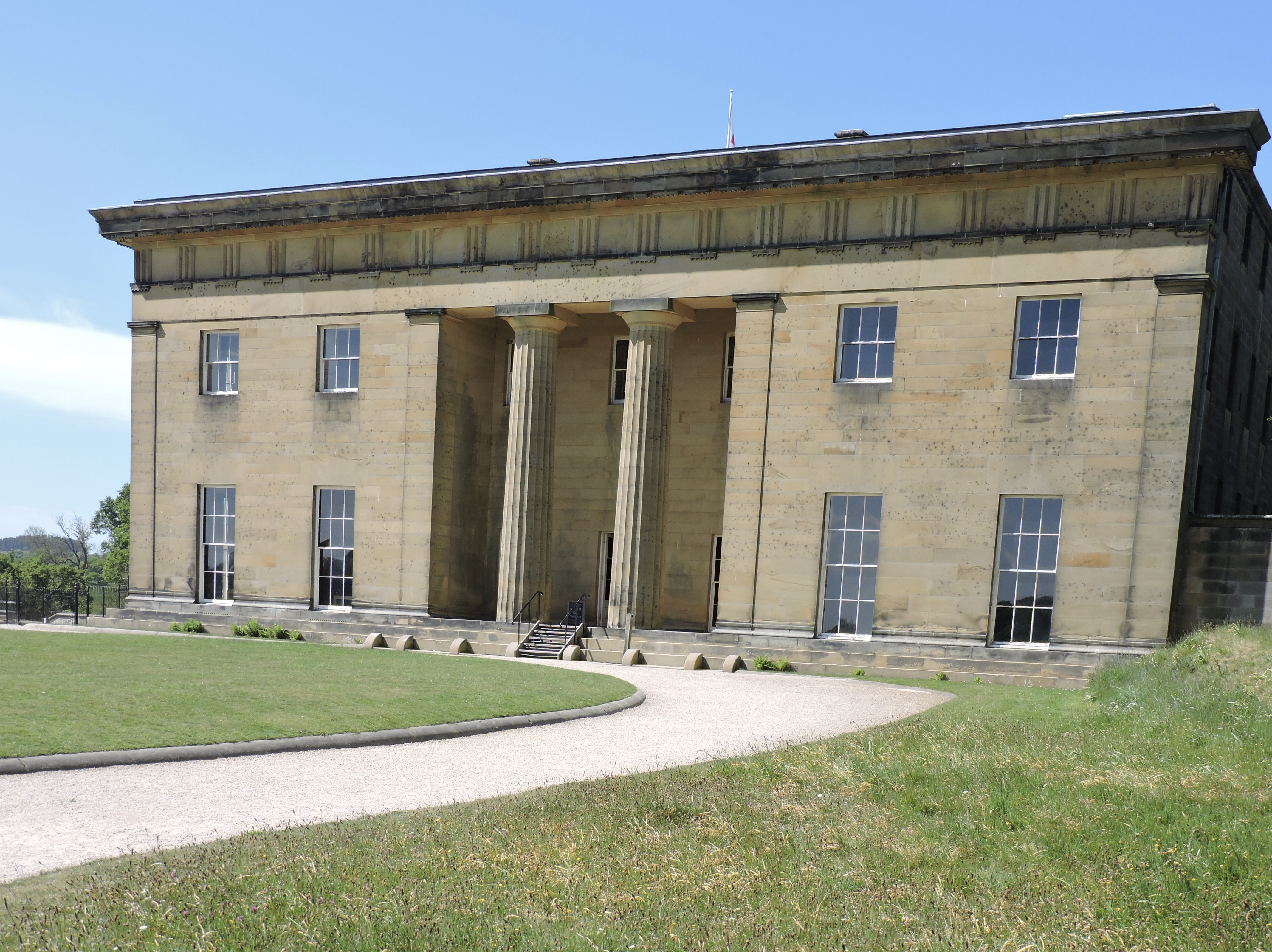
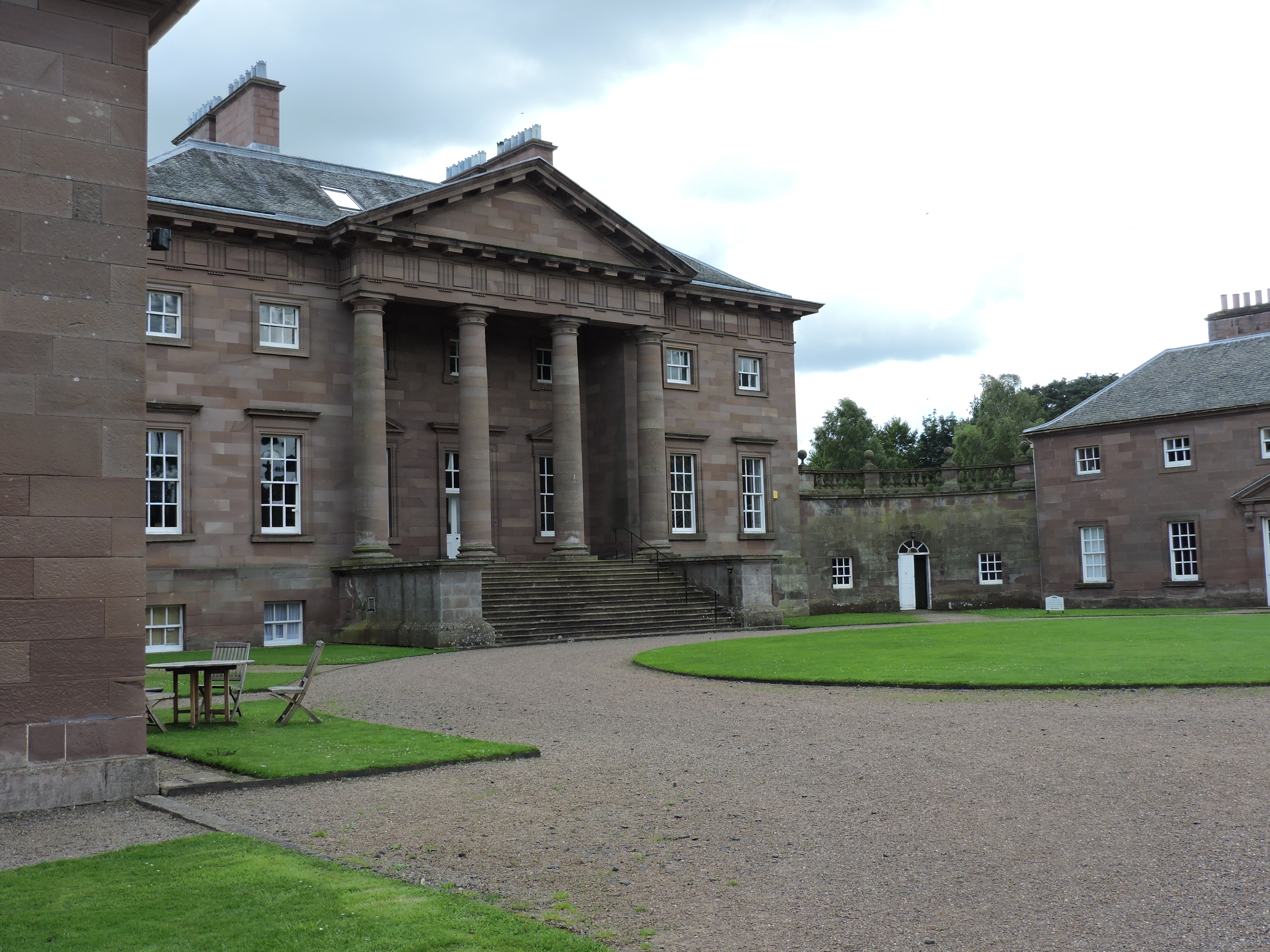
Belsay Hall is a Greek Revival Mansion built of sandstone blocks quarried from the estate, and is exactly 30 metres square. Sir Charles Monck began building it in 1807 having spent his 2 year honeymoon (!) in Greece. He was passionate about the design and architecture of bulidings and the local flora in Greece keeping detailed travel diaries. Later he travelled to Sicily and was inspired by what he saw there to plant the quarry garden at Belsay. The Hall has recently been restored by English Heritage.

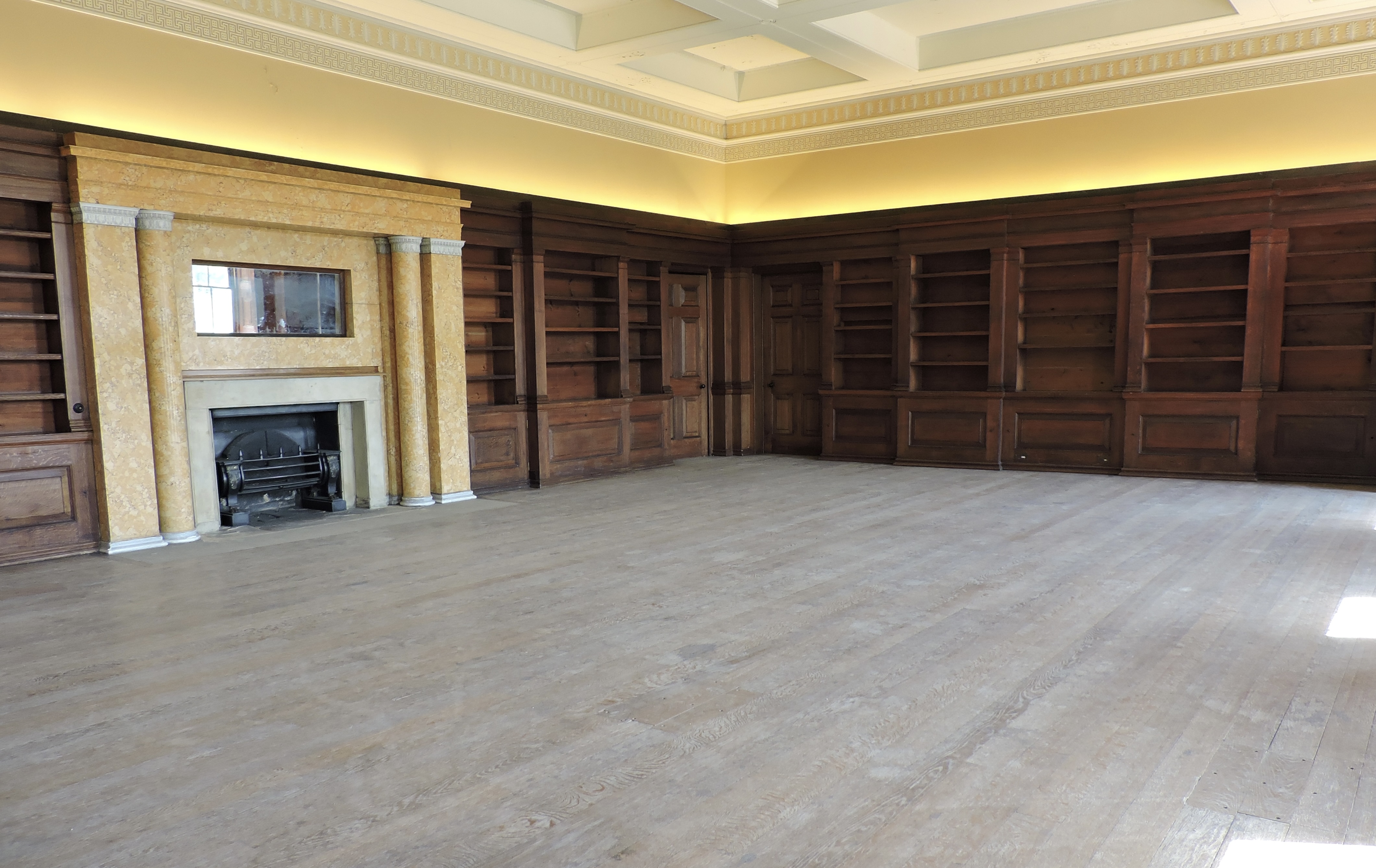
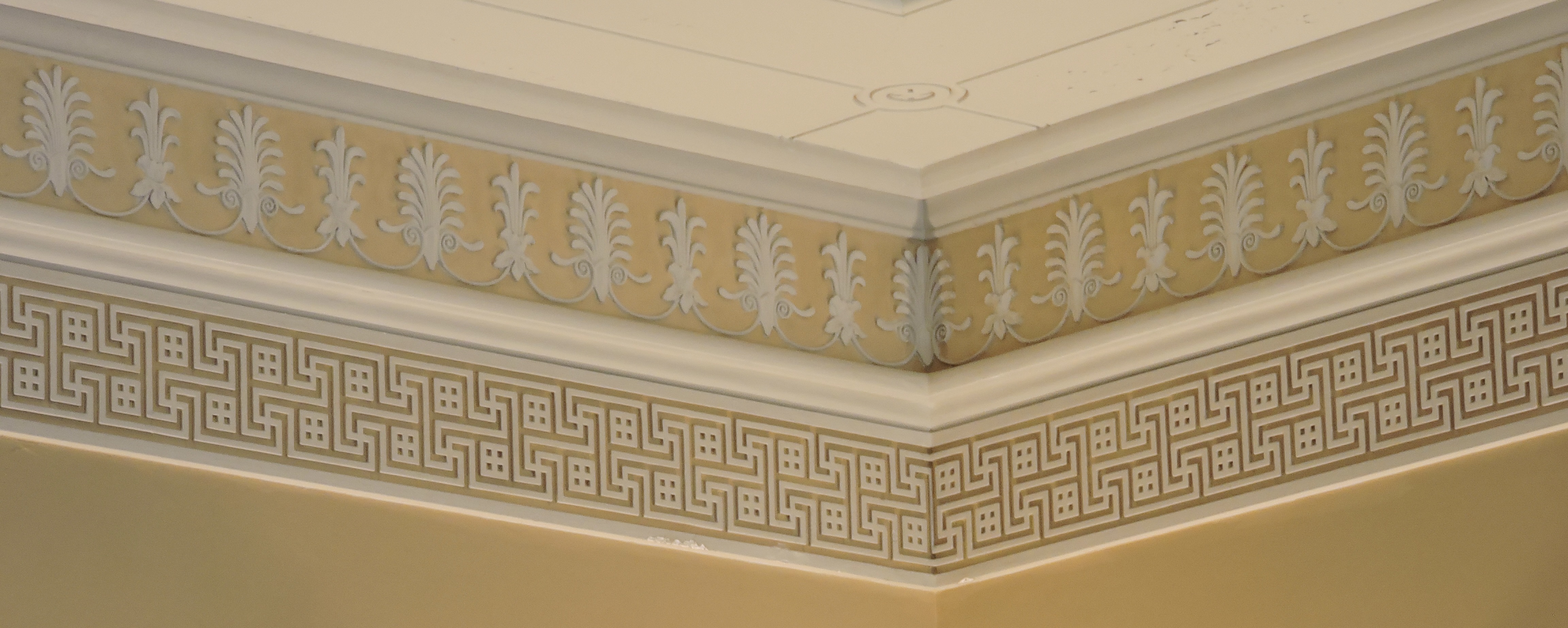
We had a look around the hall, which is empty of furniture and has unplastered walls and high pillars in the entrance hall so that it’s a bit like walking into an ancient temple. The Library which is now bookless has a frieze in a Greek Revival Key pattern
The formal gardens are lovely and well-kept…….

but it’s the quarry garden that steals the show….

We emerge from the quarry path into the sunshine for a view of the medieval castle:
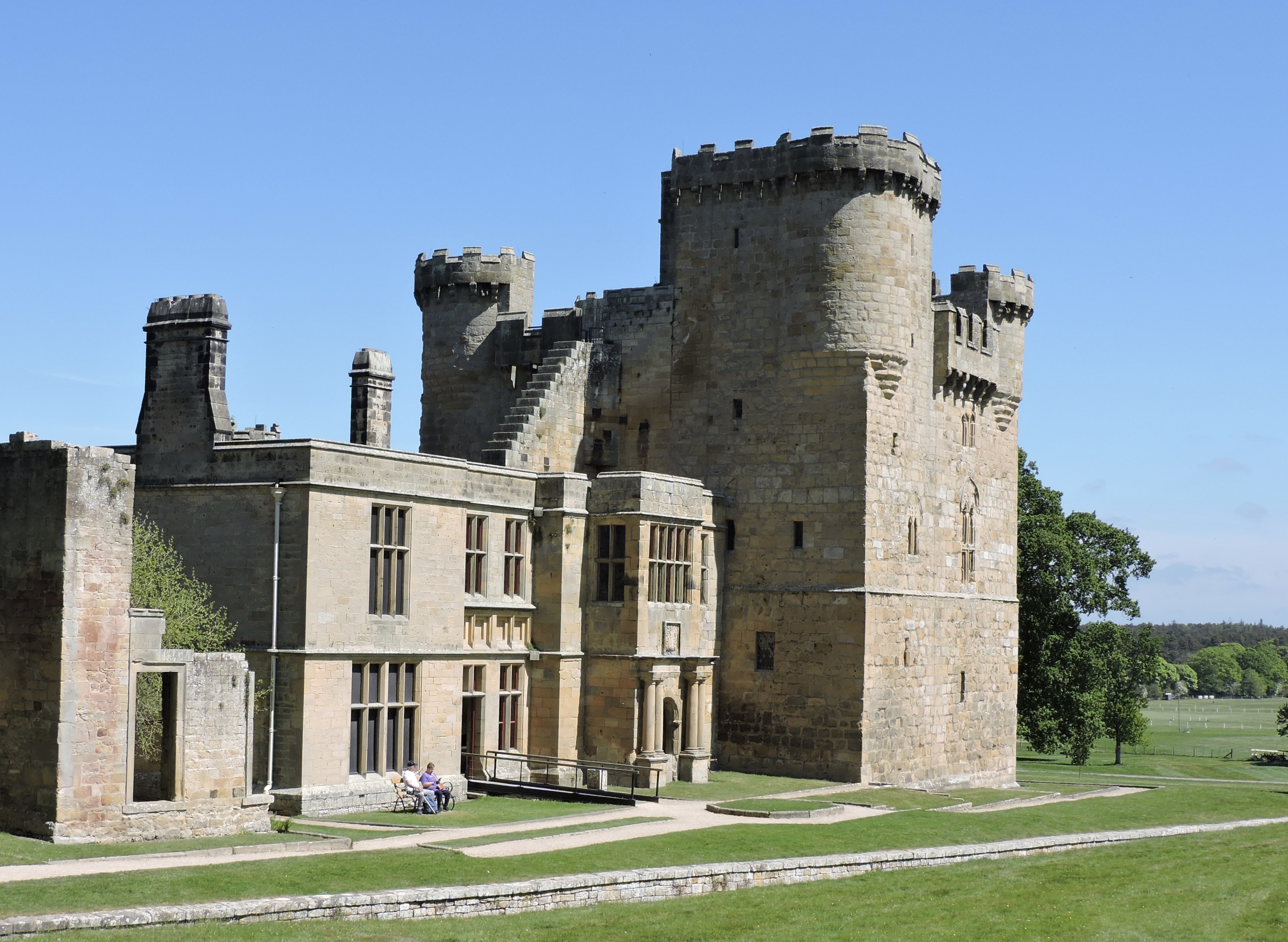
The Middleton family lived at Belsay continuously since the 13th century, although the estate was forfeited in in 1317 when Sir Richard de Middleton’s grandson John was executed for treason – disastrous for Sir Richard as he was Lord Chancellor to Henry III at the time! Luckily for them the estate was returned to the Middleton’s when one of his descendants managed to marry into the resident family.

Alongside the castle is the newly constructed “Wild Man” play area – named after a figure painted on the inside east wall of the tower. “Wild Man” is a medieval mythical figure present on the Middleton coat of arms. It’s one of several fragments of early paintings still visible including heraldic shields and a naval scene reflecting Sir John Middleton VII’s role as commander of fleets against the French in the 1480s.

Also nearby is the newly converted coach house and stables which is now a cafe beautifully done out with wooden beams and upholstered wooden seating. It all looks lovely. Sadly, the experience of having lunch in this lovely building was not so lovely. Lunch was delivered to our table in a cardboard box with a sellophane lid, drinks were in paper cups, and we hacked at our jacket potatoes with flimsy wooden disposable cutlery, whilst reading information on photo boards telling us how proud English Heritage is of its ethical and sustainable practices. I’m not sure whether we just visited on the day the dishwasher broke down or if this was normal – whichever it was, it sort of spoiled the experience for us.

Going back to the Middleton’s for a minute – Sir William Middleton II died in 1757 leaving the estate in debt and everything had to be sold off – but the fortunate Middleton’s again managed to marry into the right family – Sir William’s nephew (also William) wed Jane Monck, a very wealthy heiress. It was William and Jane’s son Charles (who changed his name to Monck so that he could inherit some land in Lincolnshire) who was the passionate Classicist and had the greatest impact on Belsay.

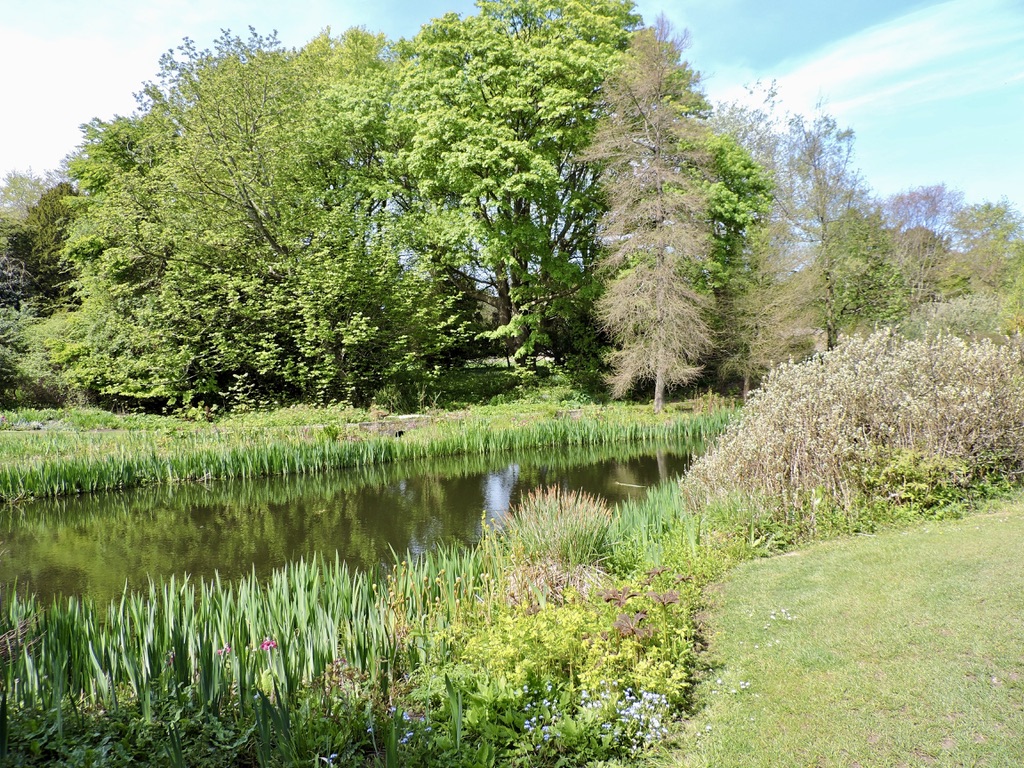
As well as the formal and quarry gardens, Charles planted exotic conifers, Scots Pine and other hardwood species to form Crag Wood to the south of the house and its here we venture next, passing the manmade lake:
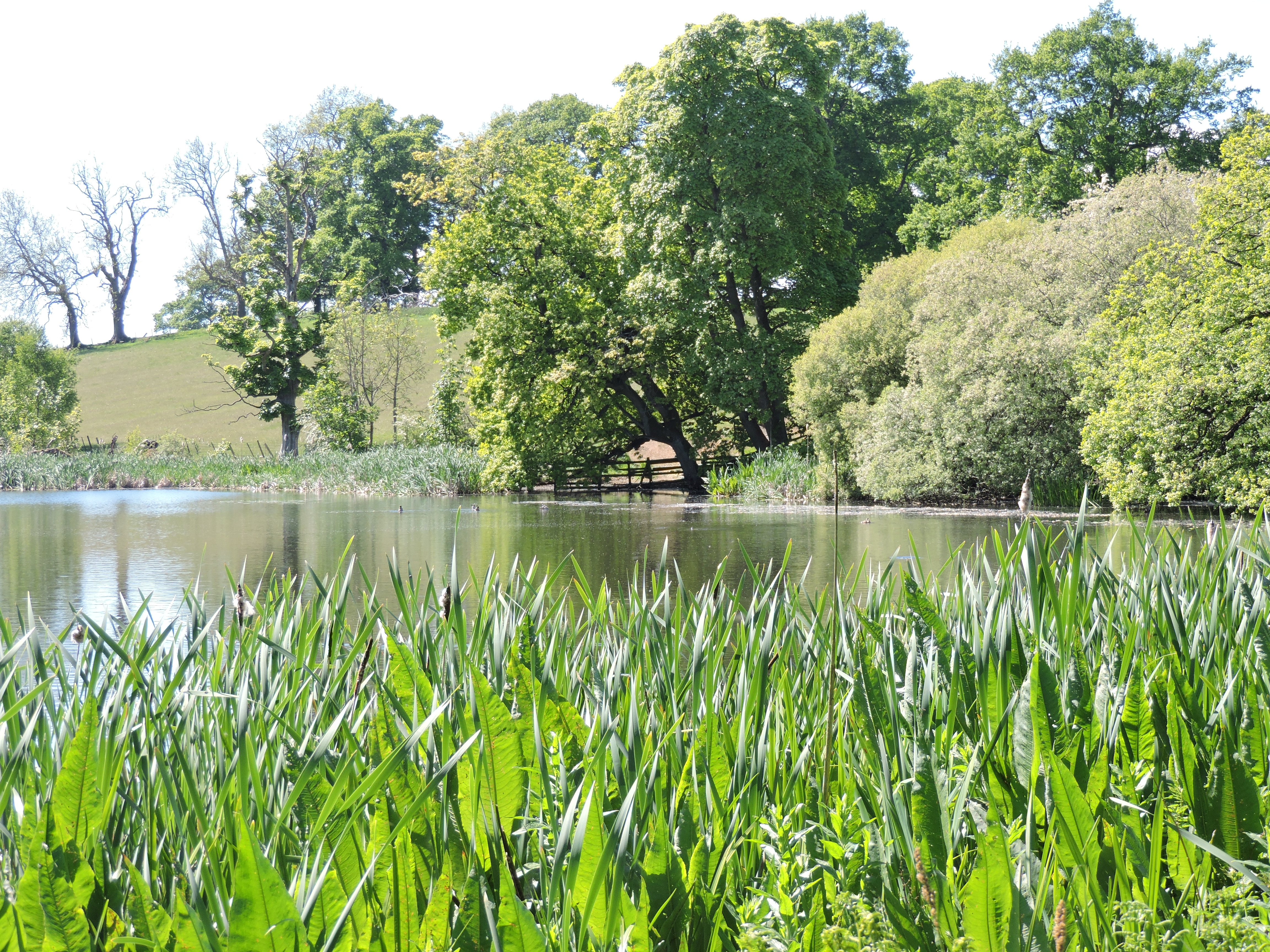
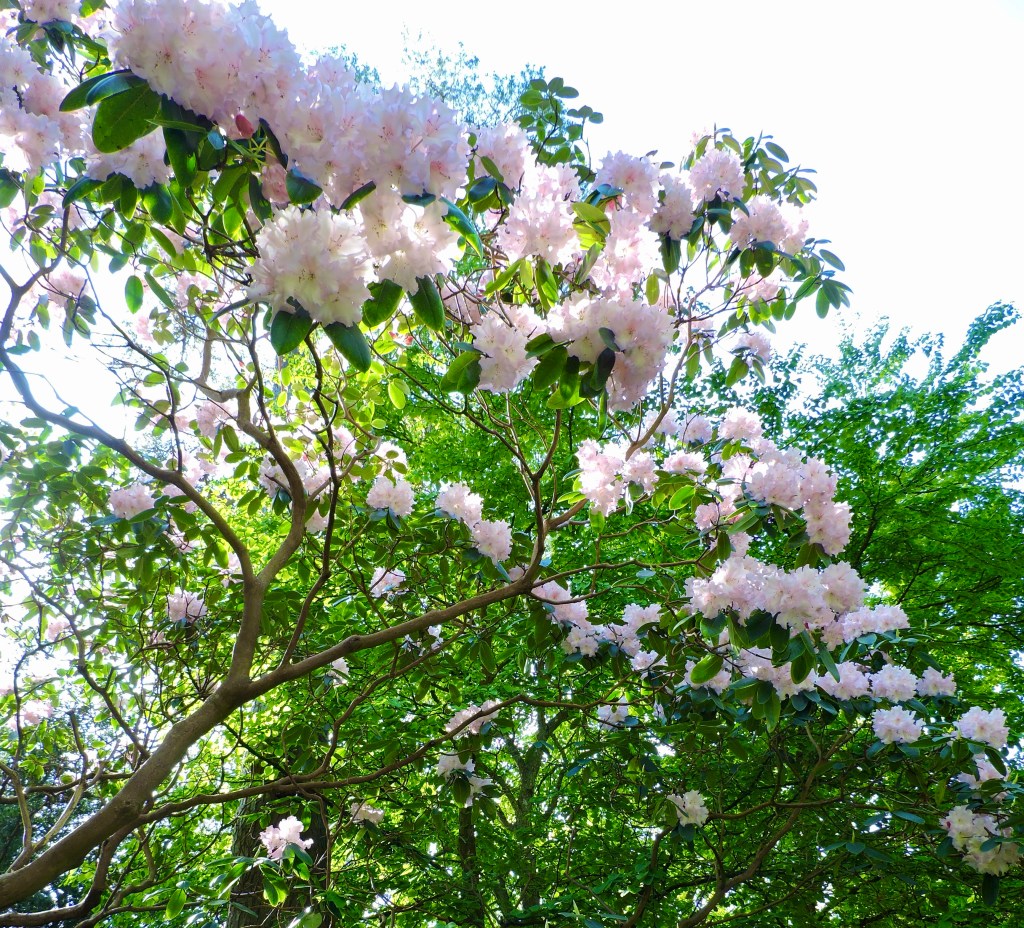
and heading uphill through the woods. As we pass the back of the hall we have a good view of the rhododendron and what are apparently ‘deer shelters’:

I did puzzle over the provision of shelters for deer – but I’m wondering now if these are shelters for people to hide in whilst they try to spot the deer – so they can shoot them of course! What do you think?
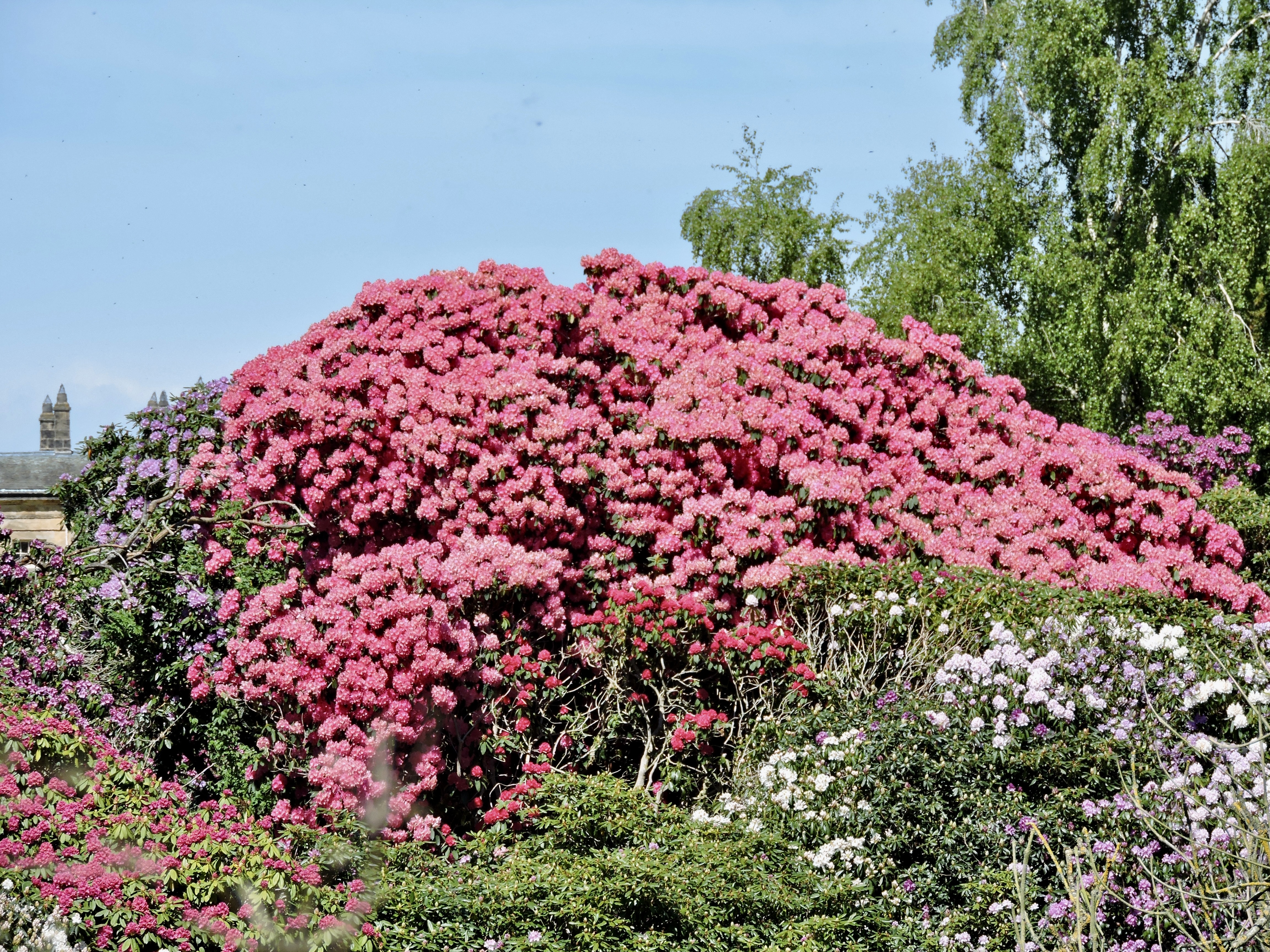
Rhododendron to the south of the hall

We were quite enjoying the ramble through the woods with it’s view of the lake until a flying insect launched itself at me and stung me in the eye! Oh my word, that hurt! No first aid kit of course although a plaster wouldn’t have been much help! Luckily after a sit down on a nearby bench and a few deep breaths we headed back to the Hall where we were hoping there would be some sort of first aid if it was needed. By the time we got back it was feeling better, but I’d had enough by then – time to find our way home.

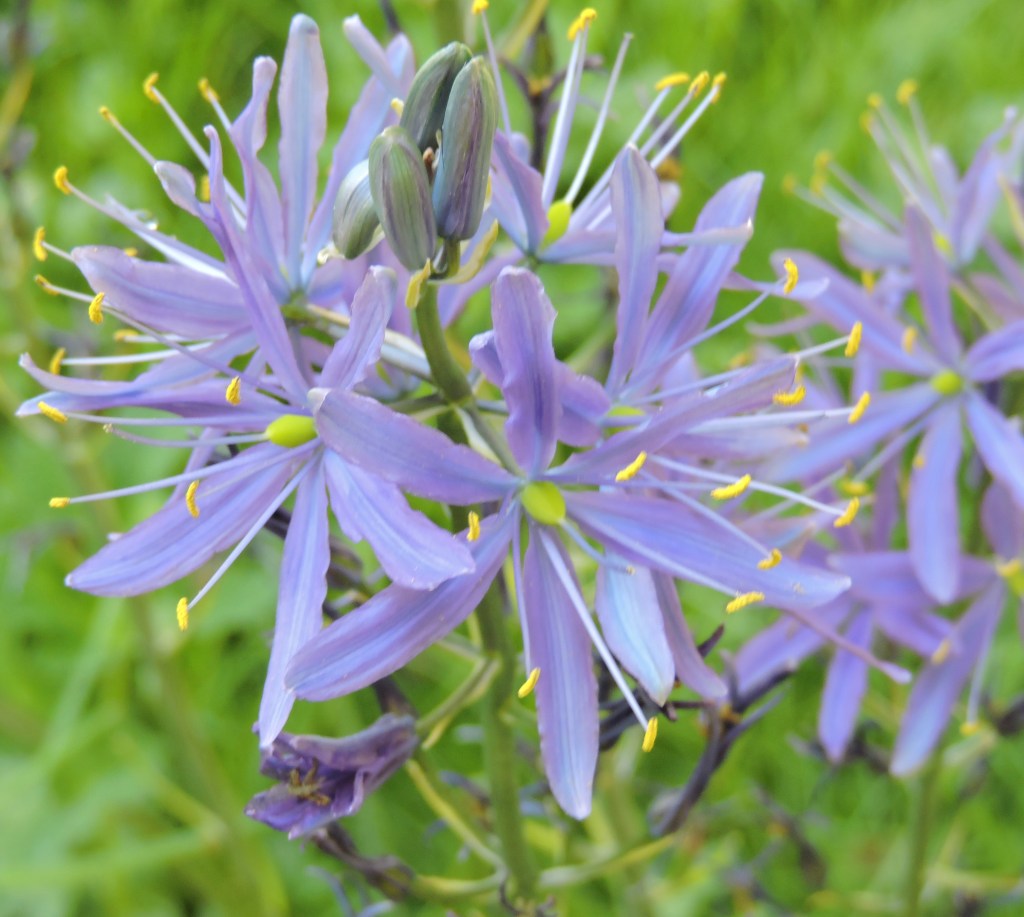
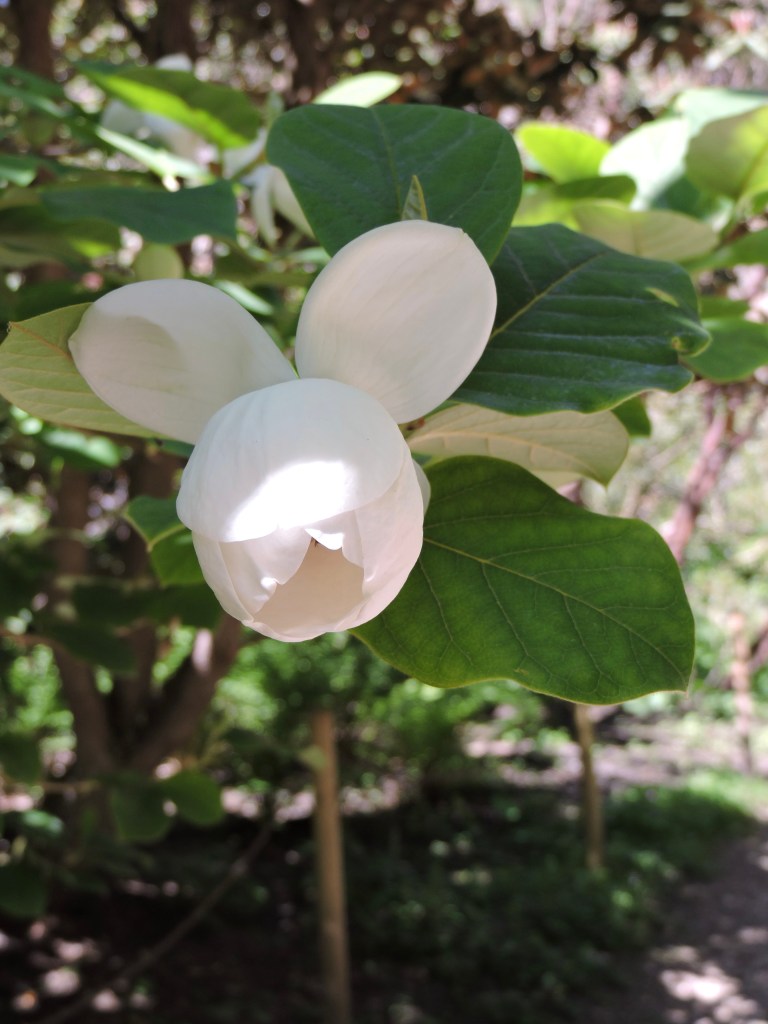
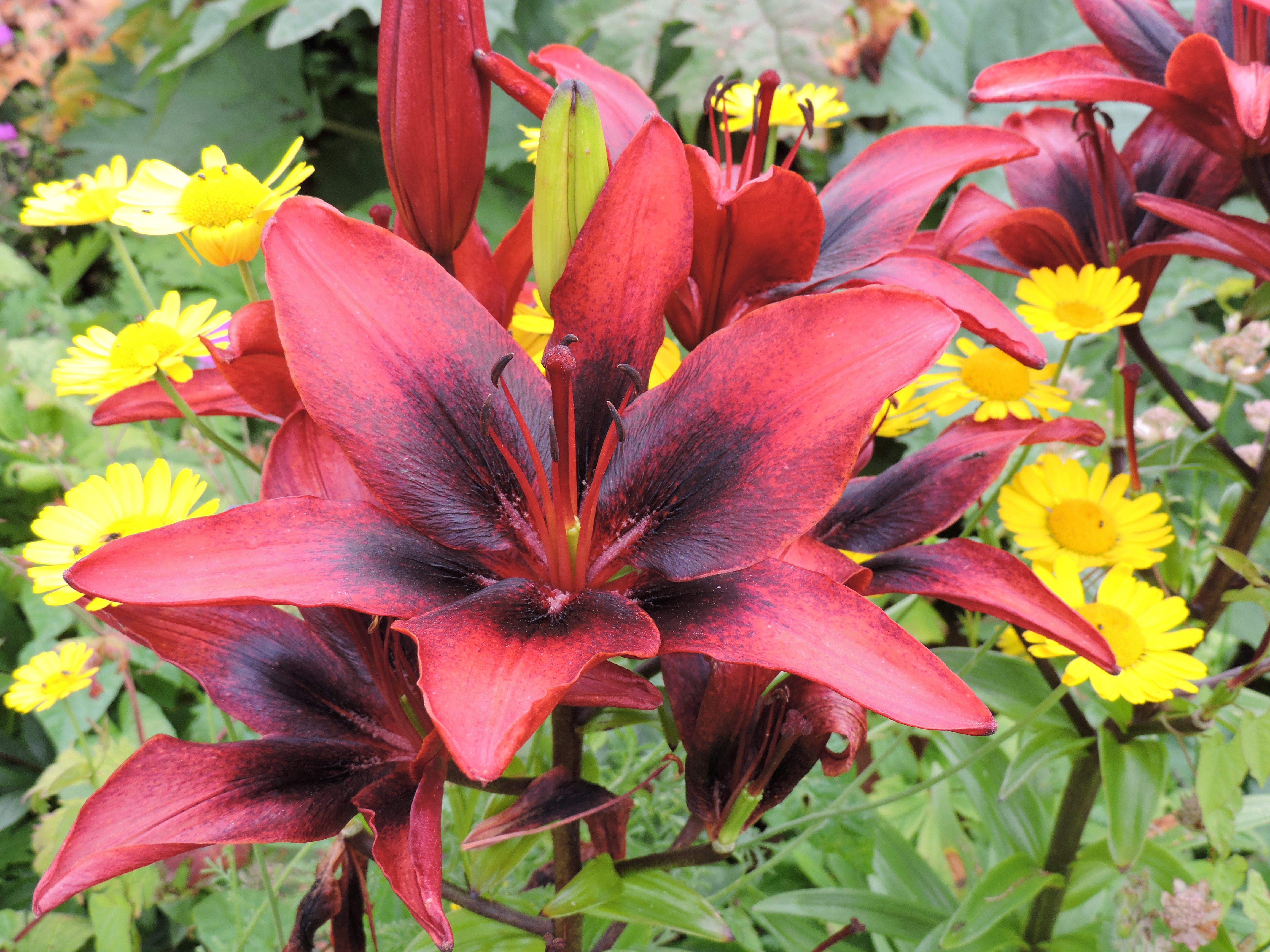
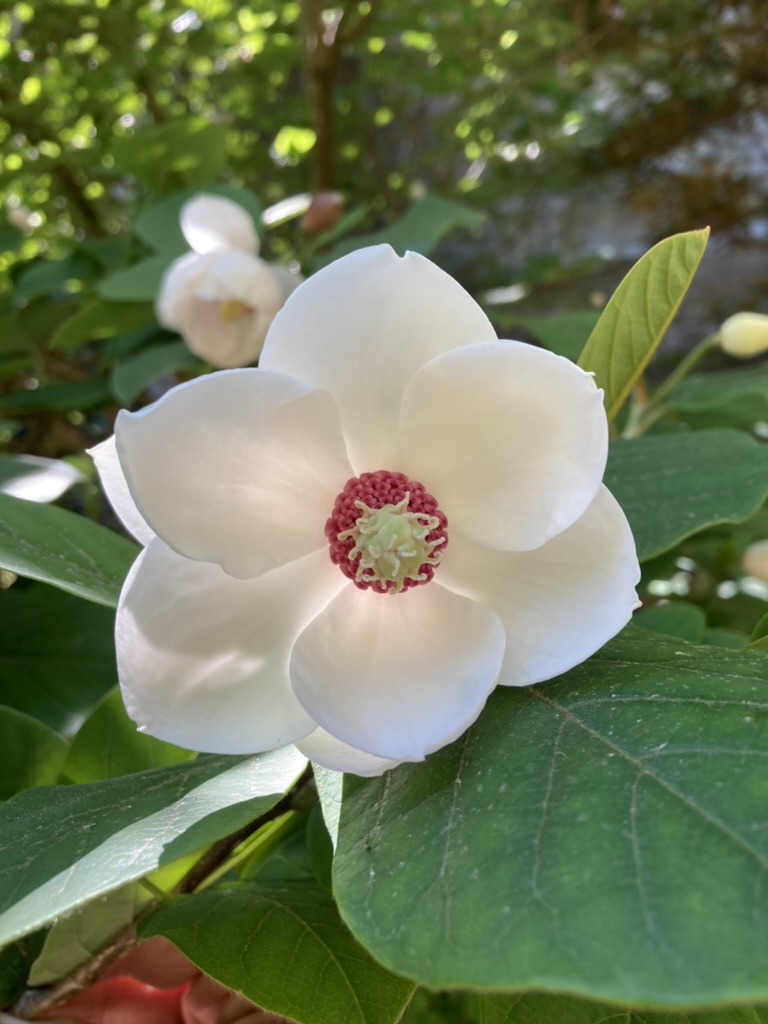
Here’s my favourite flower of the day – Calycanthus chinensis – a stunning tree covered in these beauties:
Howick Hall Gardens and Coast Path

From Howick Hall Gardens you can walk to the coast and along the English Coast Path before turning inland and back to the gardens. Including walking around the gardens we did around 6 miles on a beautiful day in late April.

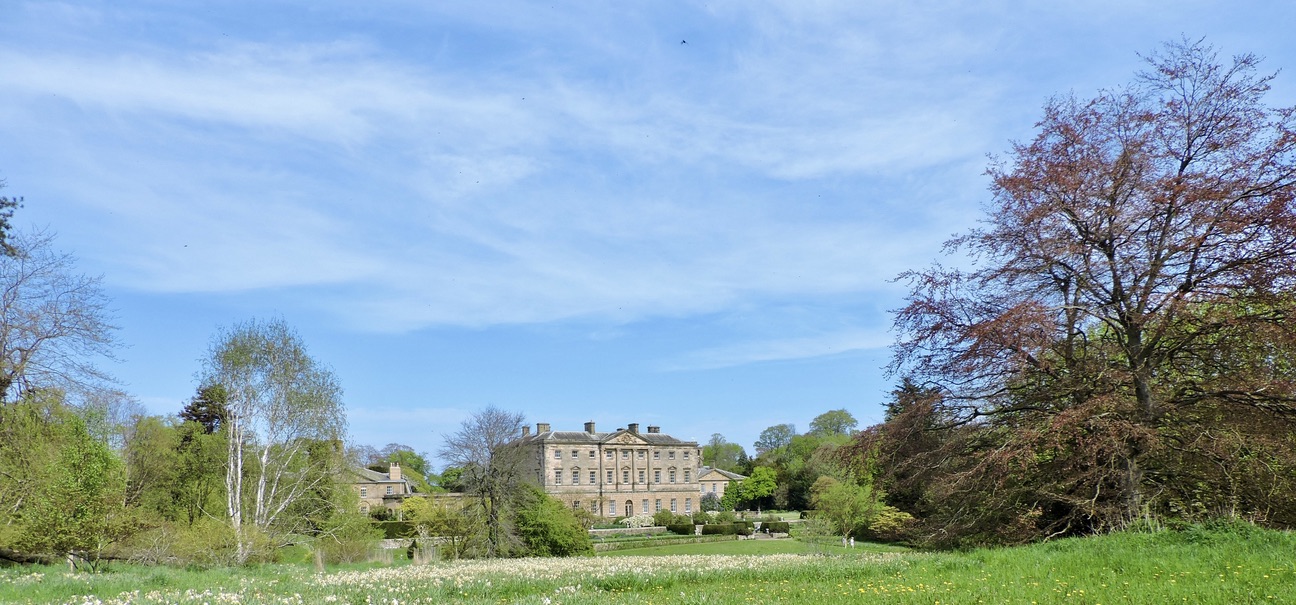
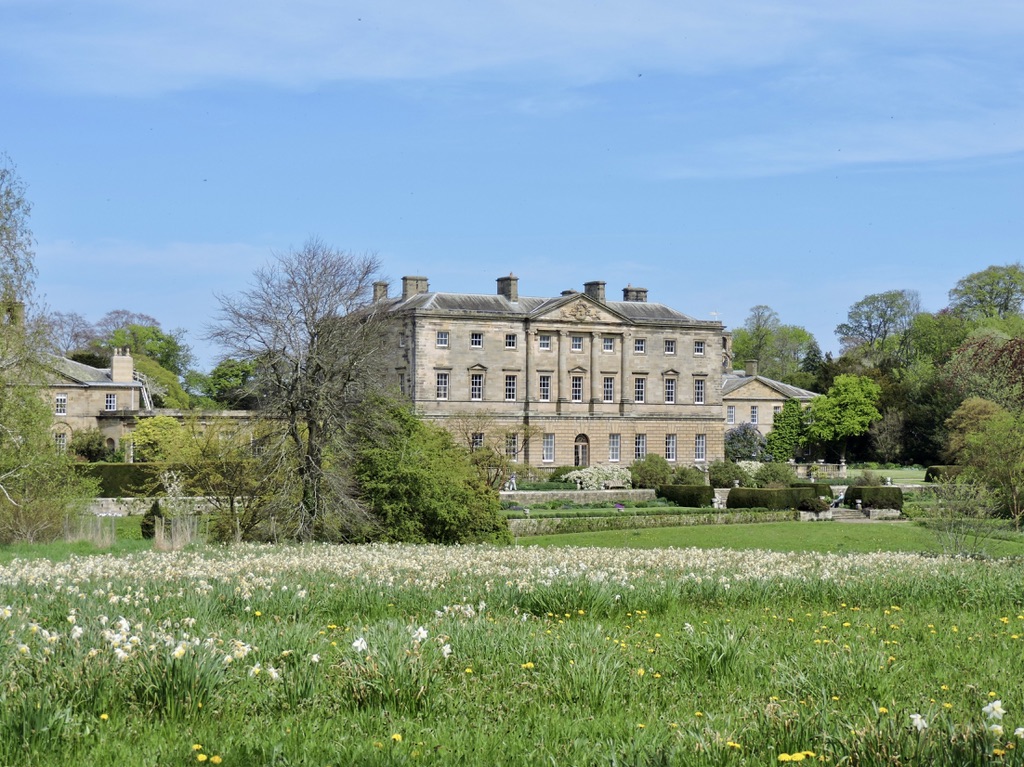
Howick Hall is near the Northumberland coast not far from Alnwick. [ https://howickhallgardens.com/ ] The house, built in 1782, is the birthplace of Earl Grey Tea! The tea was blended by a Chinese mandarin for the 2nd Earl Grey from the spring water at Howick using Bergamot and was so popular that Twinings marketed it for sale all over the world (apparently the Greys were not so business minded and didn’t register the trademark before Twinings got their hands on it, so they’ve never been able to claim any royalties!). Howick was the home of the Grey family from 1319 until the 5th Earl Grey left it to his daughter Lady Mary Howick in 1963. The present Lord and Lady Howick live in the West Wing. The house has a couple of rooms open to the public but mostly its worth visiting for the gardens and arboretum.

We ambled around the woodland gardens before heading for the church which sits within the grounds. The Church of St Micheal and All Angels is an early Victorian building which apparently used to have a Gothic marble canopy – which is like a stone carved decoration usually over the altar – but the 5th Earl disliked it so much that personally took a hammer and chisel to it!

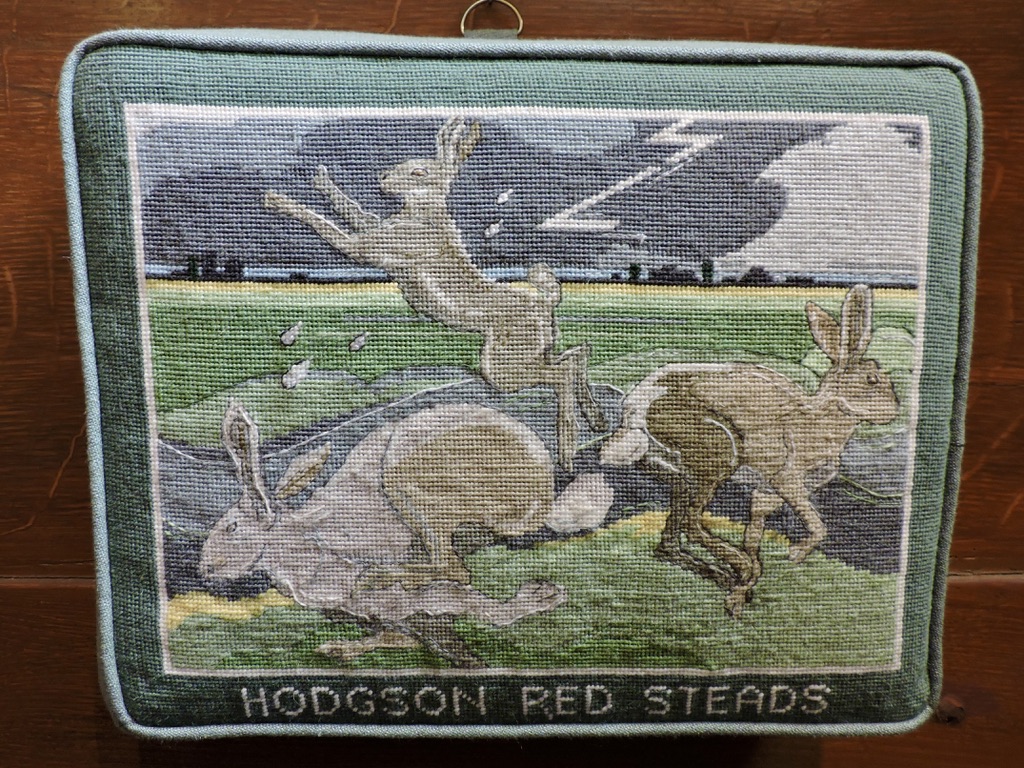
The most interesting part of the church as far as I’m concerned are the Howick Kneelers. A display of nearly 90 hand-stitched kneelers, all designed and produced by local people as part of a community project. Made in 2018-19 the kneelers depict local history, architecture, nature and landscapes and 150 local people were involved in this project. Impressive! Here are just two – they are all just as lovely.

From the church we headed back towards the house for a cuppa and then on to the bog garden which will be at its best in a couple of weeks once the irises are in flower

A little further along is a beautiful, sensory garden designed for the National Autistic Society. It’s been developed for those with autism but anyone can go in – its worth a visit to feel how peaceful it is and marvel over how creatively its been designed.

After walking on through meadows and fields of daffodils we had a quick sit-down to admire the view before heading towards the ‘The Long Walk’.

“The Long Walk” is a one and a half mile path through woodland following the Howick Burn to the sea. It does feel like it’s never going to end. And be warned – once you go through the turnstile about three quarters of the way along there is no going back! To return to the gardens (and your car) you have to take the coast path and follow a farm track to the main road which is about a 2 mile walk. We’ve done it before so were prepared with a picnic to eat once we reached at the beach.

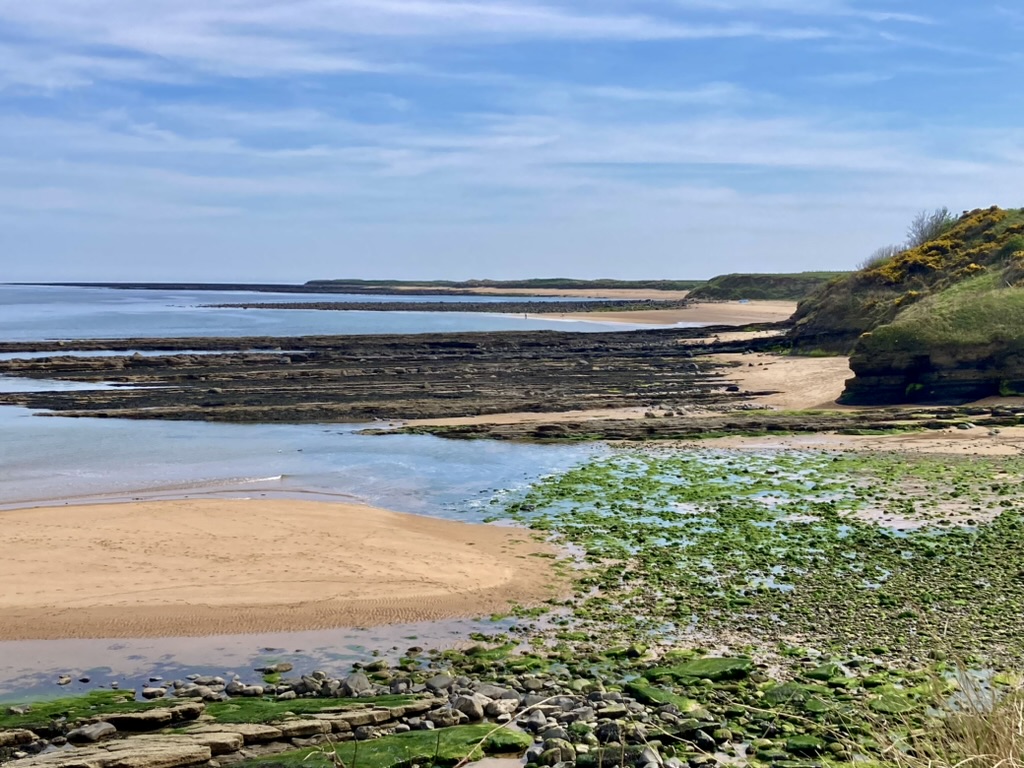
The tide is out!

We sit on the seawall and eat lunch watching some diving birds – maybe Tern – plunging face first into the water for their lunch. The coast path is lined with gorse with glimpses of a calm sea where we can see Eider Ducks floating.

It’s great to be back by the sea so we take our time along the coast path before turning inland for the long road walk back to the gardens where we treat ourselves to ice-cream!

More Rambling along the River Tweed

Hello

This ramble was more than week or so ago…..just playing catch up!

Ms L. has been walking the Southern Upland Way and camping along the route before coming to visit. We weren’t so adventurous but took a walk with her from the pretty village of St Boswells. The river was high following heavy rain the day before and the trees were beginning to change colour which is good, because Autumn is the most colourful season in The Borders. Continue reading

Crossing Borders…

Sunday 31st July 2016

Hello

Mr RR and I visited Paxton House last Sunday – an 18th century mansion on the River Tweed.  We didn’t go into the house this time, but had lunch in The Stables Tea Room and then wandered about the grounds before taking a short ramble along the river.

Here are some highlights!

Enjoy!

RR x


Paxton House to Chain Bridge Honey Farm via The Union Chain Bridge (and back again) – about 3 miles.

DSCN3507.JPG
Paxton House built between 1758 – 1763.

The house was designed by John Adam, a Scottish architect (1721 – 1792), for Patrick Home, a rich young man who considered his family home near Eyemouth on the north-east coast too cold and draughty for a man of his means.

The herbaceous borders were looking splendid:

My favourite flower was this beautiful day lily:

DSCN3511.JPG

Lots of bumblebees were enjoying the flowers too:

I’ve tried to identify this one but sadly the pictures aren’t good enough.  the Bumblebee Conservation Trust – http://www.bumblebeeconservaton.org – has clear pictures for identification but there are so many different species – even lots of different ones with white tails like these, that it’s impossible to say.

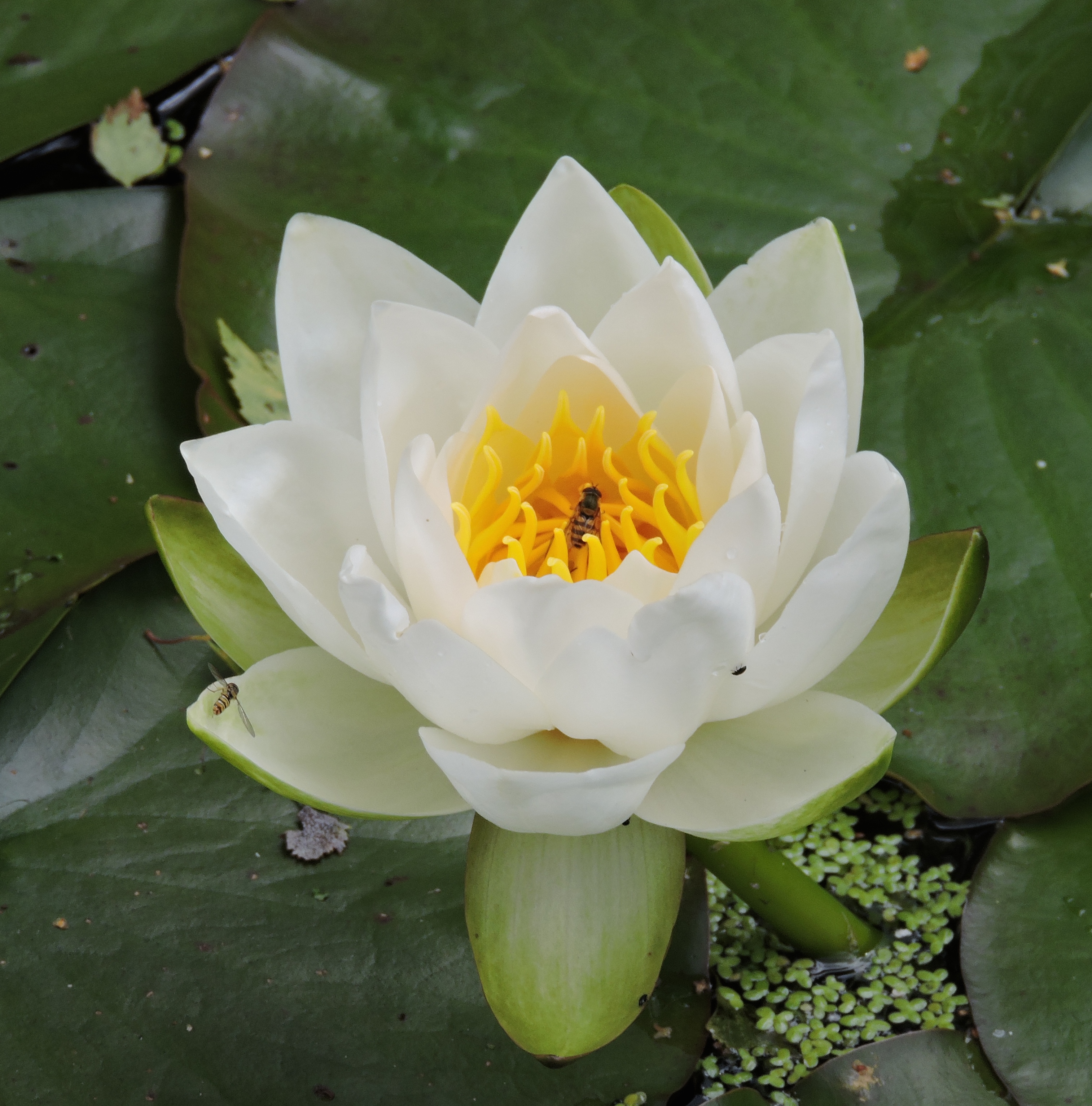
We walked on beside the croquet lawn and putting green to a small pond filled with waterlilies:

DSCN3520.JPG

and then down over the hill through the woods to the River Tweed.

DSCN3529.JPG

The path took us along to a bird hide where we stopped to see what we could spot.  An information board tells us that, because we’re not far from the sea here, the river is tidal and the mixture of fresh and salt-water means that often sea birds are seen and even seals  on occasion.  We see some ducks which are too far away to identify but otherwise nothing of interest, so we follow the path on through the woods and over a stile until we’re right next to the river.

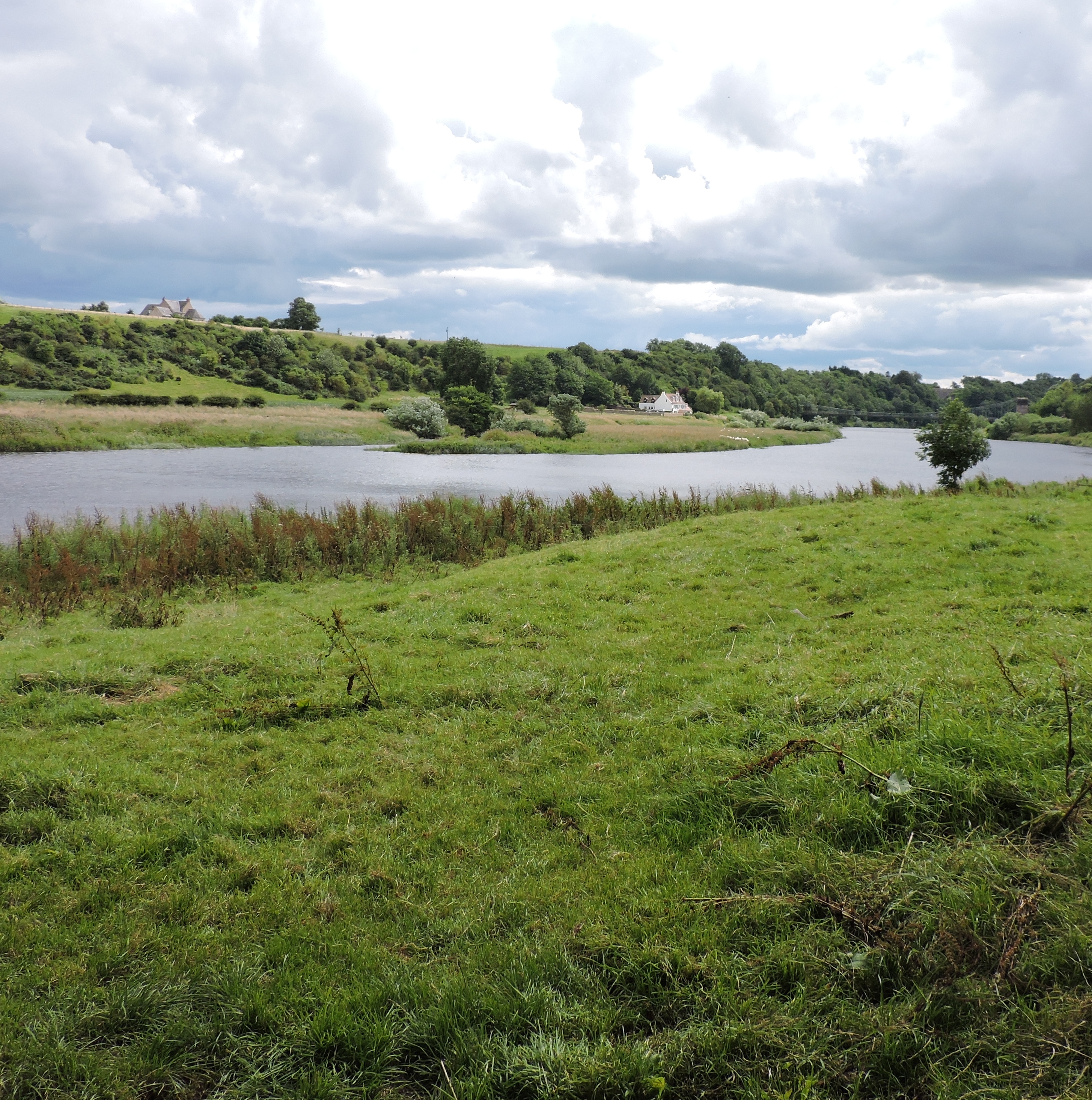
Right in the middle of the River Tweed at this point is the border between Scotland and England – so…..we’re in Scotland as we ramble along….but those sheep in the picture above are in England; they are obviously keen to cross over though as they keep edging towards the water and staring longingly across at us!  Clever sheep!

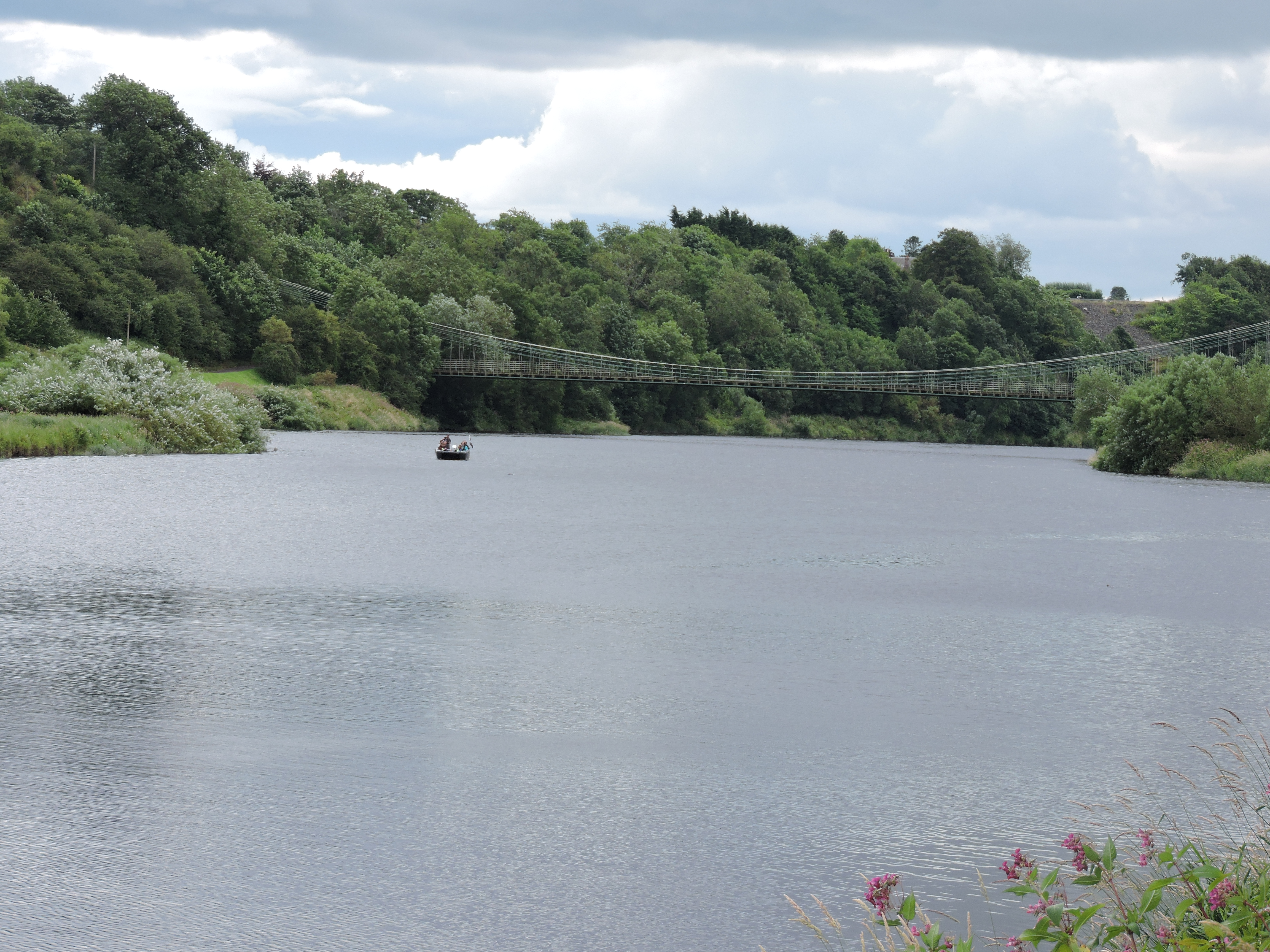
About half a mile downstream we can see the Union Chain Bridge in the distance:DSCN3532

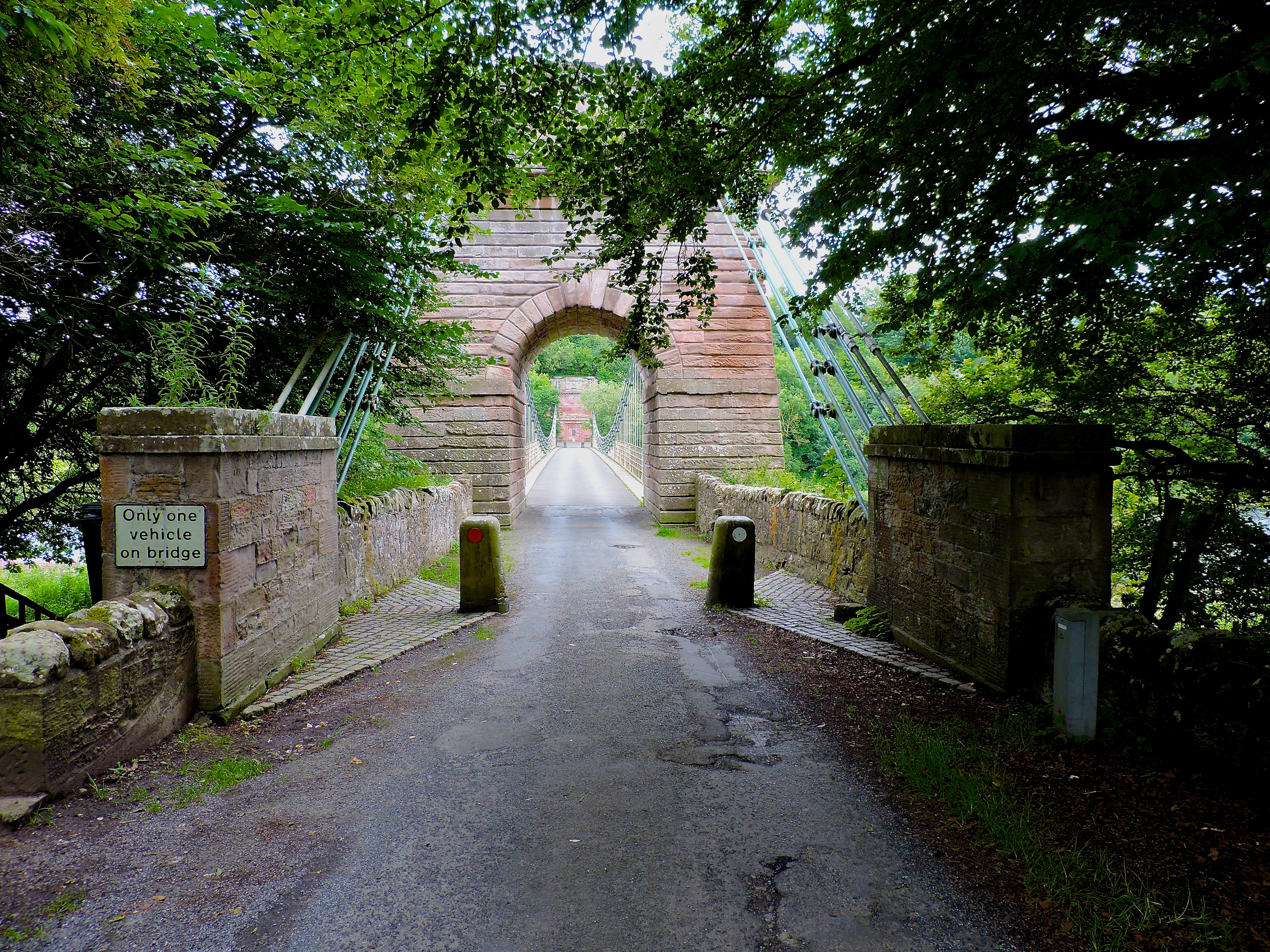
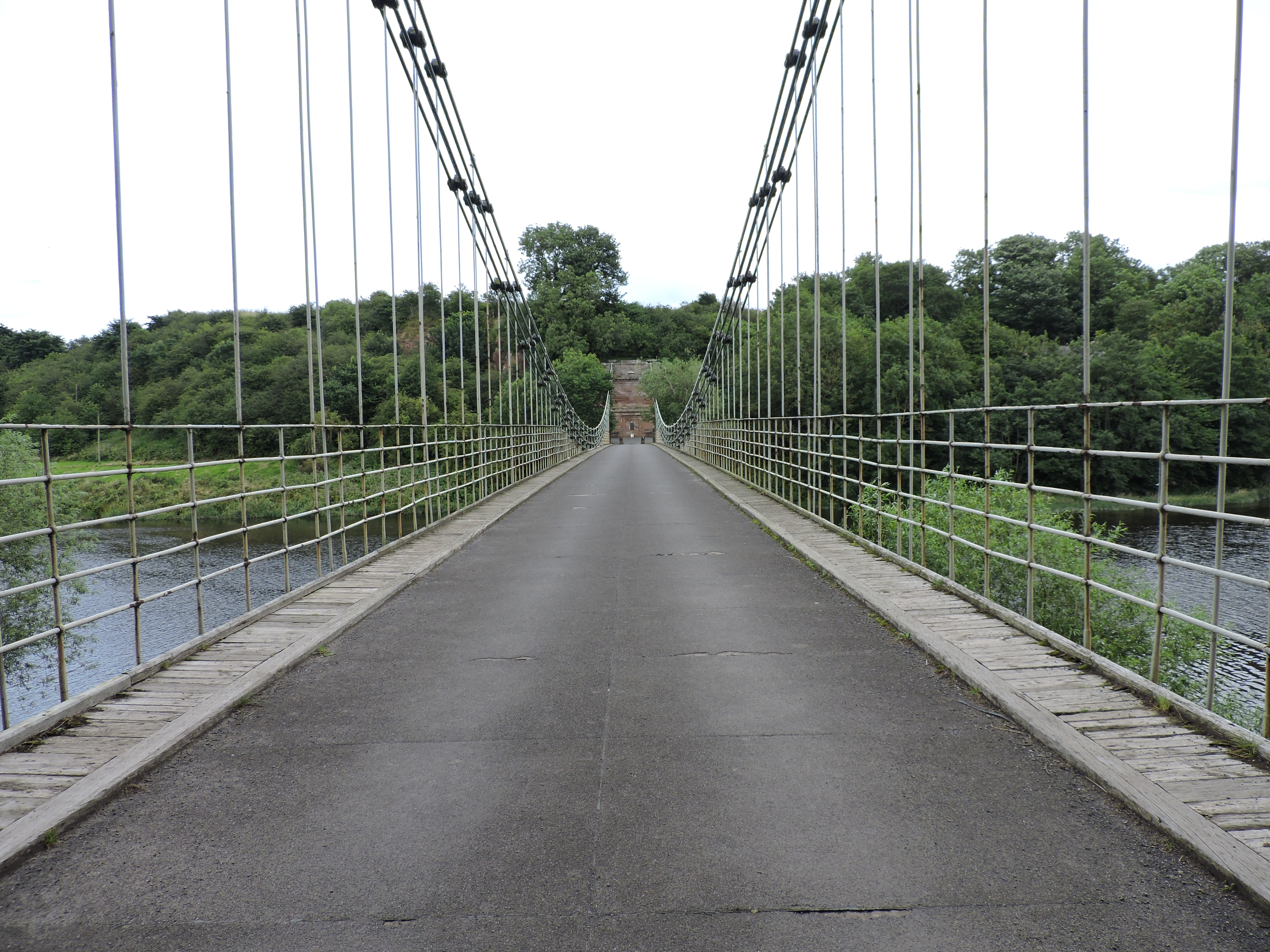
This is the oldest surviving iron suspension bridge in Europe!  It was the very first one to be designed to take vehicles although now it’s not strong enough to take more than one car at a time:DSCN3541.JPG

By the late 19th century it was becoming imperative to have a safe crossing to take coal and lime from Northumberland to Berwickshire for export. Before the bridge was built the only way to cross the Tweed between England and Scotland at this point was at the New Water Ford which could be perilous in flood water and dangerous even at high tide. So along comes Captain Samuel Brown RN who, whilst still in the navy, had pioneered the design.  It took less than a year to build and was opened on 26th July 1820 with a demonstration of its strength by Captain Brown who drove across in a curricle followed by 12 loaded carts weighing 20 tons, and 600 spectators!  The event was witnessed, not only by the Scottish engineer Robert Stevenson, but also by the 18 year old Isambard Kingdom Brunel who, of course, went on to build the infamous Clifton Suspension Bridge across the Avon Gorge in Bristol.DSCN3542.JPG

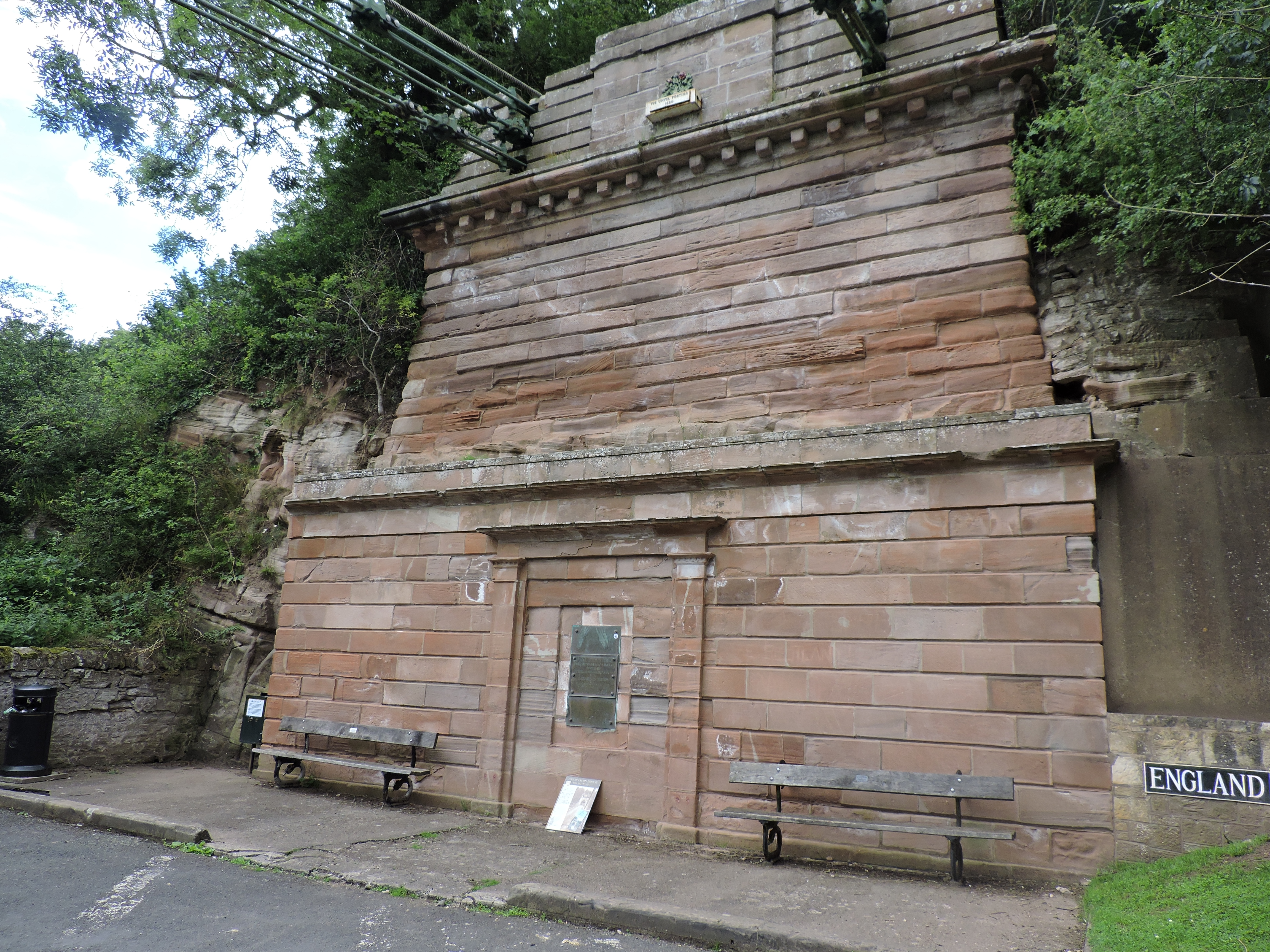
At the far end you can see what remains of the Toll Keeper’s Cottage built into the red sandstone cliffs on the English side.  The actual cottage was demolished in 1955 but in the early 1900s a family of five lived in its two rooms.

DSCN3553.JPG
The site of the Roxburgh family home

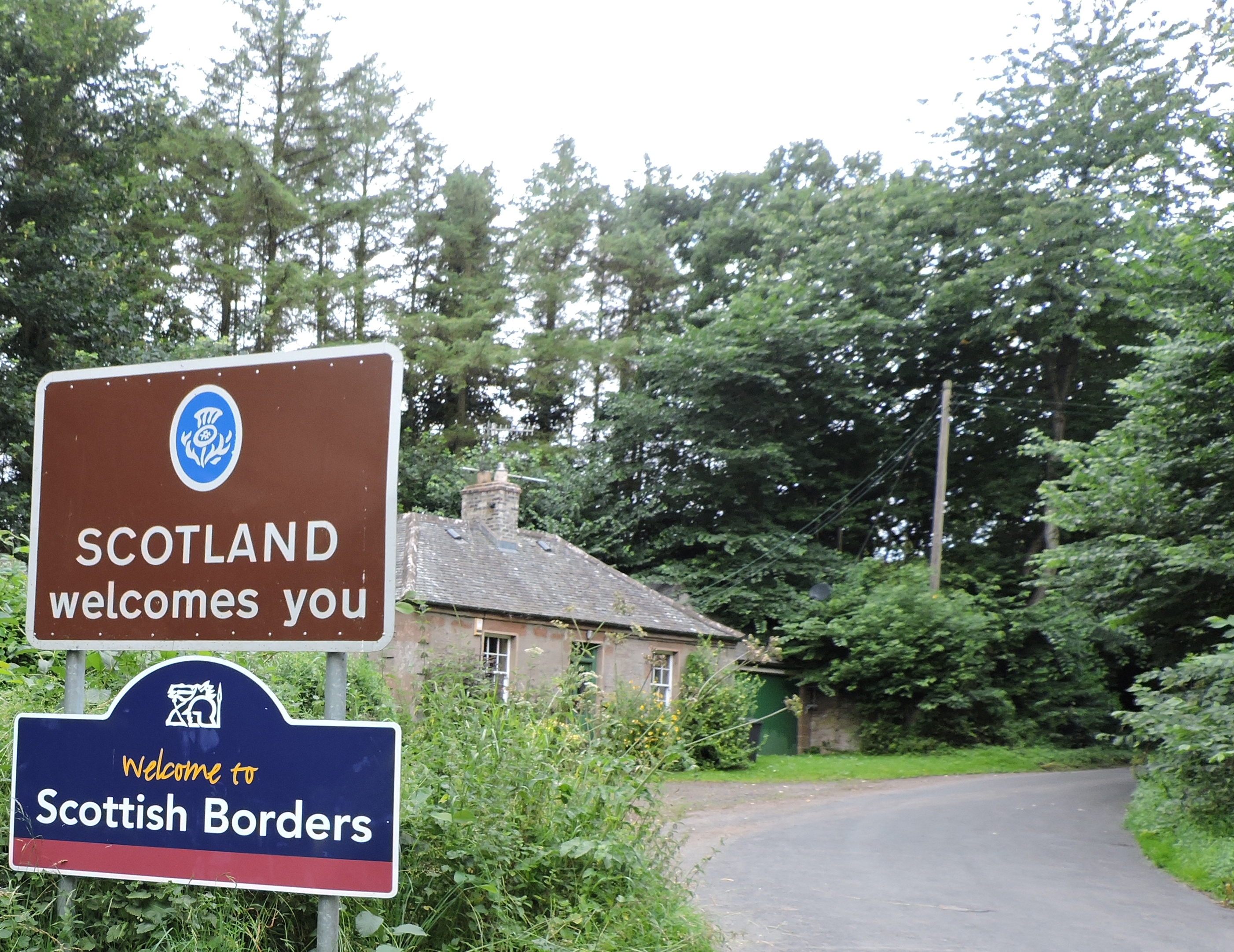
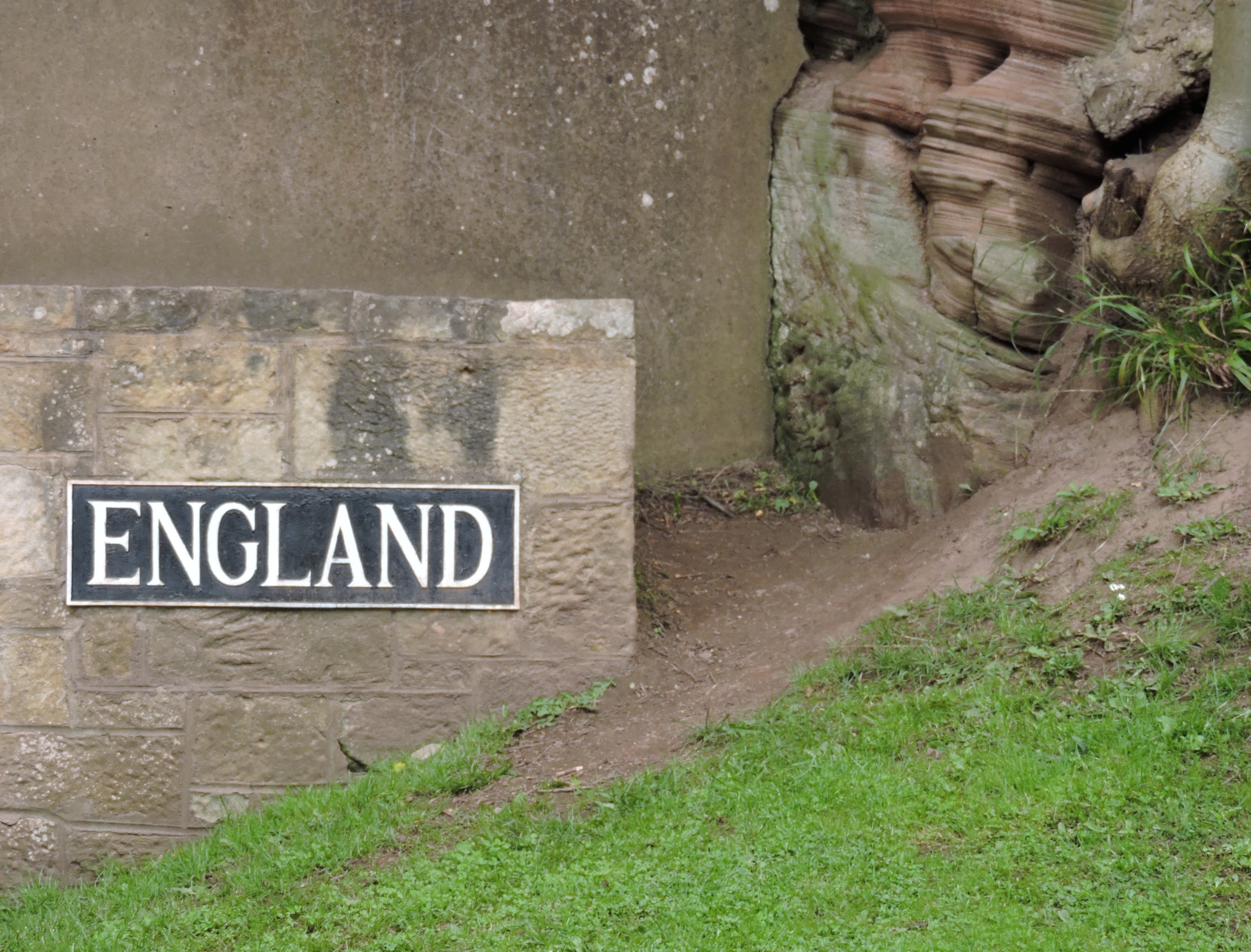
We reach the crossing point and spend some time looking over the border and watching some German motorcyclists taking pictures of themselves beside the border signs.  I decide I should do that too…..although Mr RR politely declines to have his picture taken in either Scotland or England!

DSCN3535.JPG

DSCN3538.JPG
Here we are in Scotland……

DSCN3546.JPG
And now here we are in England…..

DSCN3548.JPG
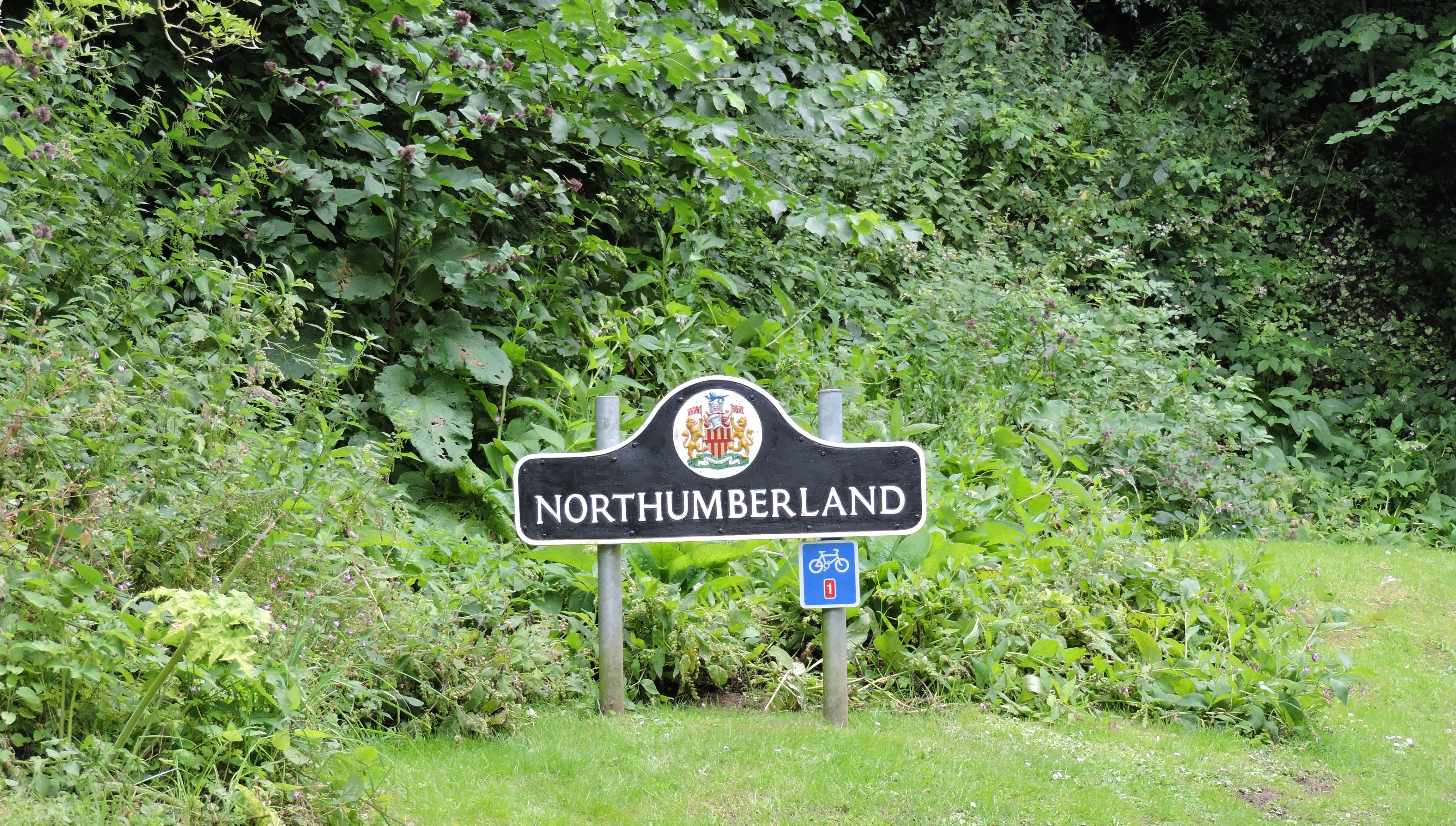
Northumberland to be exact!

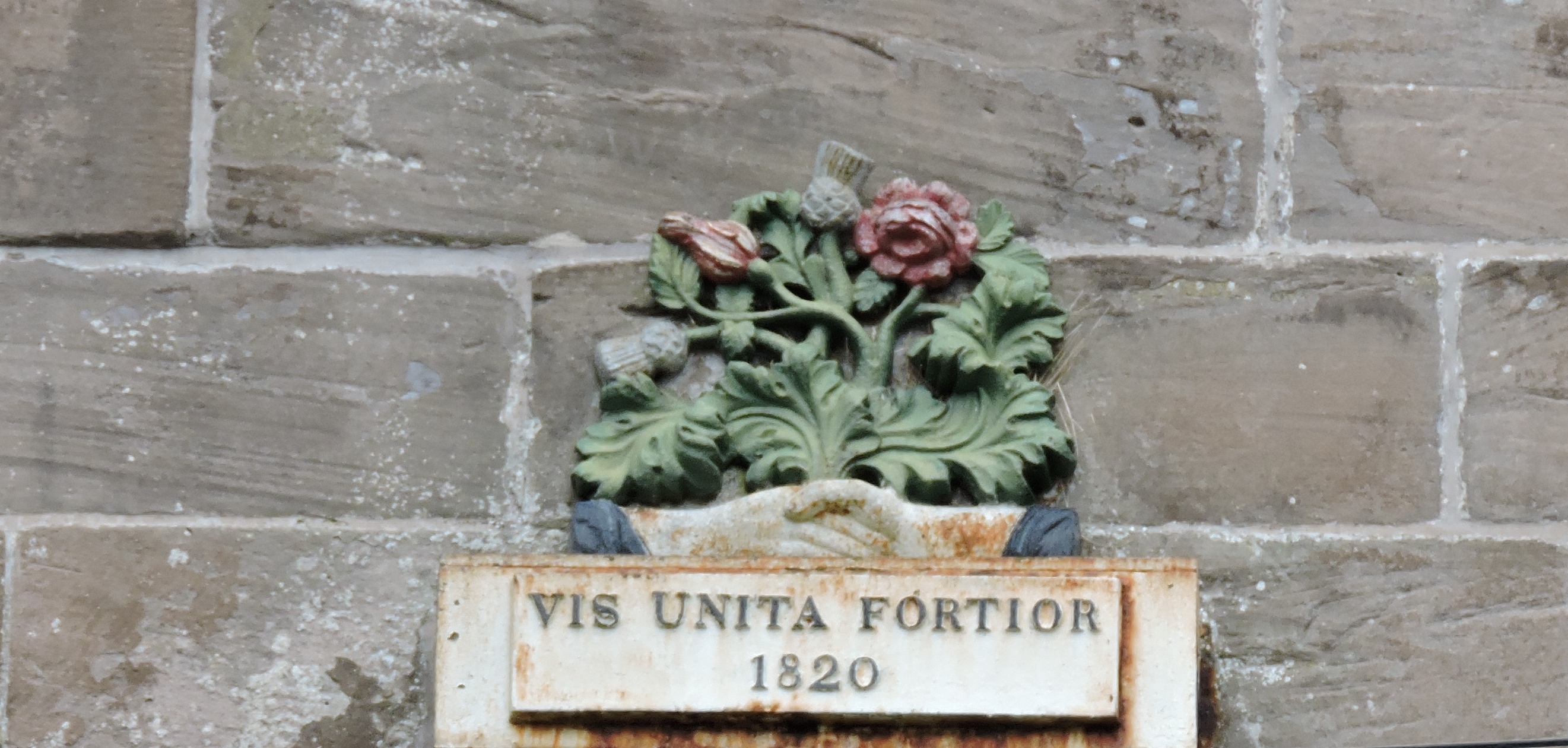
High above us, on both bridge towers is a a plaque in the form of an intertwined rose and thistle bearing the legend:

DSCN3545.JPG
Vis Unita Fortior………United Strength is Stronger.  Very apt in 2016 don’t you think?  Or maybe not….. depending on your point of view!

On the English side there is information relating to the fact that this icon of British civil engineering is nearly 200 years old now and much loved by local communities on both sides of the border.  Fundraising is underway to complete a major programme of restoration by 2020.  There’s a little honesty box for some donations which we add to, helping ourselves to an information leaflet which tells us that just 200 metres uphill from the bridge on the English side is the Chain Bridge Honey Farm with Honey Museum Visitor Centre and a tea shop in a double decker bus!  Well…..how lucky is that!

Off we trot up the hill.  Chain Bridge Honey Farm ( http://www.chainbridgehoney.com )  was started by beekeeping advisor William Selby Robson in 1948 and subsequently expanded into a successful commercial enterprise by his son Willie on Williams’ death in 1962.  The bees came from local retiring bee keepers and were kept in hives made from a local timber known as Thuja – which is very light and resistant to decay.  There are now nearly 2000 hives on the farm……although we couldn’t see a single one, even from the upper deck of the double decker bus!

The Honey Farm has the most amazing little museum and visitor centre, absolutely full of intricately researched information all about bees and honey and bee hives as well as a whole room devoted to information about the building of suspension bridges.  Much of it is hand-written and illustrated and all of it is fascinating.  I was a bit slow though – I was so looking forward to tea on a double decker bus that I didn’t even think about looking up those bees we saw earlier.  We bought some honey (well you have to really don’t you) and wandered off to find the bus.

Will you just look at that!  This bus originally ran on the Bristol to Bath route and the upstairs is beautifully converted.  We had a lovely tea of scones and jam and honey cake.

All too soon we have to leave the farm, head back downhill and recross the border into Bonnie Scotland.  We make our way back along the footpath towards Paxton House, passing our original trail uphill and carrying on along the river a little way before turning left and up a steep hill, through the woods, back to the house.


IMG_0934

Artwork for Ricketyrambler by Andrew Major

andrewmajorart.co.uk

The Hirsel Country Park

Hello Everyone!

Happy New Year!!

For those who don’t already know, the best news is that Mr RR and I have become Nanna and Papa RR whilst we’ve been away!  A gorgeous little boy, born between Christmas and New Year and doing very well on his journey to becoming the Littlest RR.

Littlest RR has, of course, become my favourite subject of conversation but…..on to the walking – of which there has been very little in the last couple of months.  Here I am though, determined to get fit (again) and starting over with the rambles.  I’m not promising any great milage this year – there’s a lot of work to do on our new house and any walking will have to be fitted in around that – but hopefully I’ll be able to inspire you with a few ramblings around The Scottish Borders and Northumberland and later in the year we might be able to go further afield and see more of Scotland. Continue reading

The Lost Gardens of Heligan and Penrose Estate

Saturday, 26th September 2015

Hello

Things are warming up around here in more ways than one!  The sun has decided to shine and for the last couple of days its been just like Summer.  Also, we’re hoping to move to Scotland before the end of October so it’s going to get a little too busy for walking and blogging.

Sadly I have to concede defeat and admit that I’m not going to make it to 1000 miles this year.

Never mind, there’s a whole new world of walking out there just waiting for me and Mr RR!  As soon as we’ve got ourselves settled in, I daresay we’ll be off on some lovely new walkabouts.

Meanwhile, it’s going to get a little quiet on the blog…..but here are a few miles to keep you going until I get back to it all again.

See you in Scotland!

The  (Notso) Wee Ricketyrambler


The Lost Gardens of Heligan (3 miles) and The Penrose Estate (6 miles)

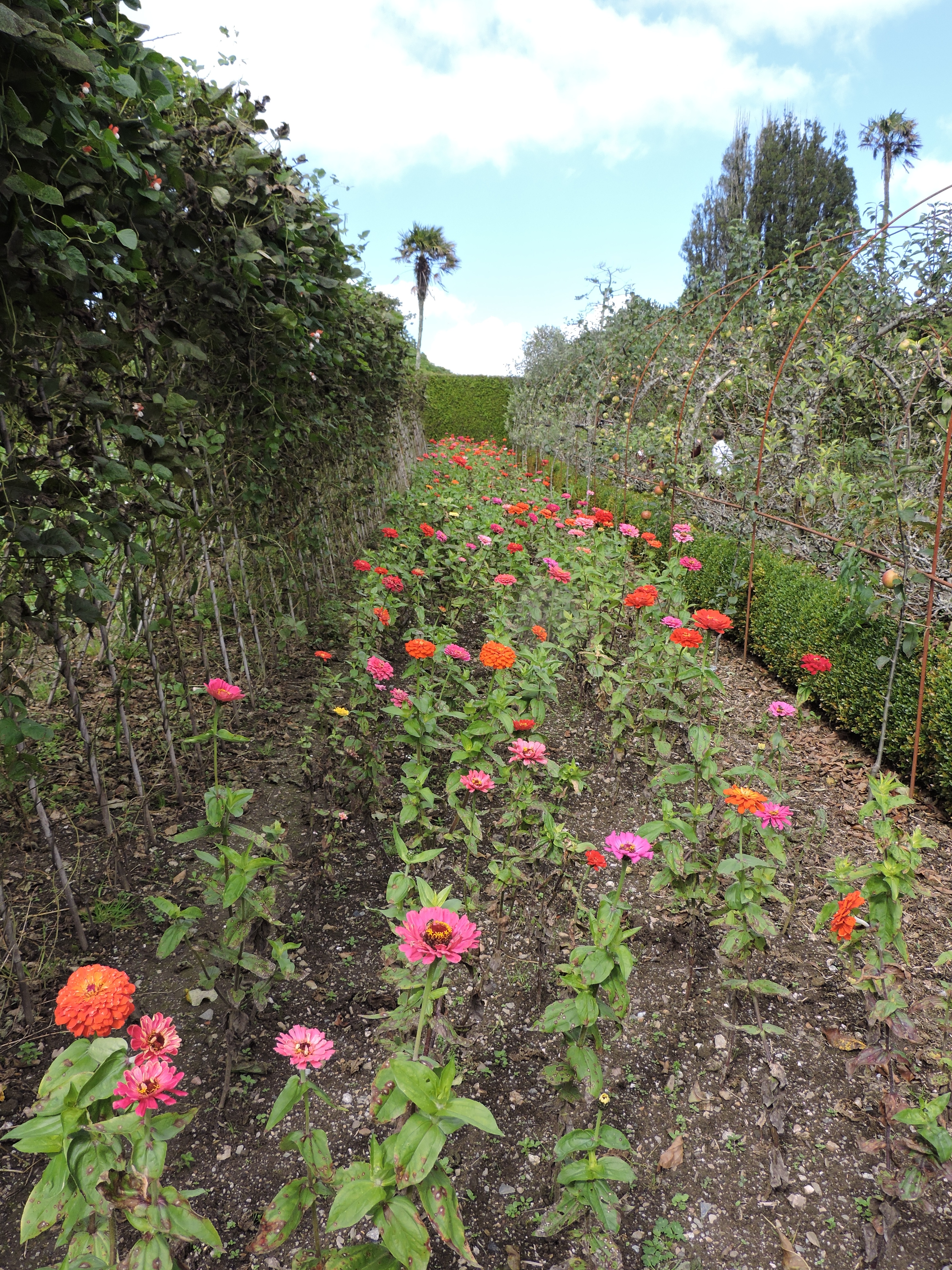
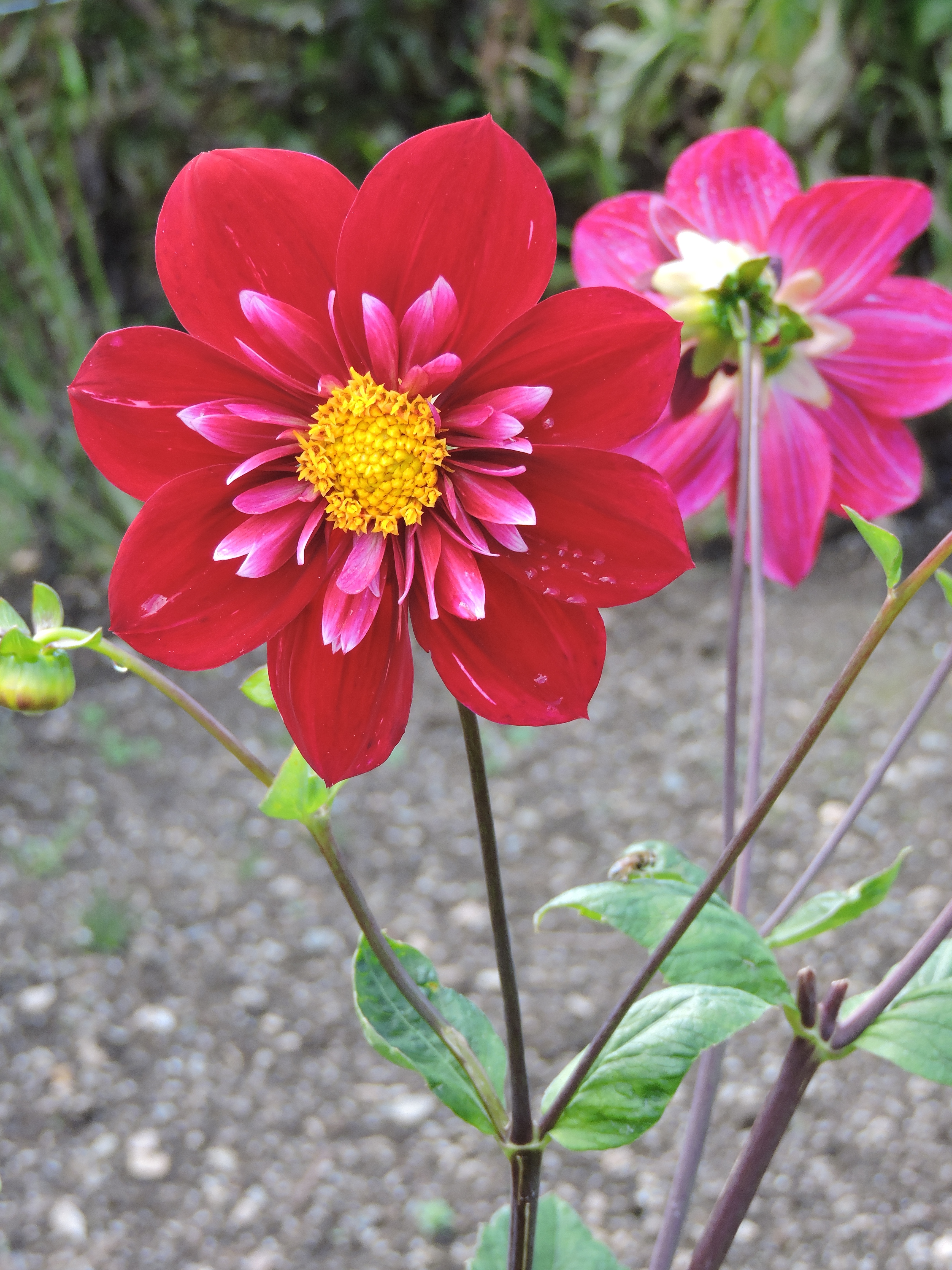
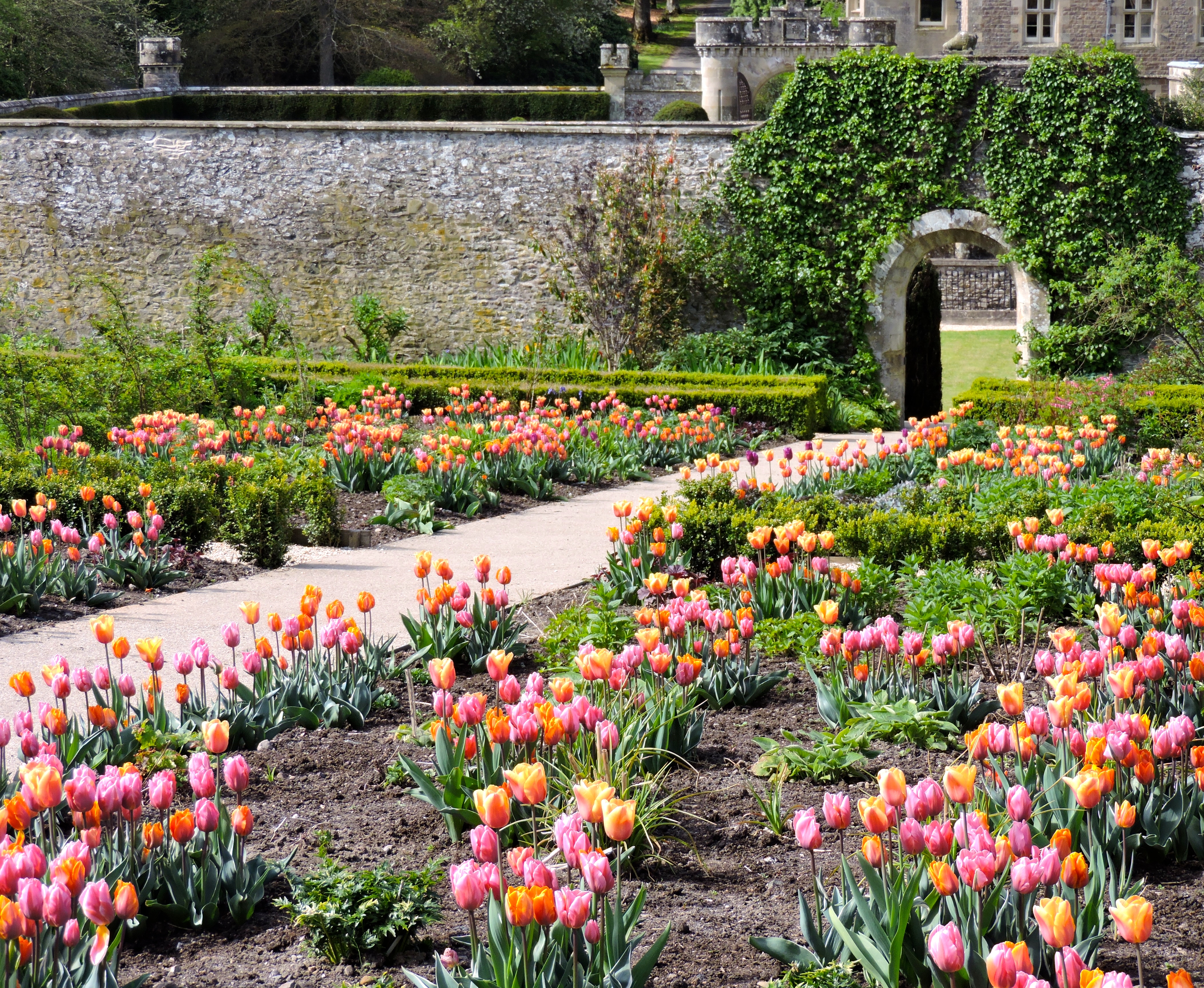
We took ourselves up to the Lost Gardens last week and had a wander amongst the vegetable gardens and the dahlias:
DSCN2185 DSCN2187

I love the Italianate Garden:

DSCN2198

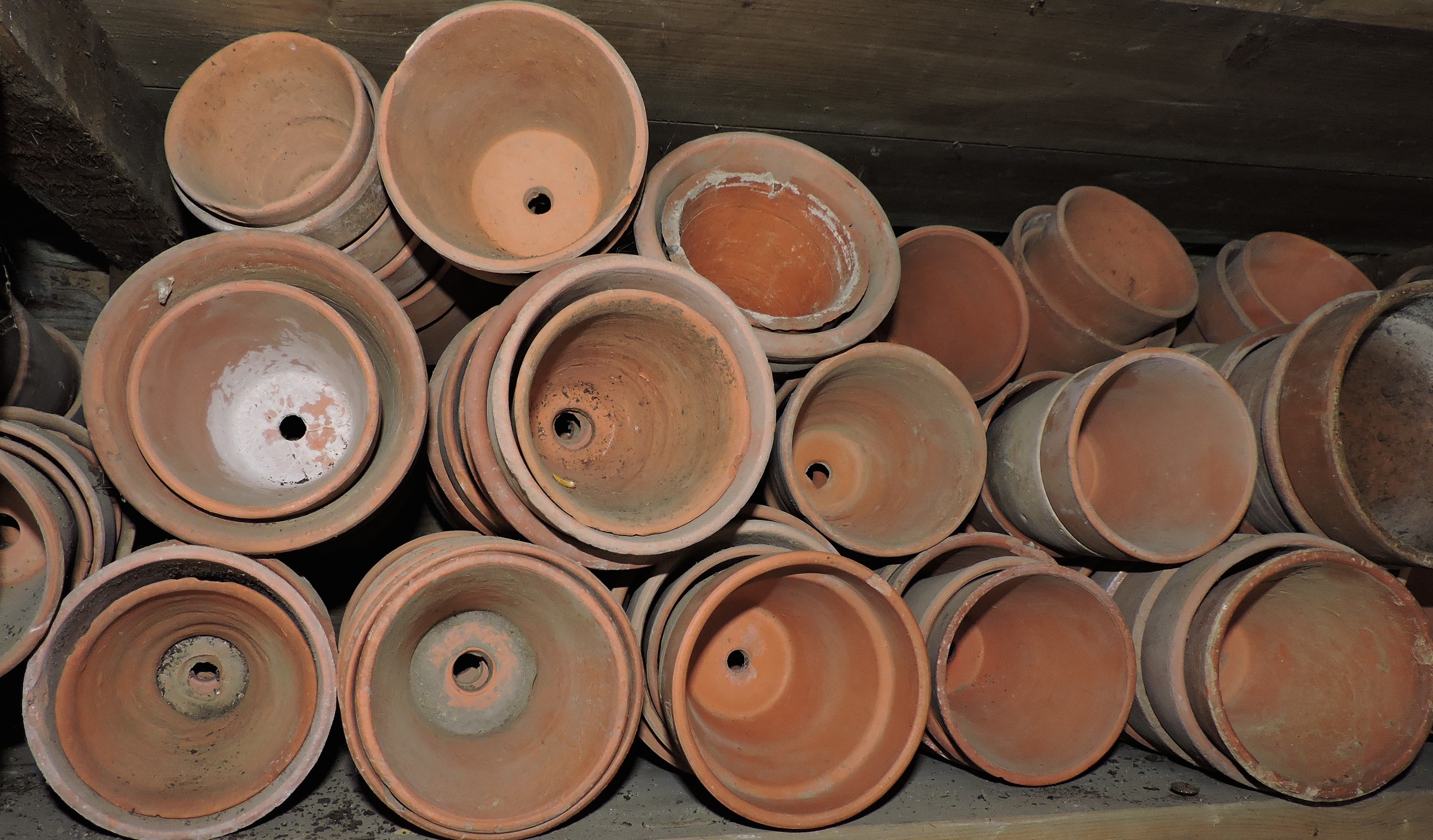
but my favourite thing is the Potting Shed!DSCN2197

I want one!

DSCN2195

Beautiful fungi:

DSCN2210

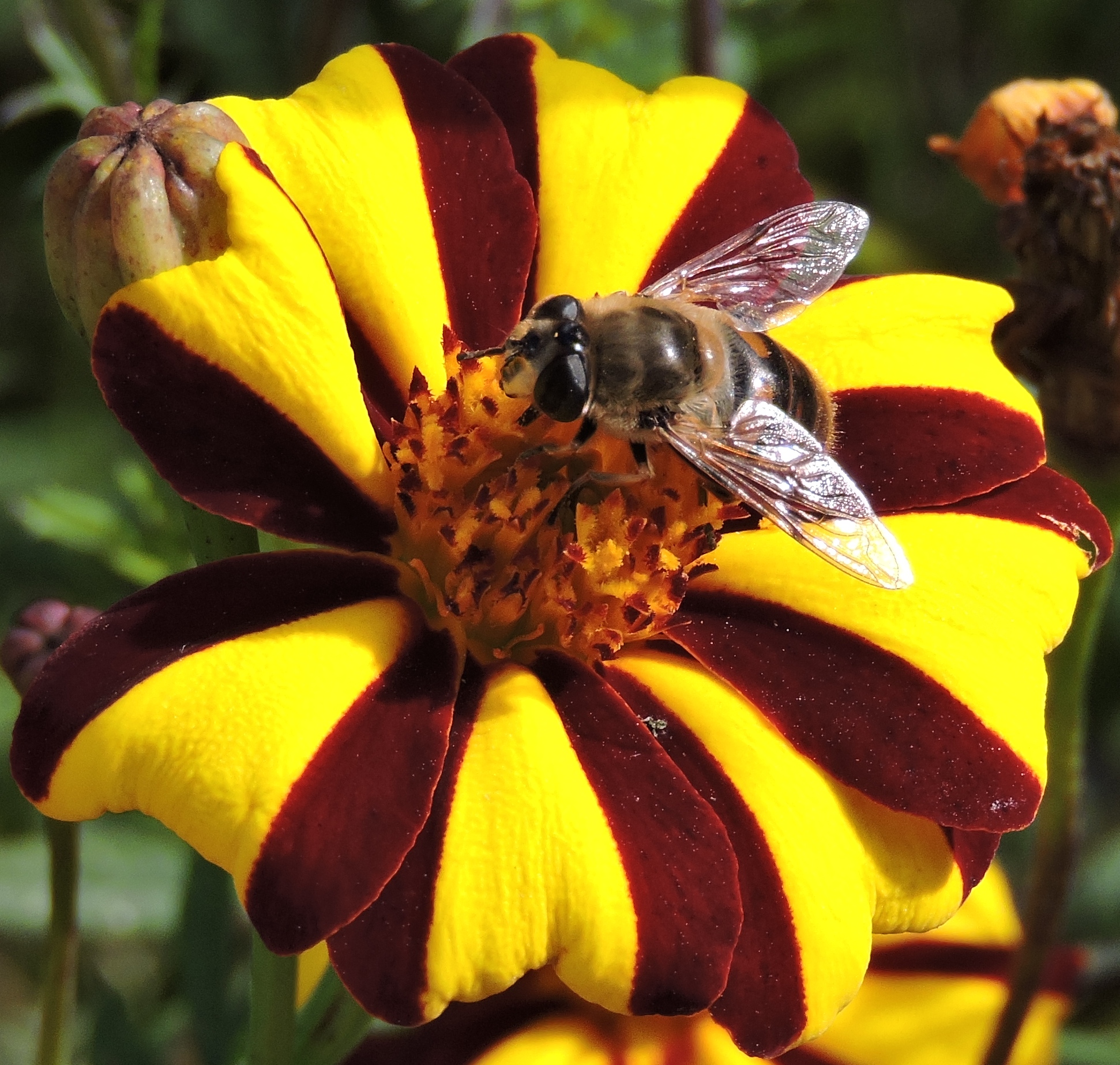
Marvellous marigolds:

DSCN2209

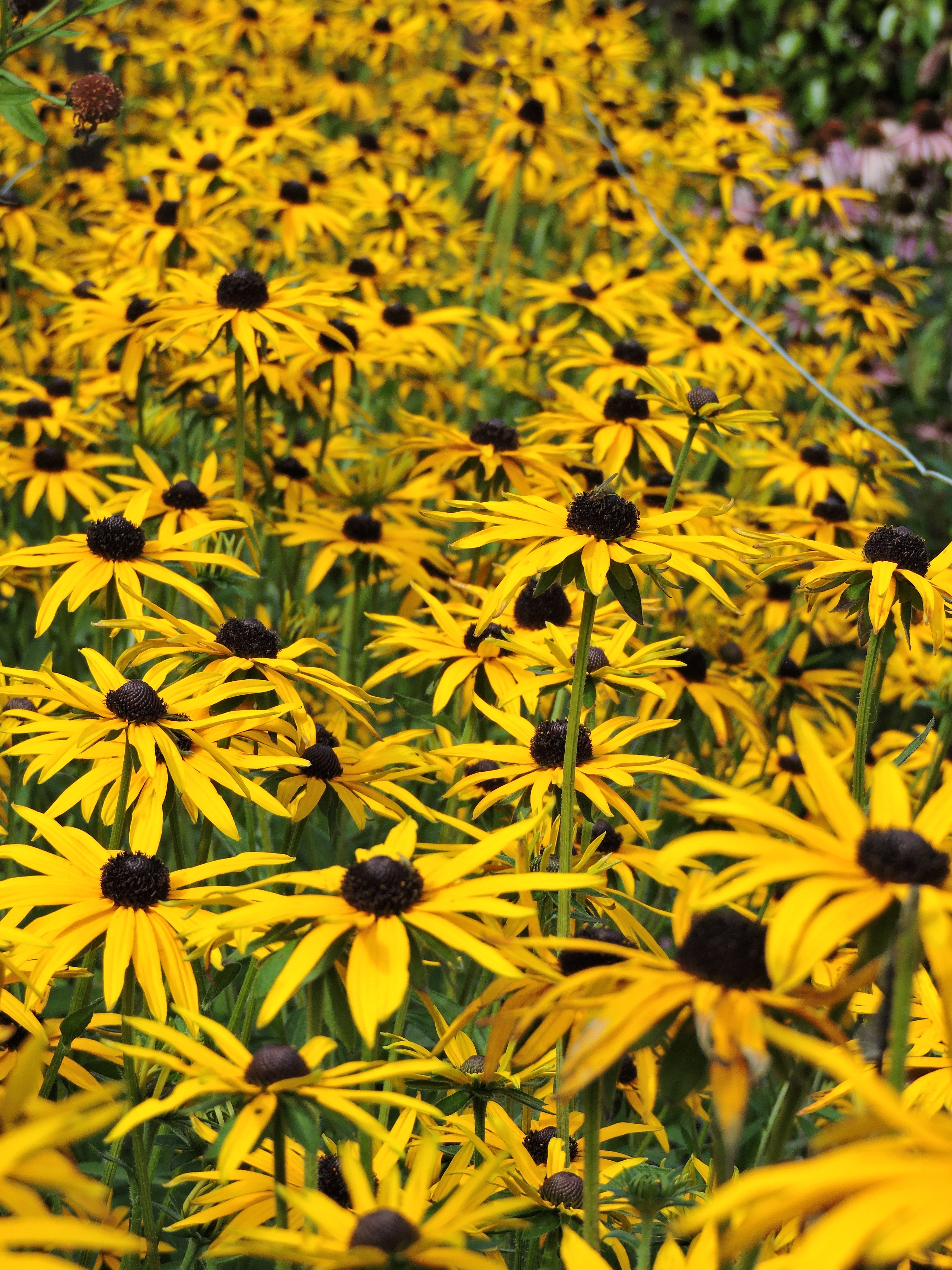
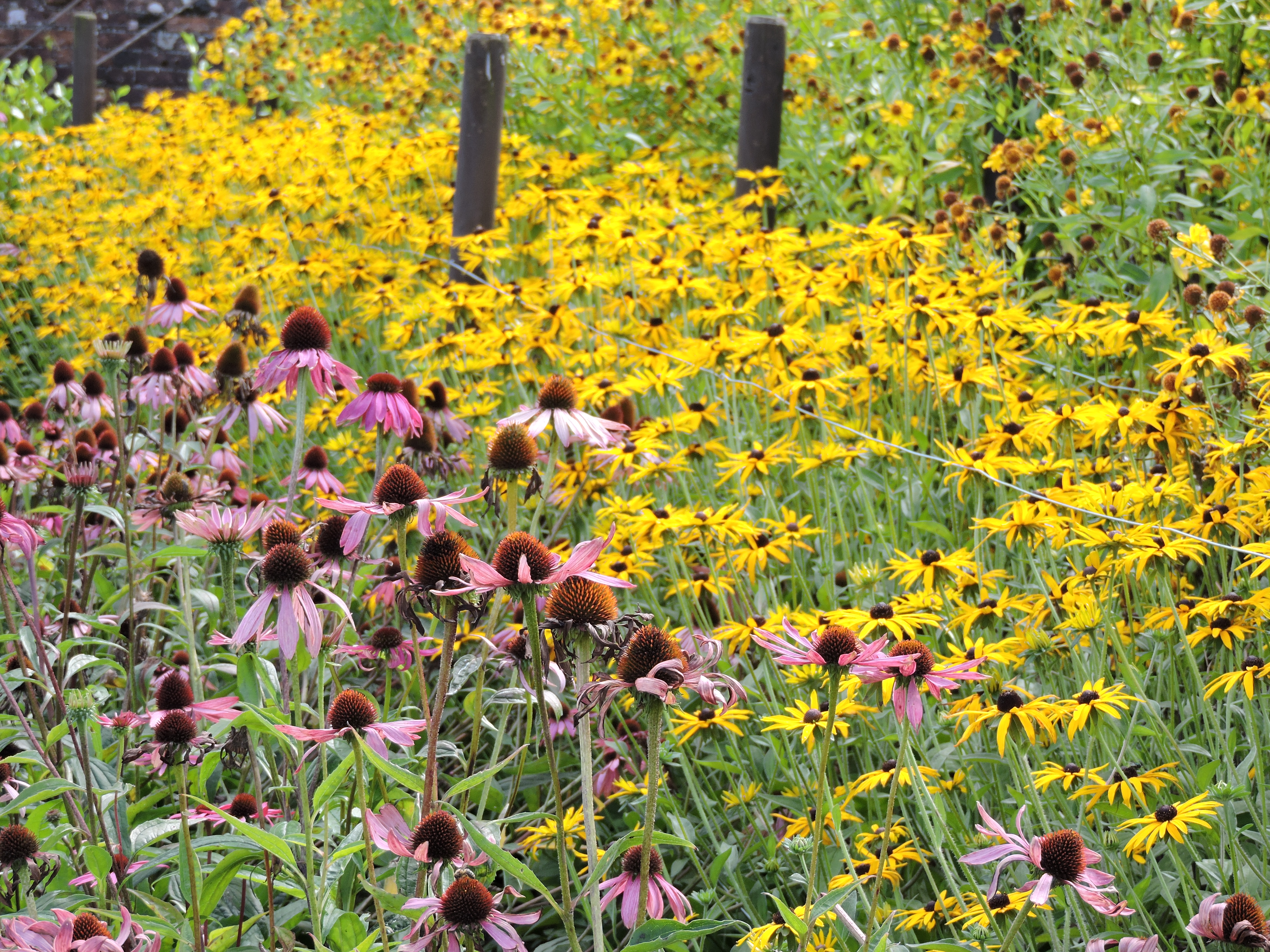
Fantastic flower gardens still:

DSCN2207 DSCN2206

Simply stunning!

DSCN2205

They’ve got a new family of Tamworths who could squeal extremely loudly:

DSCN2219

And a pair of Ostrich:

DSCN2221

Mr RR did the rope bridge walk……but I’ve don’t it before and once is enough!DSCN2223

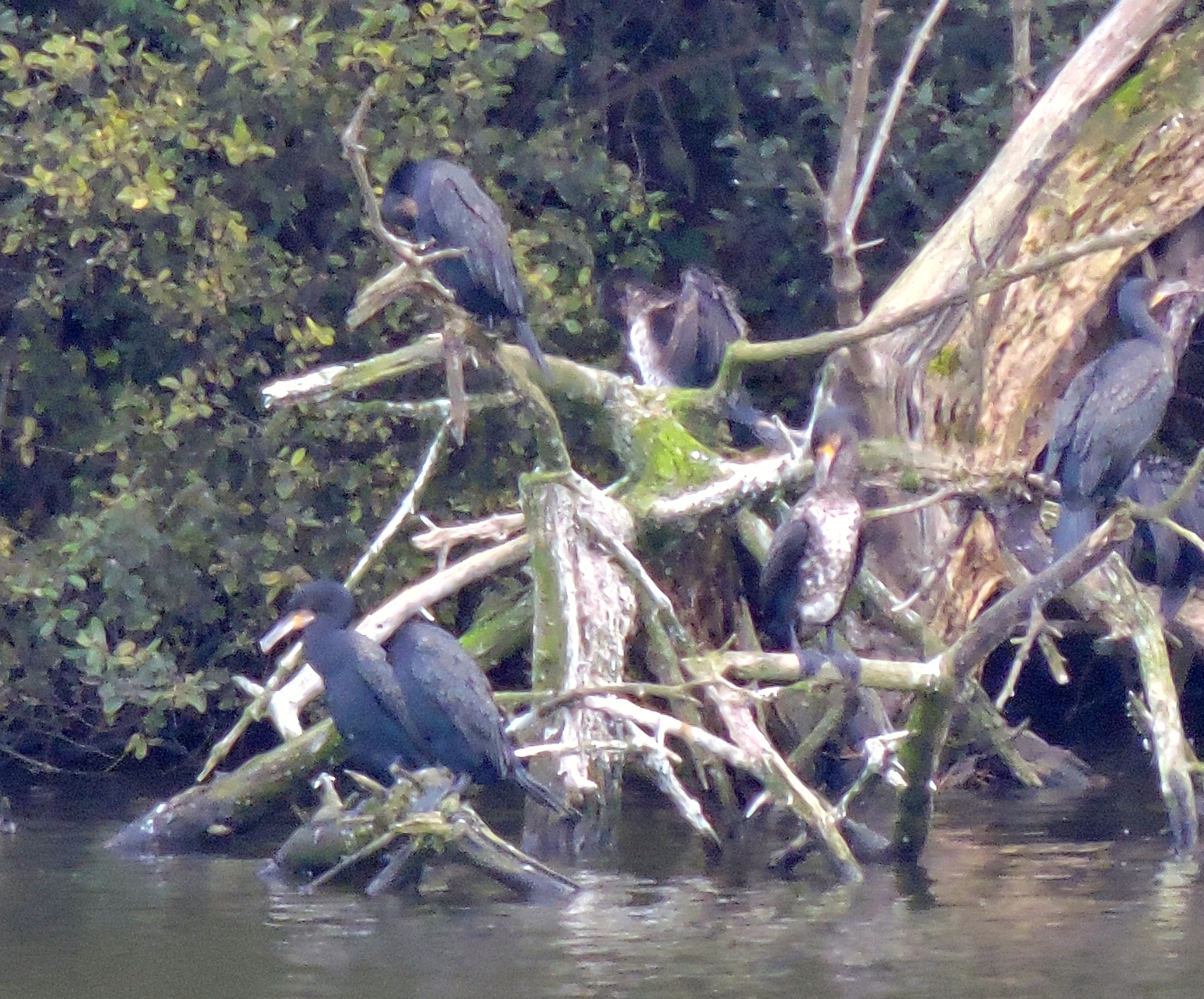
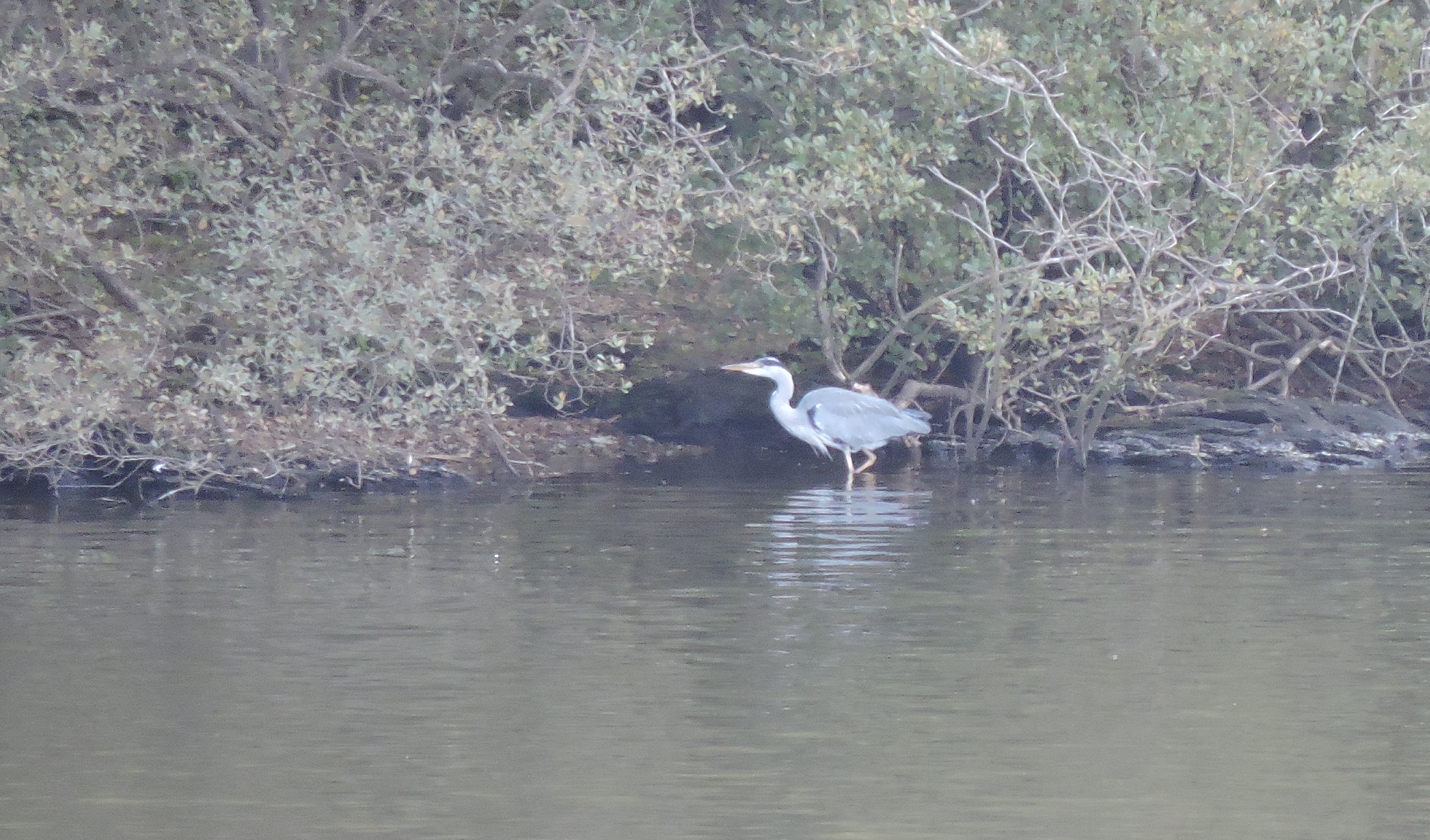
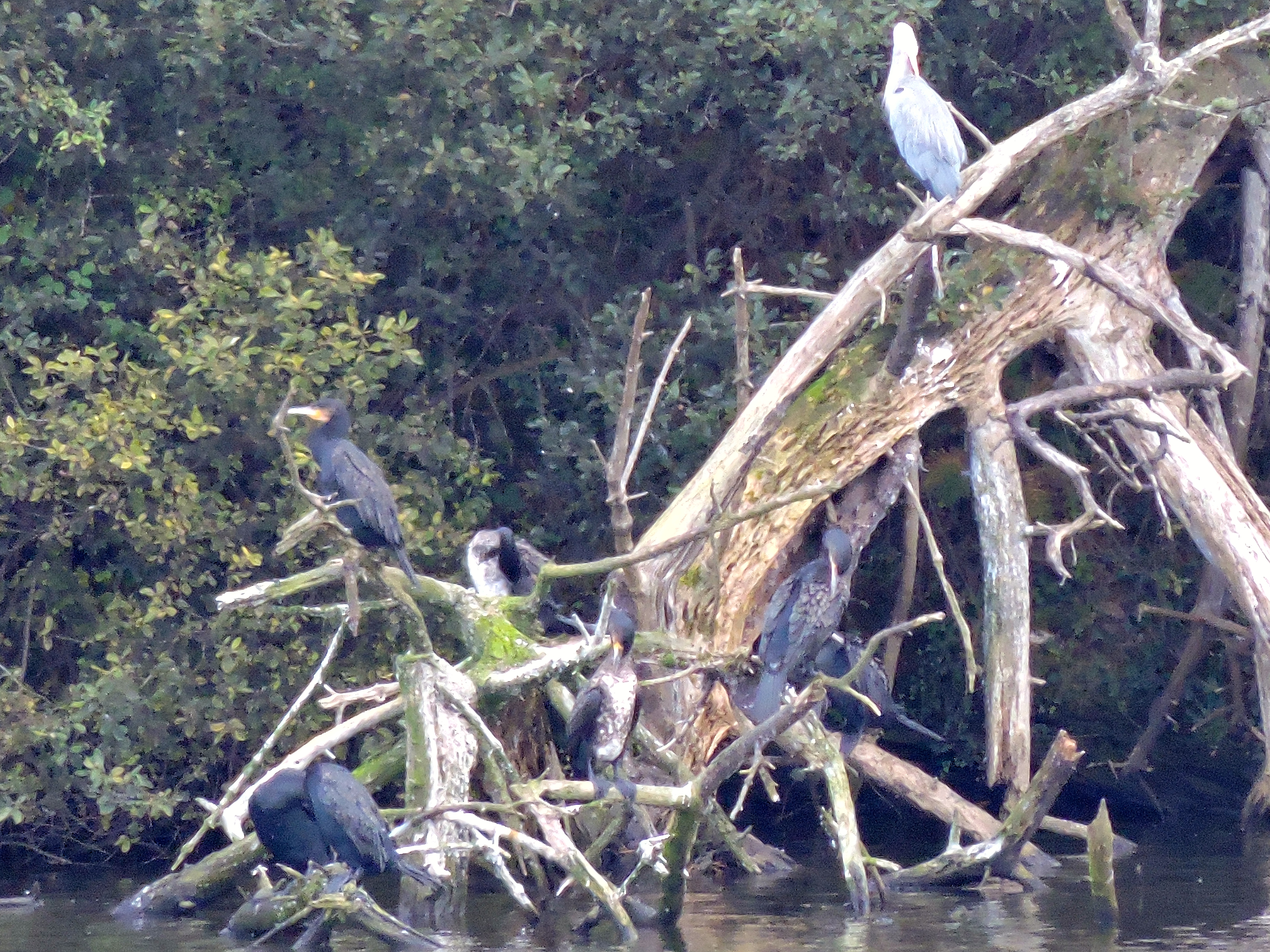
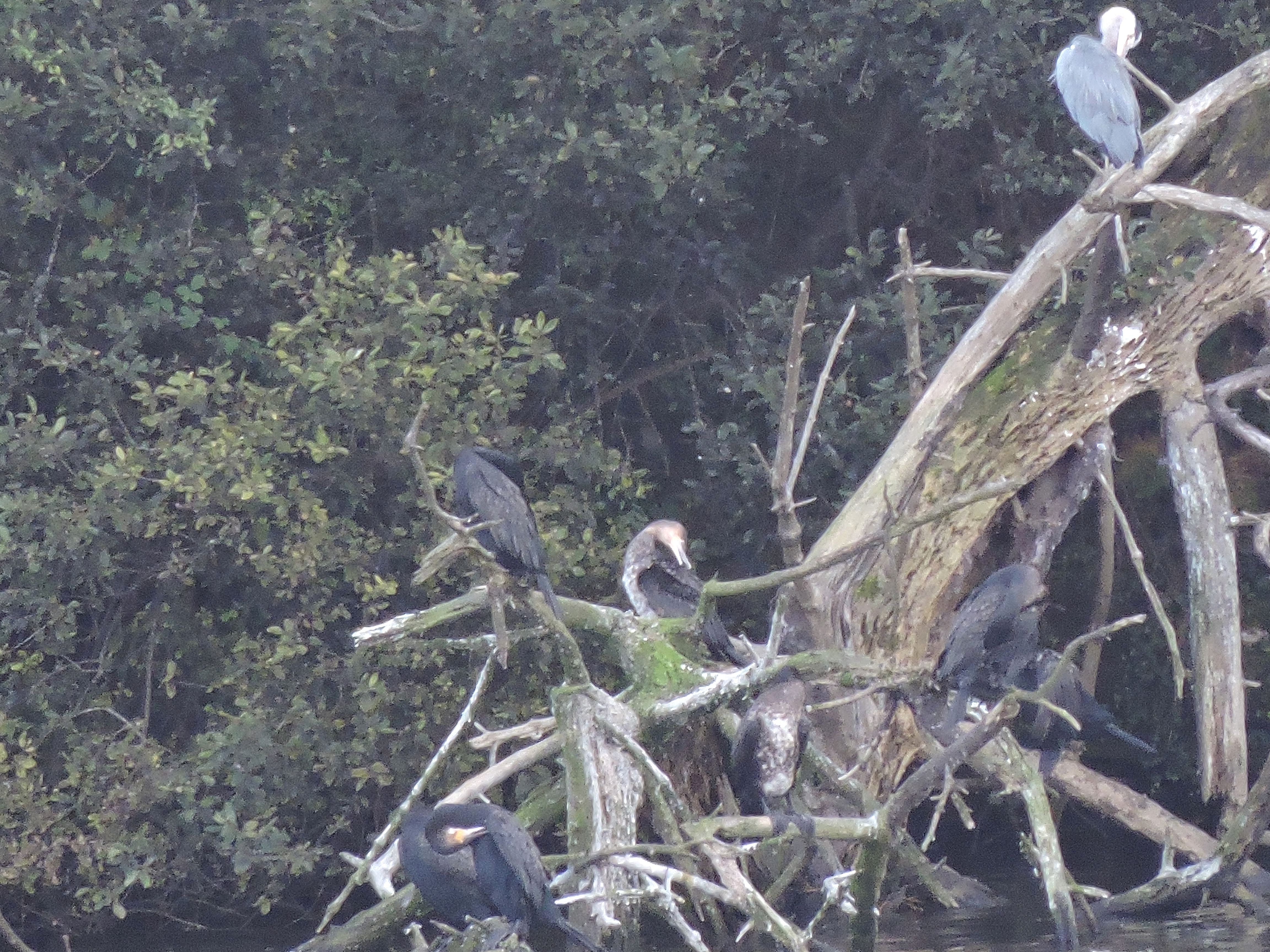
Then today we took the top path around Penrose, descending for coffee at the Stables Cafe and then returning alongside the lake and Loe Bar.  We saw sparrows – flocks of them – A Quarrel of Sparrows!  Five Great Crested Grebe – A Waterdance of Grebe, a Swim of Cormorants and a Posse of Herons!  Quite a good morning for birds on the whole:

We debated whether they might be Tree Sparrows - but no, I don't think so - just House Sparrows
We debated whether they might be Tree Sparrows – but no, I don’t think so – just House Sparrows

A Swim of Cormorants

DSCN2238

DSCN2243

DSCN2246

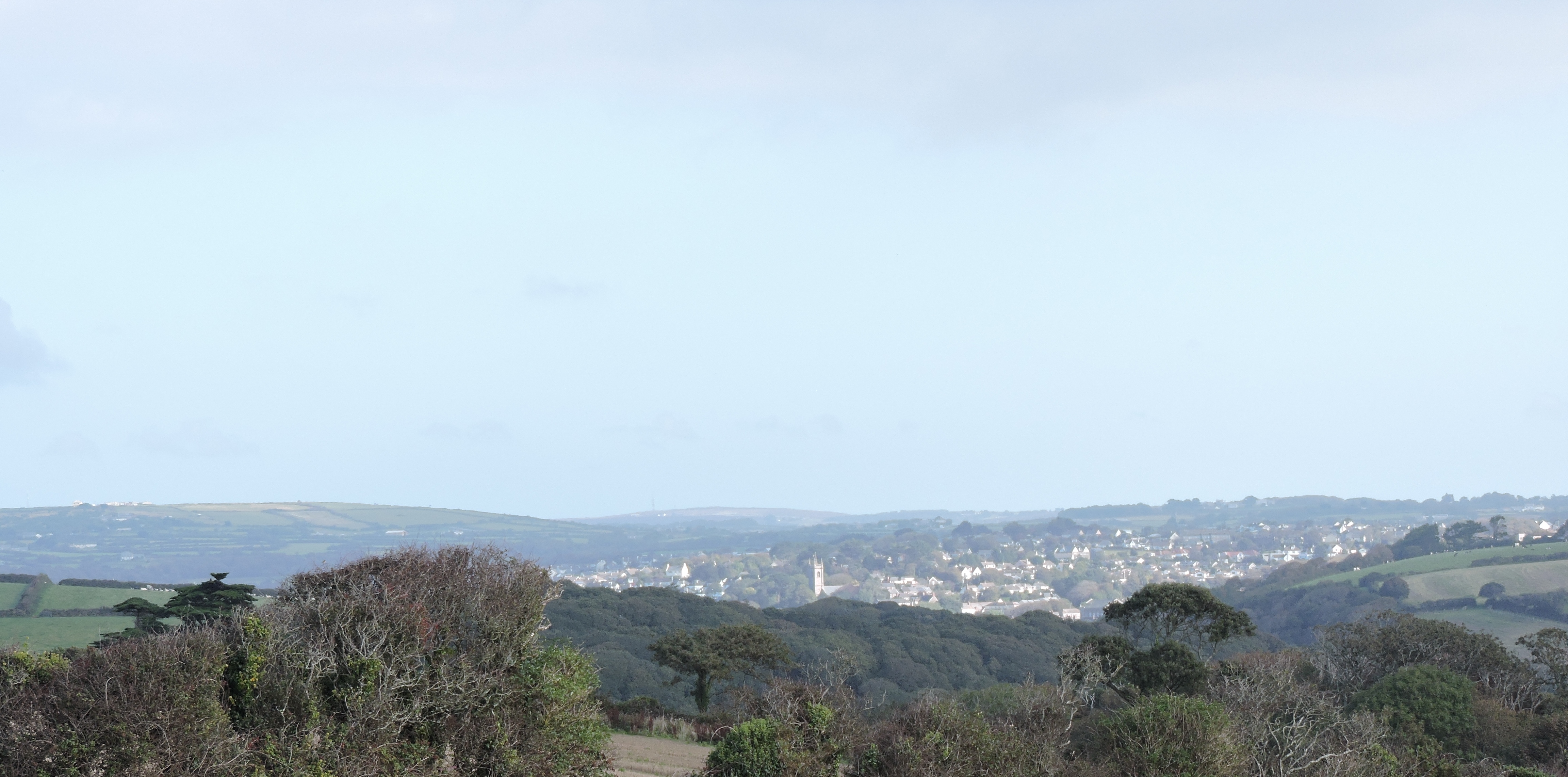
The views across to Helston were unusually clear:
DSCN2233

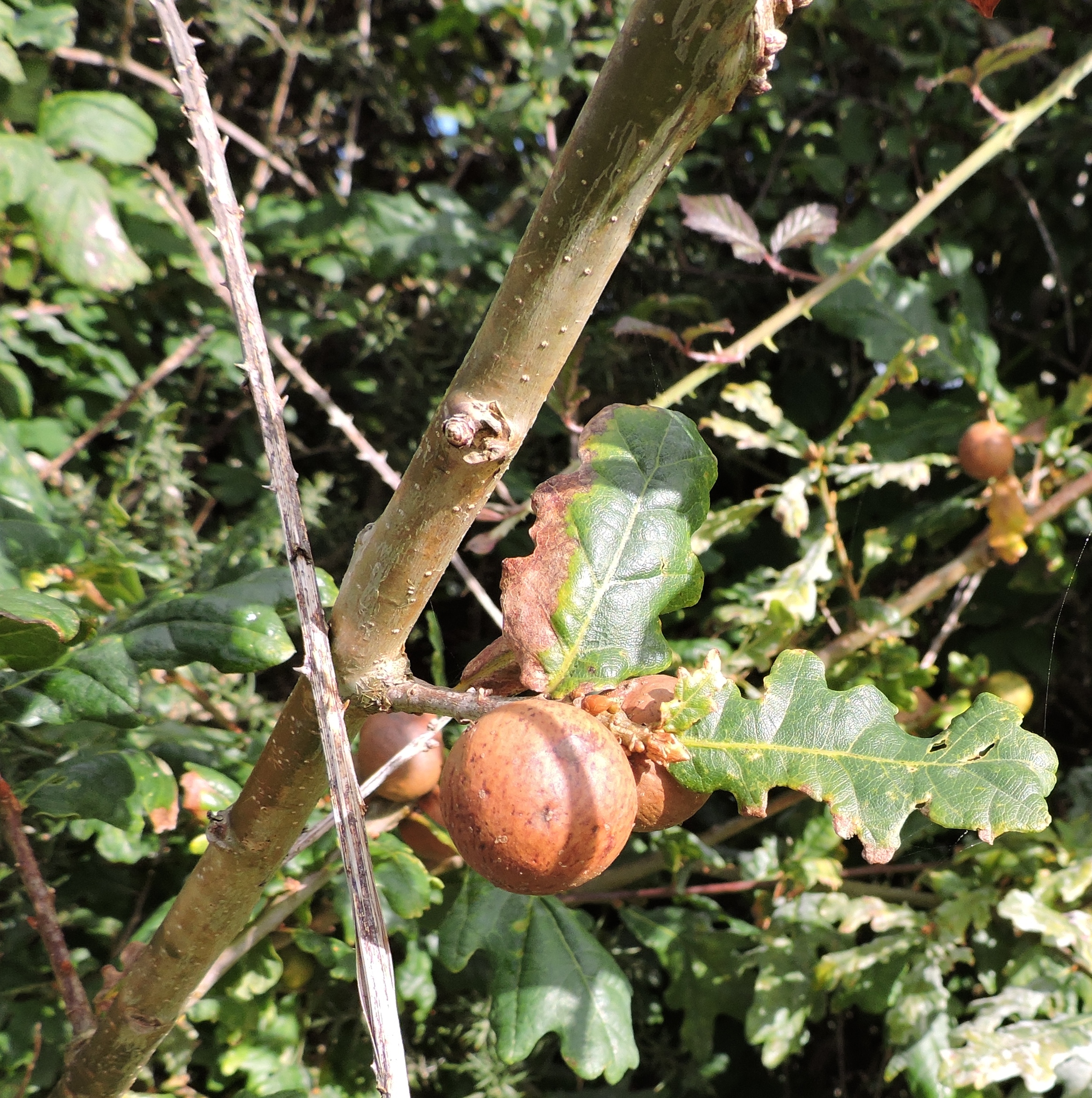
DSCN2235These are Oak apples – a soft spongy ball found on the end of Oak tree twigs.  Inside the apple is divided into cells and in each cell lives a grub, destined to become gall-wasps or flies very soon!

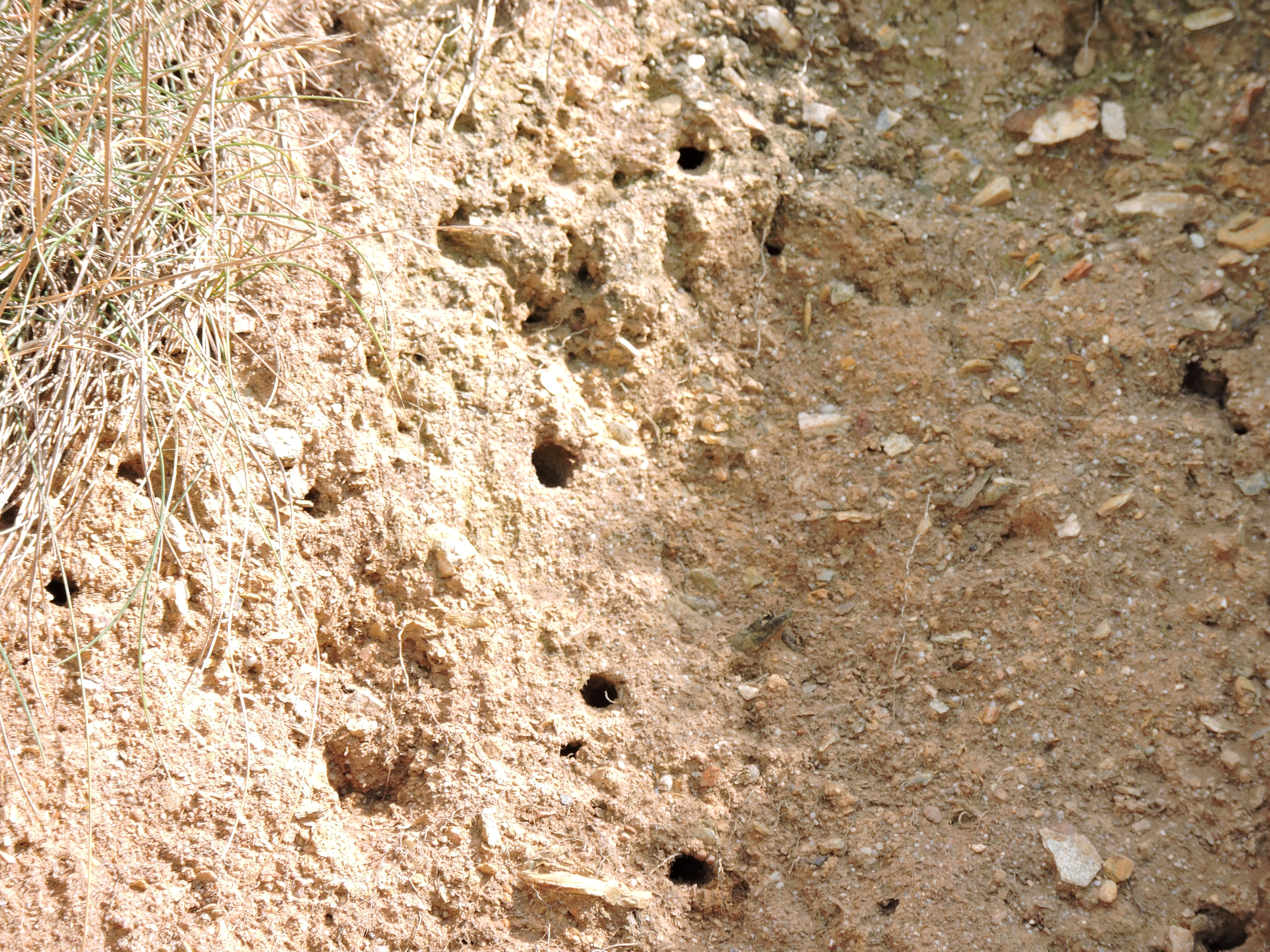
On the way back along the coast path from Loe Bar we noticed hundreds of tiny holes in the bank:

DSCN2254

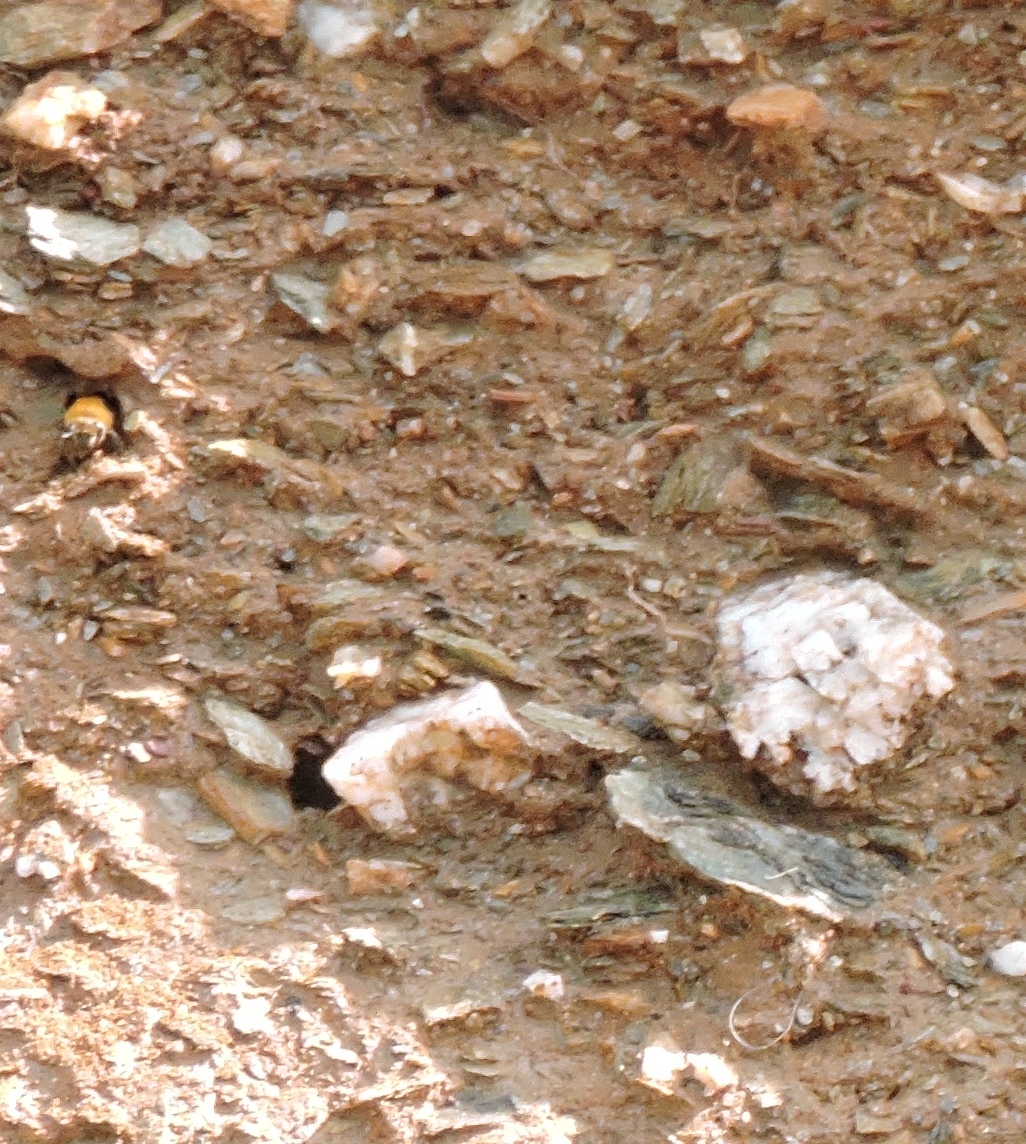
They went on for quite a way and there were wasps hovering all around.  Despite many tries I was completely unable to get a picture of a wasp! Except this one:

DSCN2256

Can you see it?  On the left hand side – just emerging from it’s hole.

I think these must be Bee-killer wasps!  These insects are voracious predators of Honey Bees – they capture and paralyse them and then carry them back to their nests before laying eggs on them.  The developing larvae then feed on the bee.  Twenty years ago this insect was rare but it is now colonising new habitats throughout England.

Total miles walked this year: 579


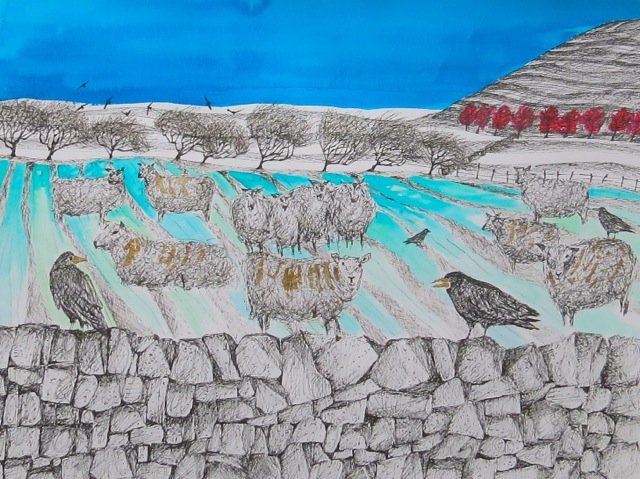
PZ57 - mixed media on board
PZ57 – mixed media on board

Artwork for Ricketyrambler by Andrew Major

http://www.andrewmajorart.co.uk

http://www.artistsandillustrators.co.uk/Andrew-Major

The Trelissick Man and The Men of the Trees

Sunday, 13th September 2015

Hello

Firstly – welcome to new readers!

Mr RR and I took a trip to Trelissick for a look at the gardens, and found the hydrangeas, which are not really my favourite plants, looking lovely, especially the amazing Hydrangea peniculata ‘Burgundy Lace’ which is blooming in the round border outside of the house.  If I was going to buy a hydrangea, this would definitely be the one! Continue reading

Acorn Bank

Saturday, 5th September 2015

Hello

We left bonny Scotland today and travelled down the M6 towards our overnight stop in Cheshire.  On the way we avoided the motorway service stations and instead made our way to Acorn Bank, about 6 miles from Penrith for a lunch break and a stroll around the gardens.  This is a National Trust property described in their blurb as a ‘tranquil haven with a fascinating industrial past’ (www.nationaltrust.org.uk/acorn-bank/ ).  They are right – it’s an interesting property which not only provided us with a much need coffee break and a tasty lunch, but a chance to walk in their gardens, orchards and acres of ‘wild garden’ – mostly woodland with a pretty river flowing through it. Continue reading

Trebah Gardens

Sunday 16th August 2015

Hello

We’ve been to Trebah…..lots of other people were there too, it being August and all that.  We had a walk down to the beach, a cup of tea, and then a walk back up to the cafe for lunch and then another walk before sitting down and enjoying the views for a while.

Here are some pictures of my favourite things. Continue reading