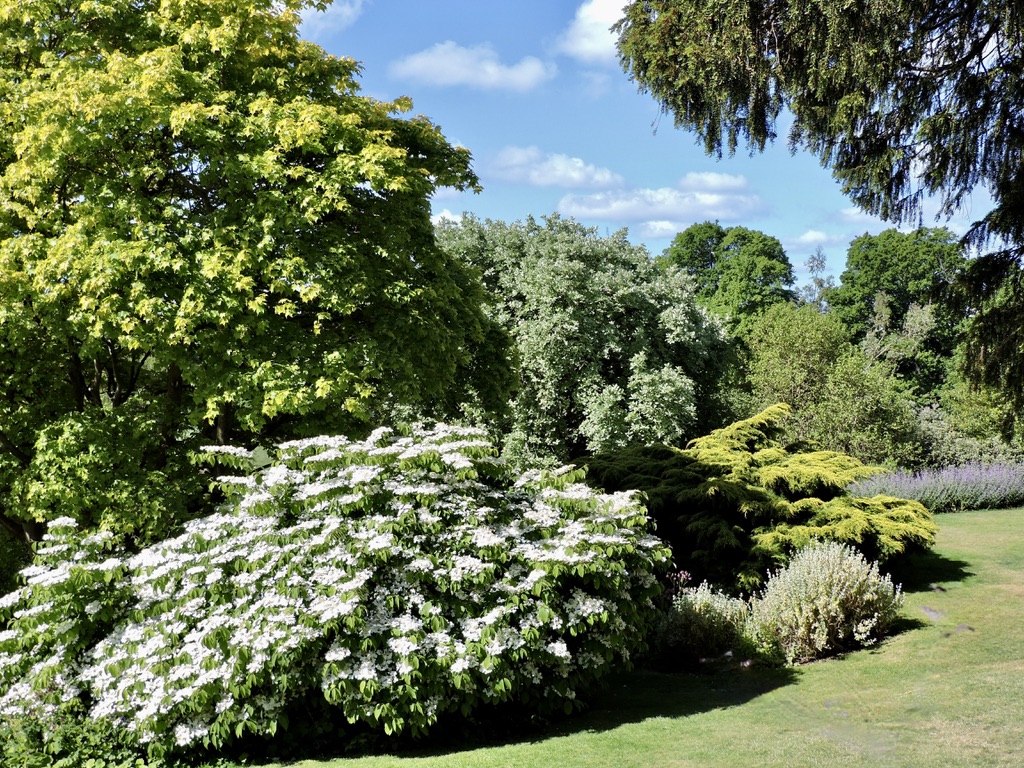
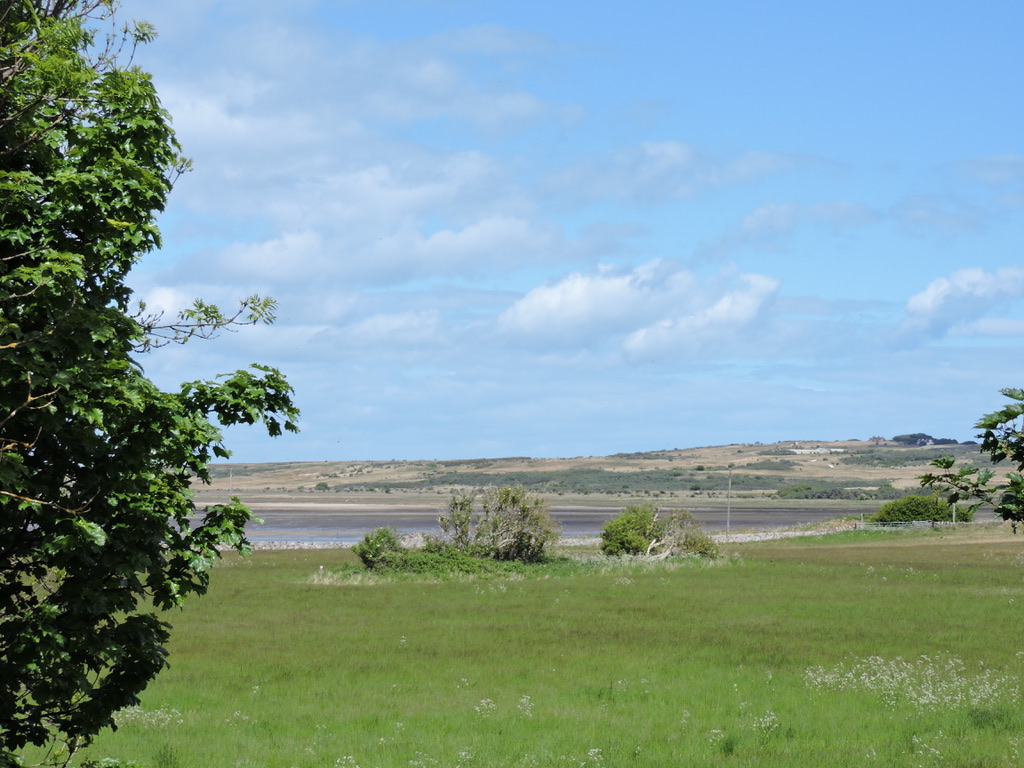
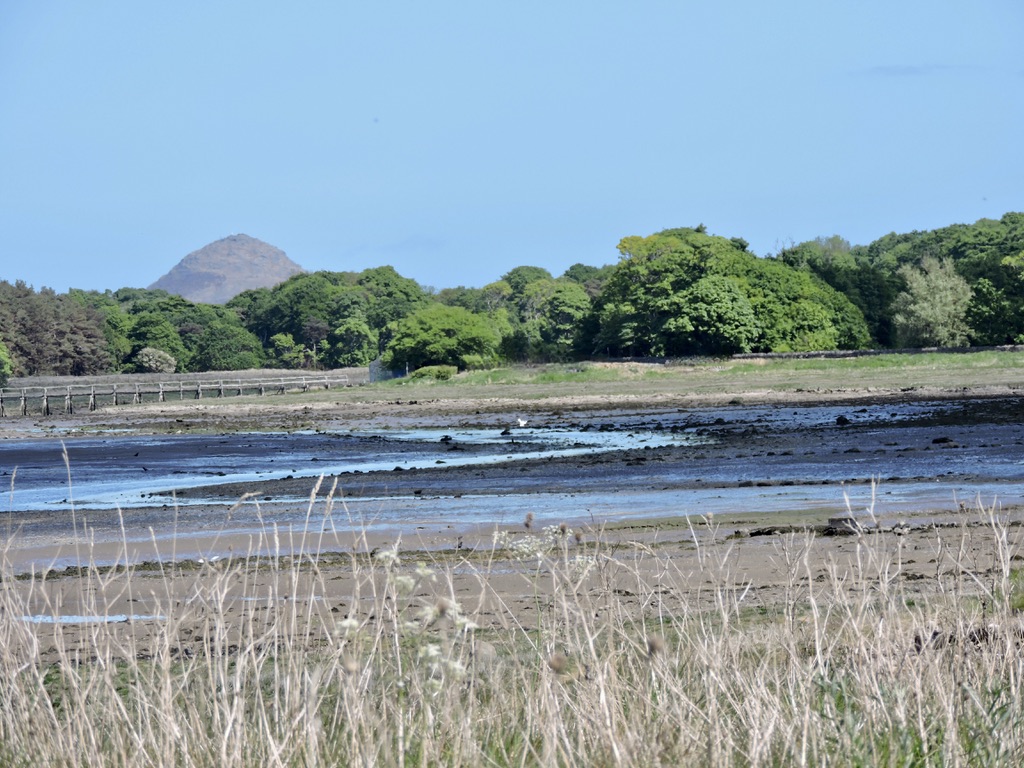
Two lovely Scottish names to pick apart today and two beautiful places to talk about. We visited the National Trust for Scotland’s Inveresk Lodge Garden which is near Musselburgh a couple of weeks ago before popping along the coast past some wonderfully named places – Prestonpans, Cockenzie and Longniddry to the lovely little town of Aberlady – one of my favourite places in East Lothian.
Inveresk:
Inver… meaning the mouth of a river and Esk being the name of the river – so Inveresk. Esk is the name of several rivers in England and Scotland and is probably from the Brythonic (Celtic) word – meaning “water”.
Aberlady:
Aber…..also meaning the mouth of a river or where the waters meet – also probably Brythonic – and “lady” probably was an earlier name for the West Peffer Burn which is the stream which flows into the Firth of Forth at this point. Interestingly “Peffer” also comes from the same language and means ‘radiant’ or ‘beautiful’.
So now you know – two places at the mouth of streams or rivers where they flow into the Firth of Forth.
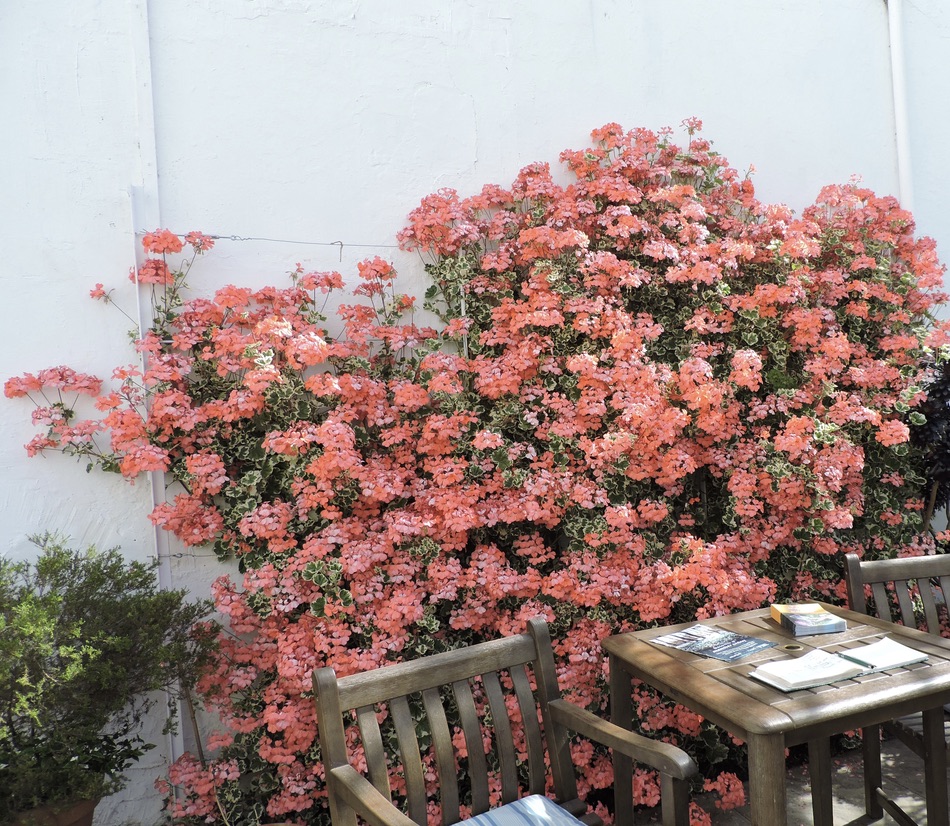
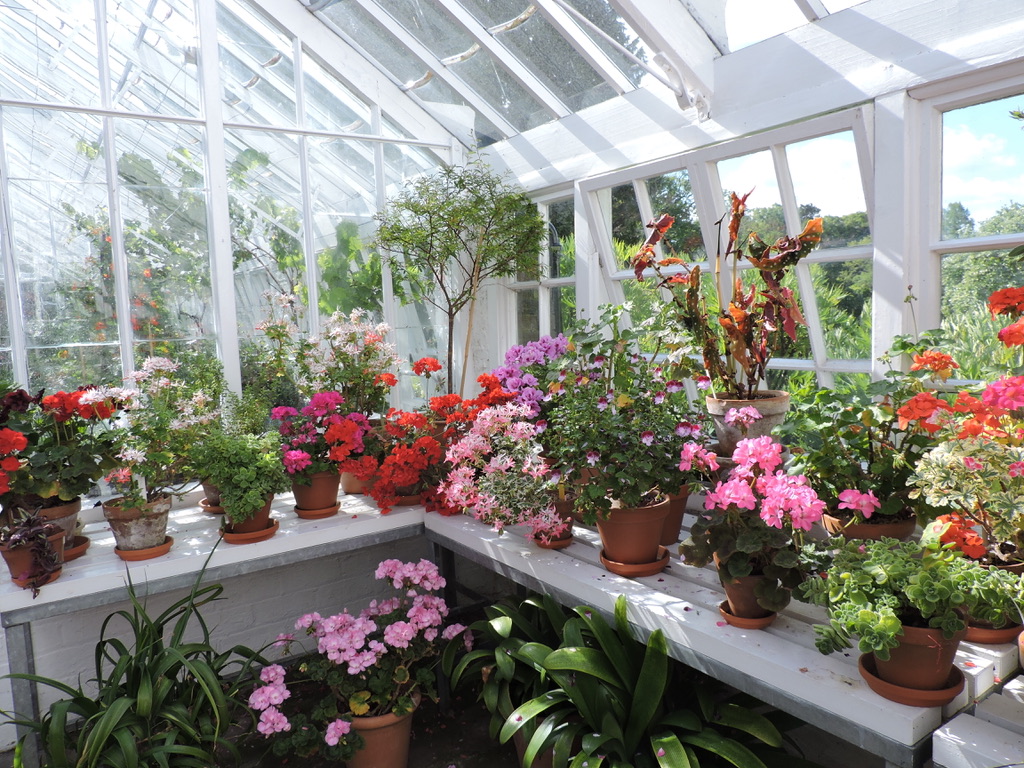
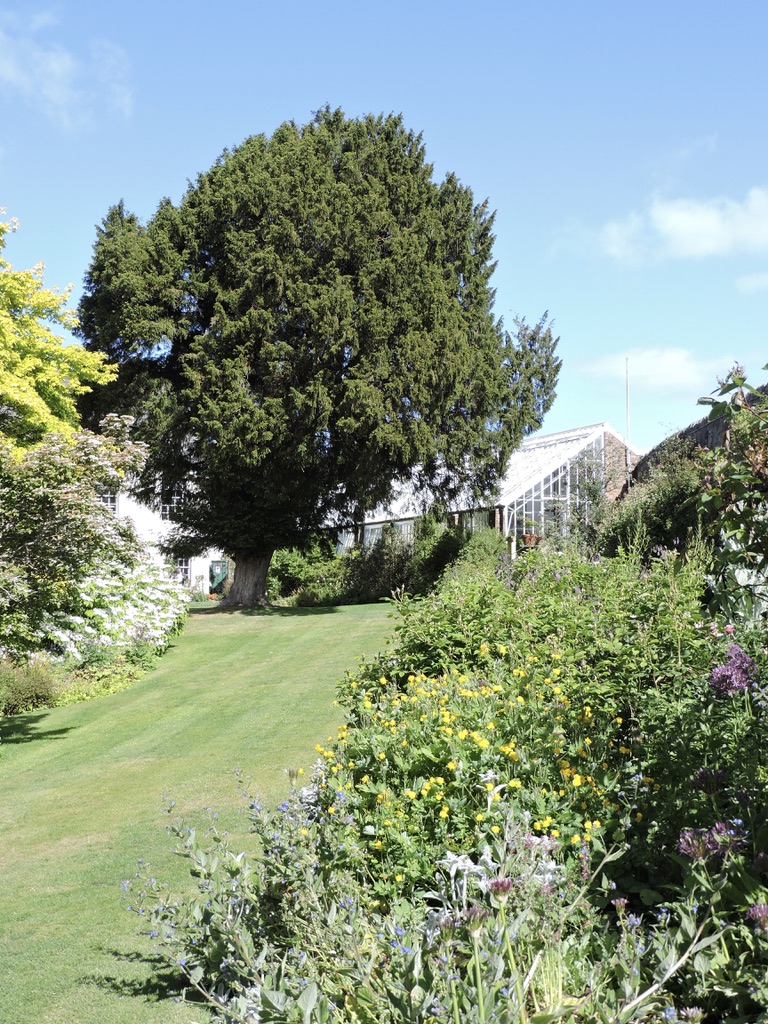
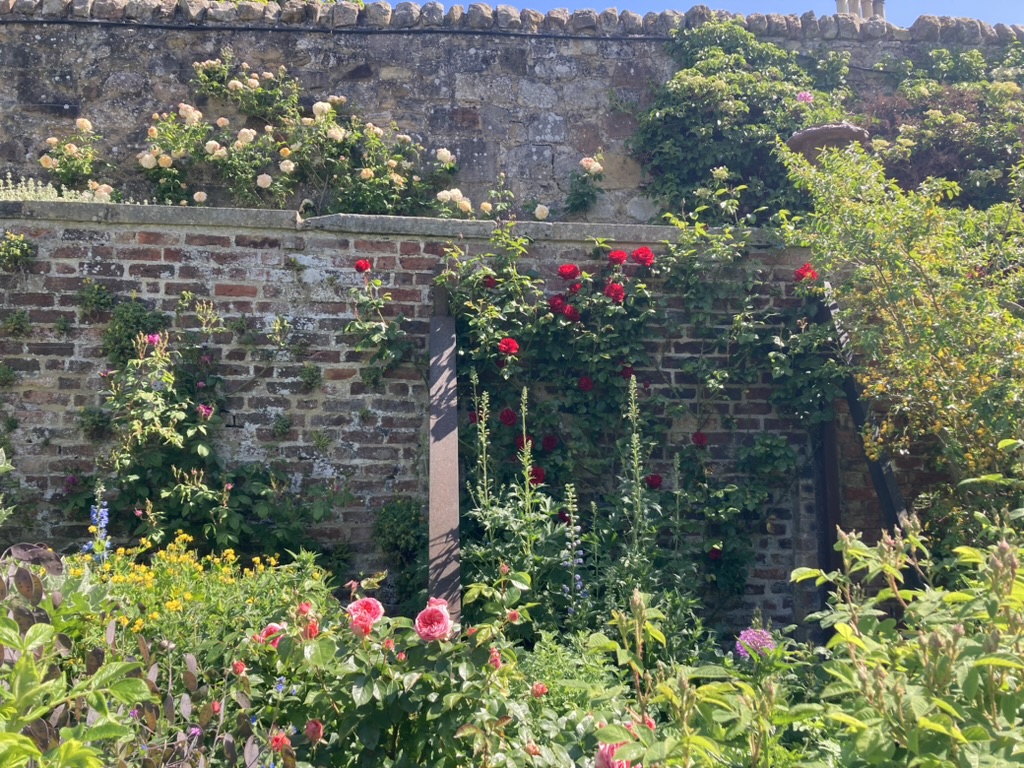
Inveresk is a pretty historic village which seems to be on its way to becoming a suburb of Musselburgh judging by the amount of house building going on on its outskirts. We may go back for a walk around the old village one day but this time we headed straight into the Lodge Gardens which are split into two areas – the greenhouses and lawned area with their pretty borders, and the wilder hillside woods, meadows and ponds. The greenhouse was notable for its astonishing wall of geranium – I’ve never seen a geranium climbing like this one before:
We wandered through the woods and meadows and around the ponds which contained millions of tadpoles, and then back up to the more formal lawned area.


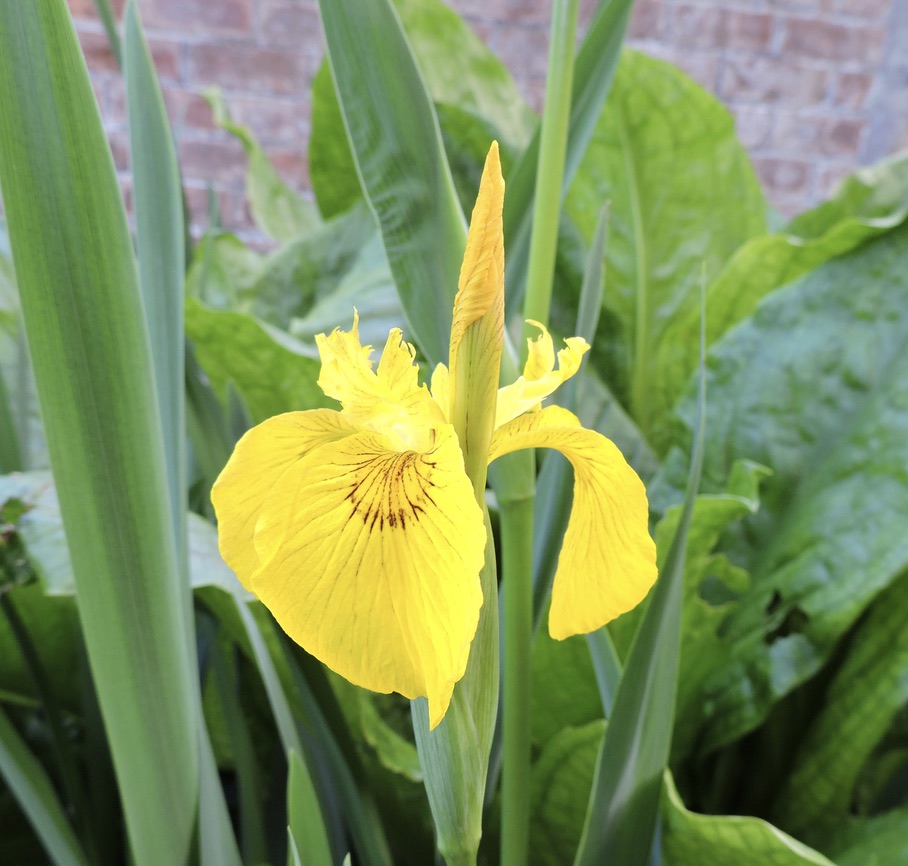
This beautiful flag iris was in the border, we have some in flower right now in our pond at home. I would nip out and grab a photo but some much needed torrential rain is happening and I’m not inclined to get that wet!
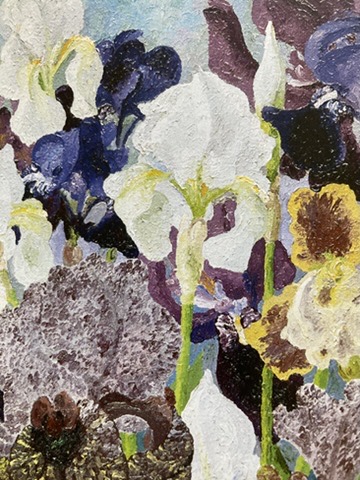
Talking about Irises and just digressing for a minute – today we went to Berwick-Upon-Tweed and saw an exhibition of work by Cedric Morris, a British artist and plantsman. He became obsessed with irises and bred bearded irises from seed – and then of course, he painted them. I’m not so good at the art appreciation stuff – but I quite liked his flower paintings – here’s a little bit of one taken from a card (May Flowering Irises – 1935).
Anyway – onward to Aberlady!
We were really ready for lunch when we got to the outskirts of Aberlady and we had been well-prepared and, checking online found a lovely farmshop and cafe…..except when we got there….no cafe!! This was disappointing to say the least because we knew that there were very few places to get lunch in Aberlady, however we had a wander through the main street and ended up in a lovely hotel garden with delicious scones and tea so all was not lost (though lunch would have been nice).
In the middle ages Aberlady was a port serving the old county town of Haddington, but it actually dates back much earlier than that to around the 7th century when it had a role is supporting pilgrims travelling between Iona to the North and Lindisfarne to the south.
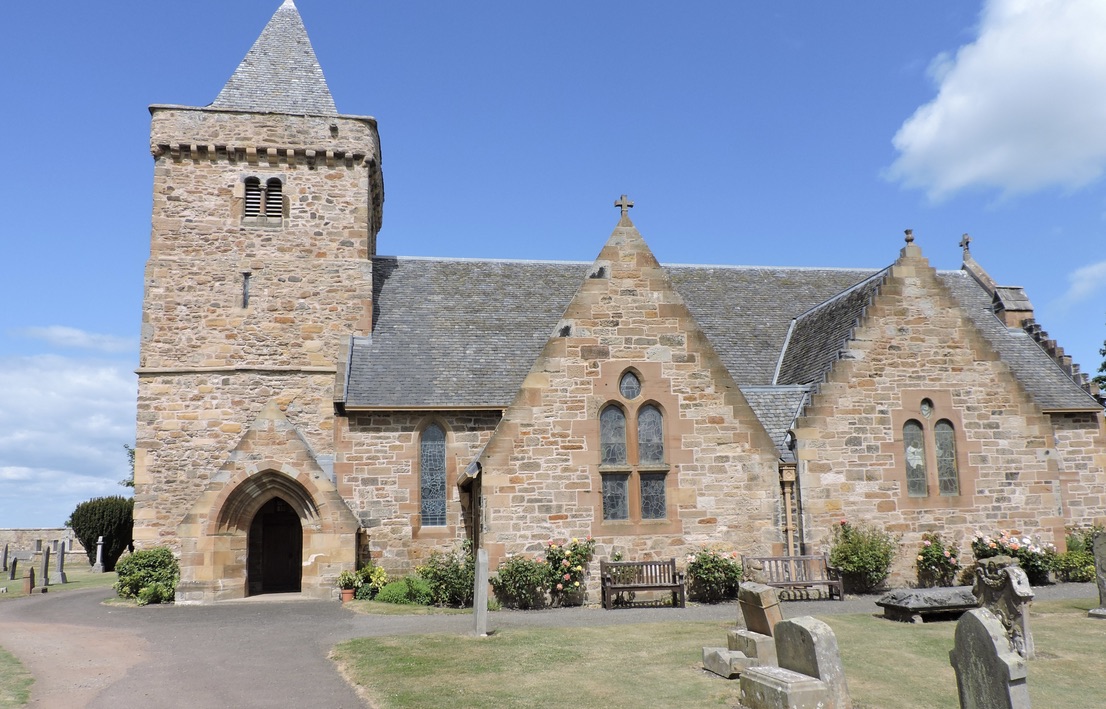
After our scones we walked on along the road to the parish church with its well-tended grounds and walked through to admire the estuary from viewpoint.
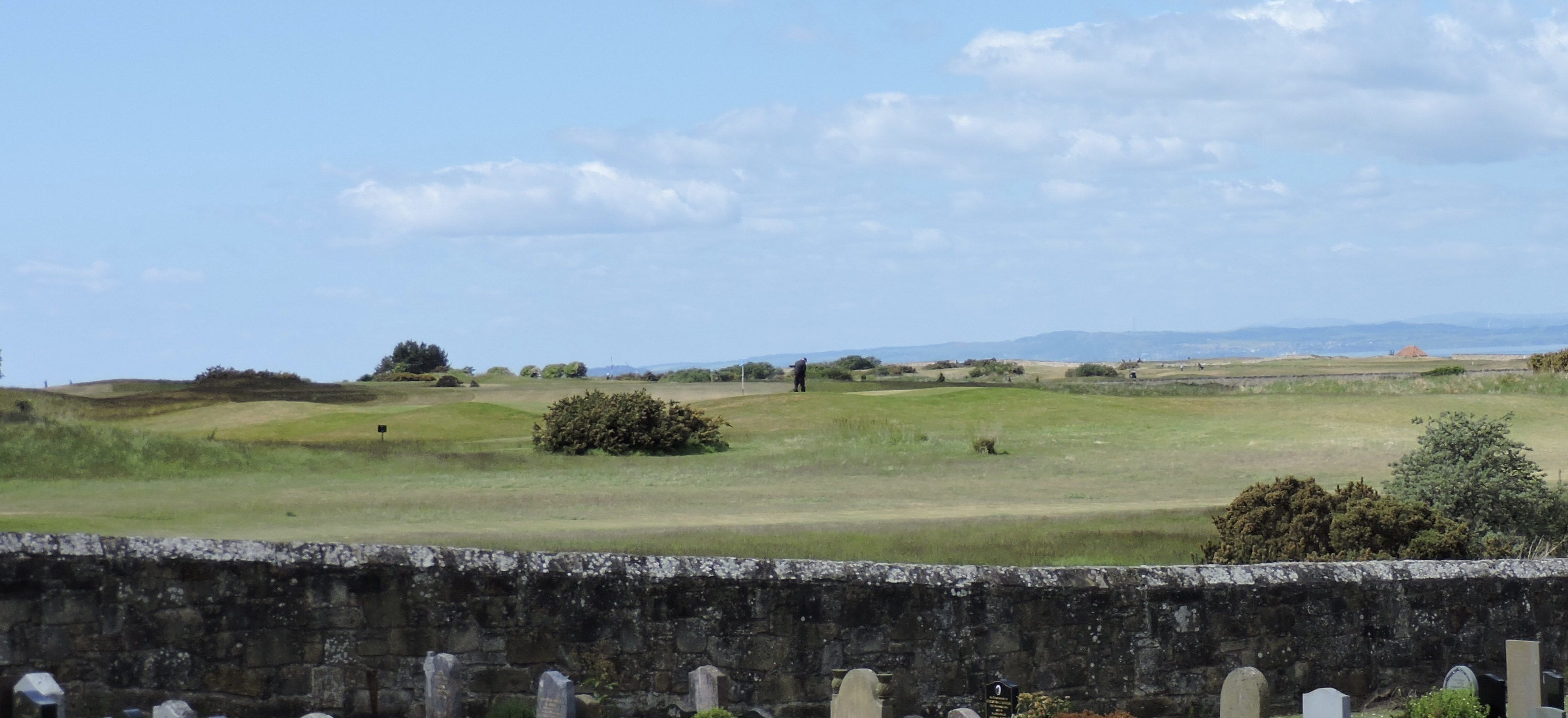
Right next to the churchyard is Coffin Lane (!) and we walked through here to walk back to the main road along the coast road.
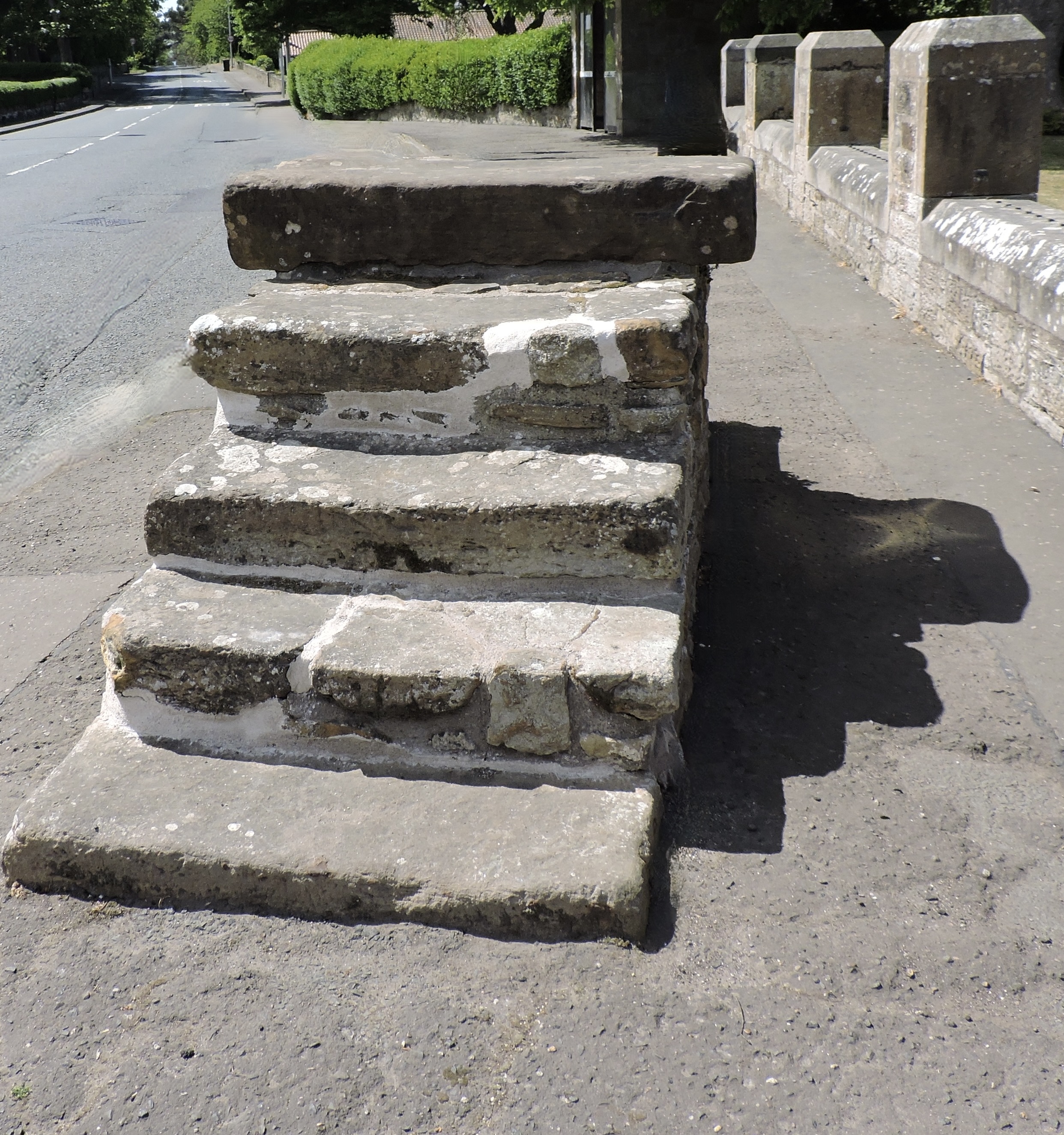
We follow the road out of town towards the Scottish Ornithological Centre at Waterston House passing this set of steps right in the middle of the pavement on the way – I know what they are but do you have any ideas what they are for? Comment below with your answer……
Blue skies had appeared by the time we arrived at the bird centre – this is a view of the pond taken from inside the viewing room.

The only bird we saw though was a moorhen:
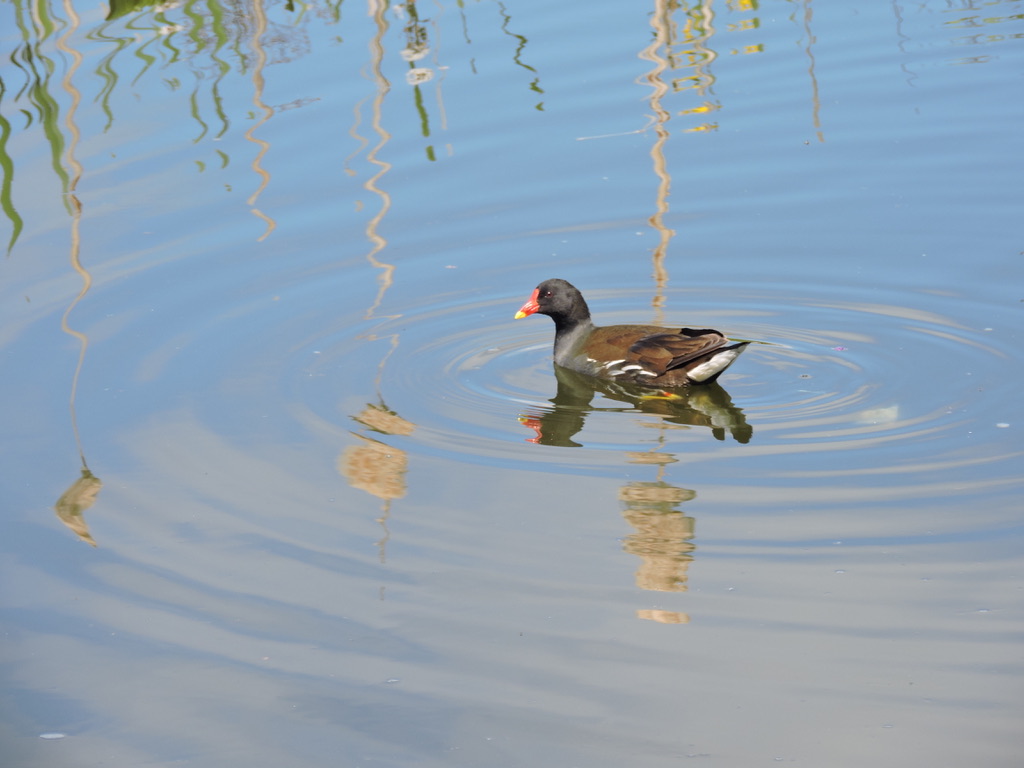
I love how his movement disturbs the reflection of the bullrushes!
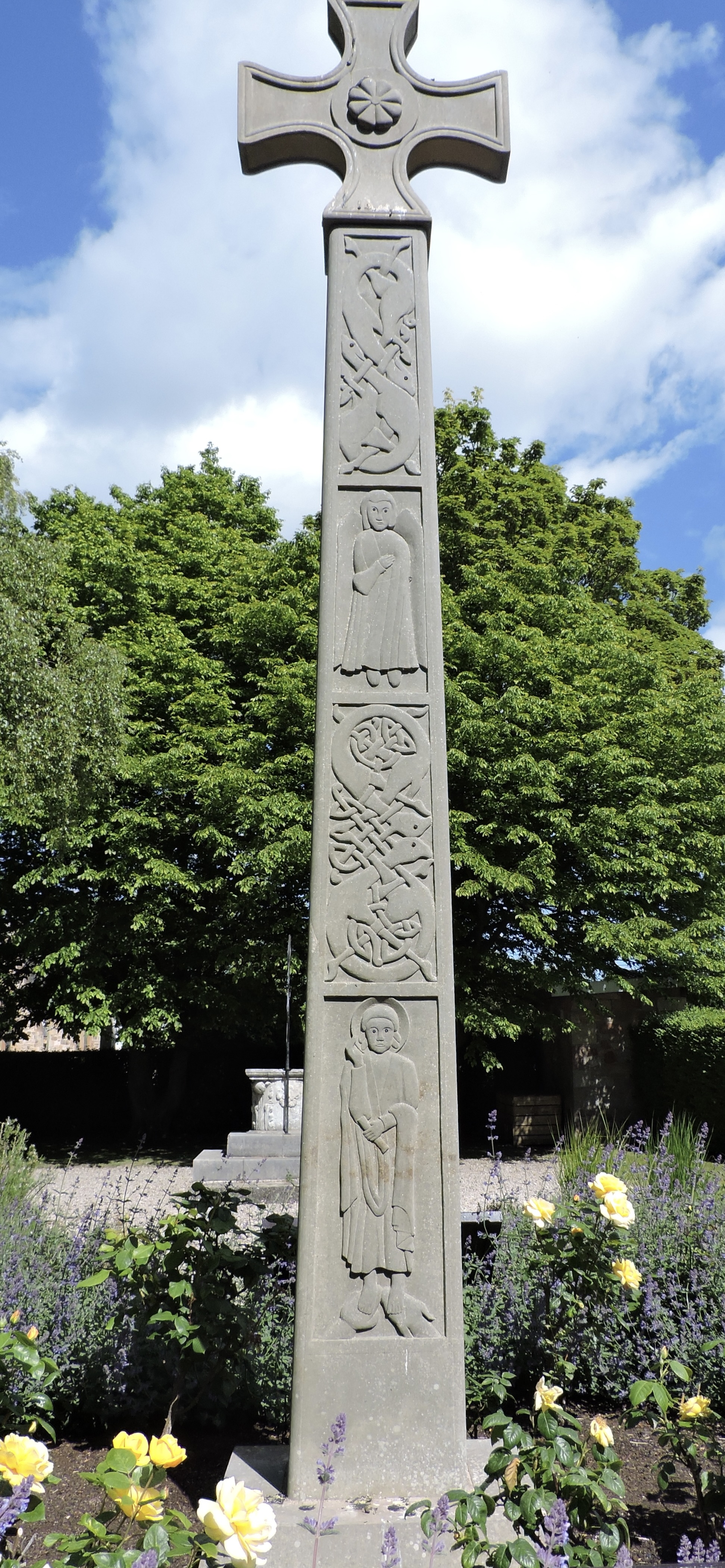
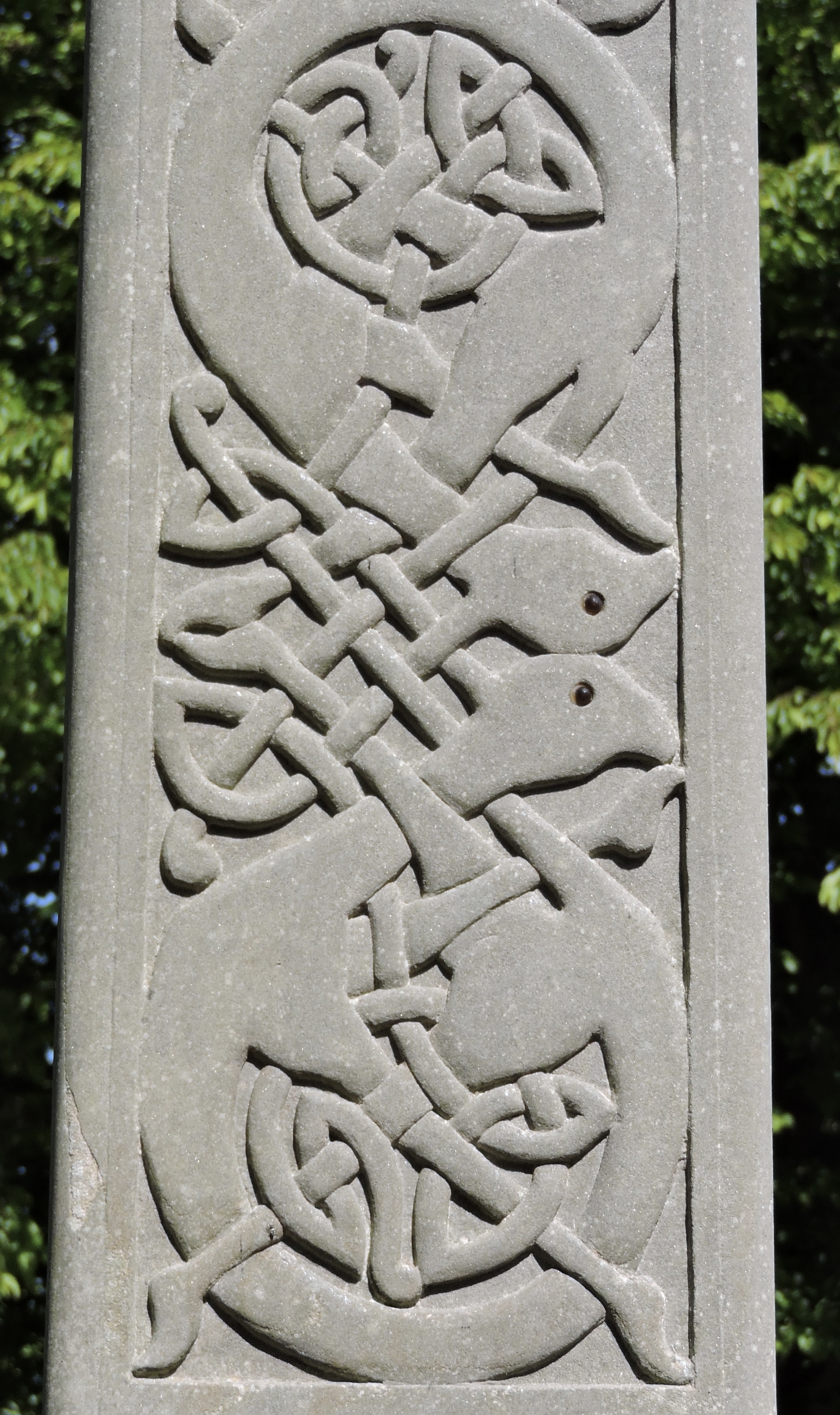
Back on the road through town we stop to admire the Memorial Garden which has a reconstruction of an ancient Anglo Saxon cross, a fragment of which was found in a garden wall adjacent to the kirkyard. The original would have been around 5 metres tall and carved with vine scrolls and seabirds.
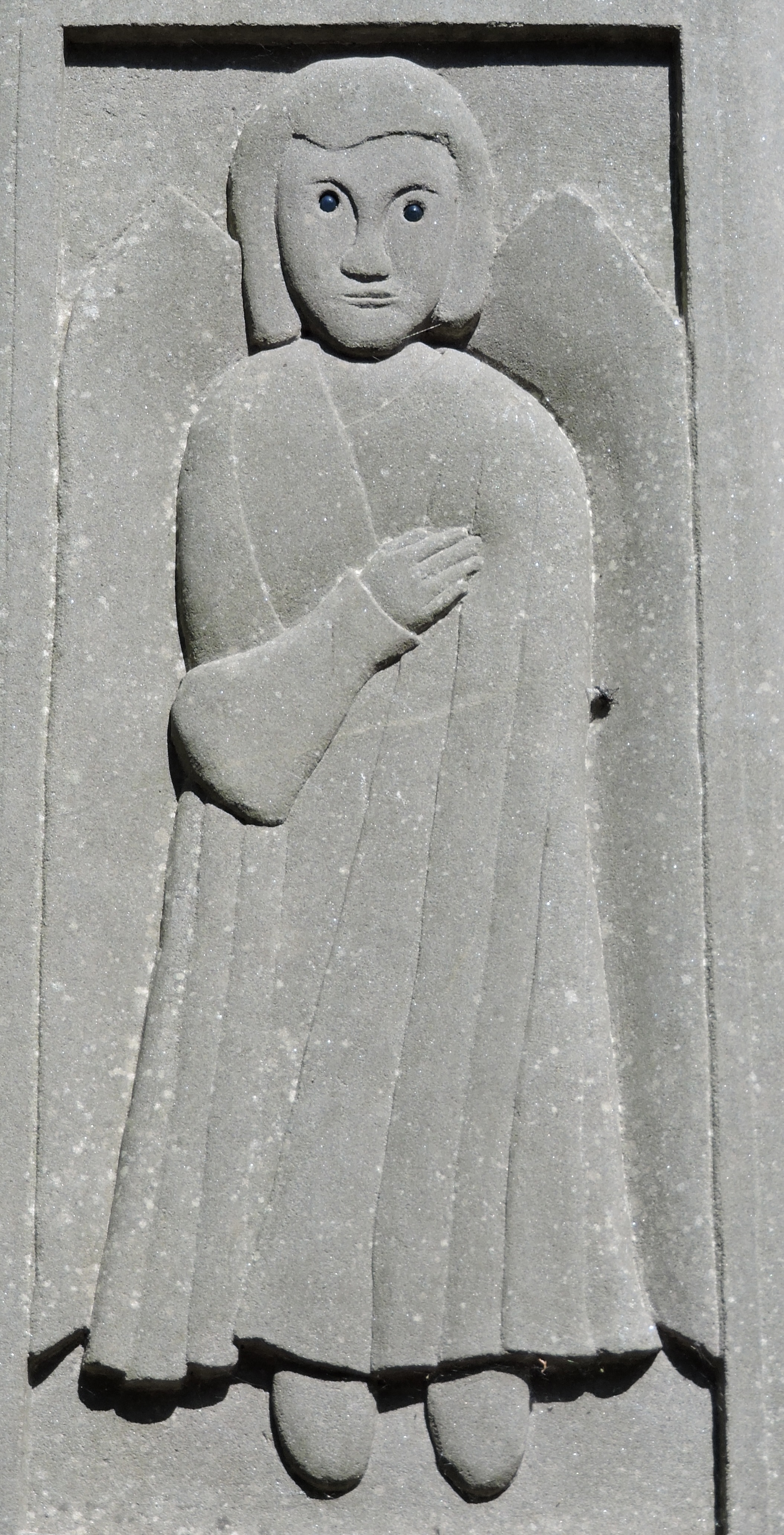
That’s it! Time to go home.
Thanks for reading and especially thanks to people who have been taking the trouble to comment on these posts, especially as it seems that you have had to sign up to WordPress to do this. I’ve now disabled this setting – I hope! I’m still getting to grips with this new version of WordPress so let me know…..and don’t forget to let me know what you think those steps are for.


Another wonderful and informative post. What a beautiful area. Now the steps – the only thing I can think of is for mounting a horse but it does look very tall. Can’t wait to find out. Thank you again – I love these posts. Ms B. Xxxx
LikeLiked by 1 person
You’re absolutely right Mrs B. The steps are there to help you get on your horse! 🙂
LikeLike
Signing up for WordPress is a picayune price for the privilege Thank you for your posts! I enjoy them very much.
Thomas Anderson
LikeLike