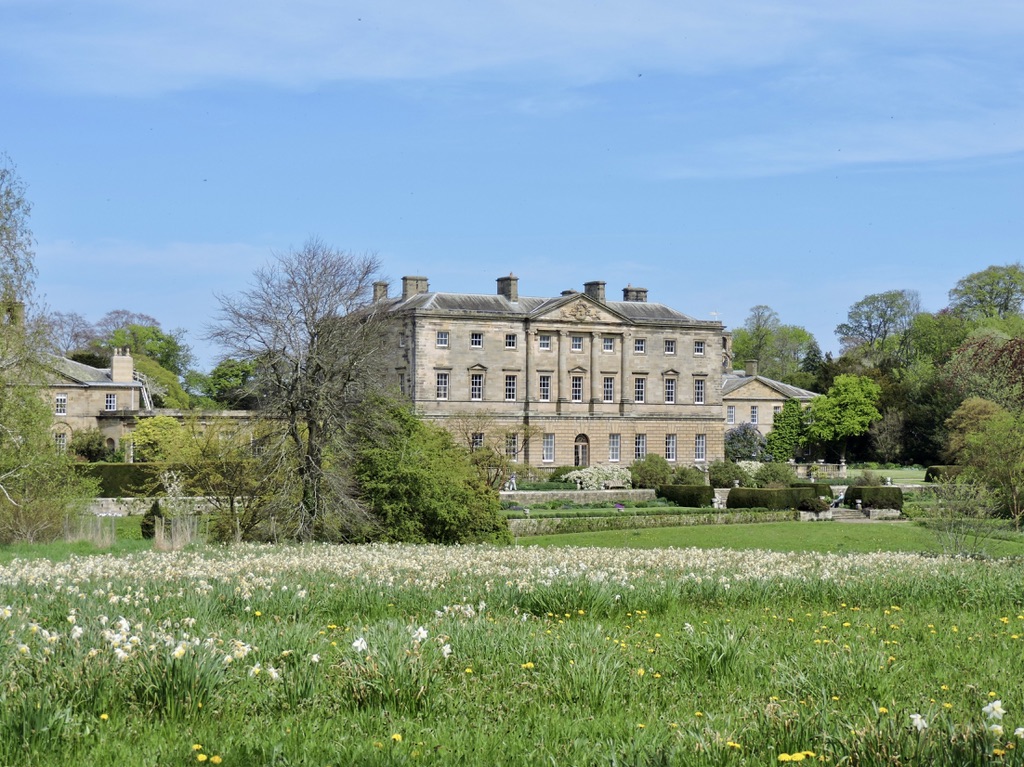
Howick Hall Gardens and Coast Path

From Howick Hall Gardens you can walk to the coast and along the English Coast Path before turning inland and back to the gardens. Including walking around the gardens we did around 6 miles on a beautiful day in late April.

Howick Hall is near the Northumberland coast not far from Alnwick. [ https://howickhallgardens.com/ ] The house, built in 1782, is the birthplace of Earl Grey Tea! The tea was blended by a Chinese mandarin for the 2nd Earl Grey from the spring water at Howick using Bergamot and was so popular that Twinings marketed it for sale all over the world (apparently the Greys were not so business minded and didn’t register the trademark before Twinings got their hands on it, so they’ve never been able to claim any royalties!). Howick was the home of the Grey family from 1319 until the 5th Earl Grey left it to his daughter Lady Mary Howick in 1963. The present Lord and Lady Howick live in the West Wing. The house has a couple of rooms open to the public but mostly its worth visiting for the gardens and arboretum.
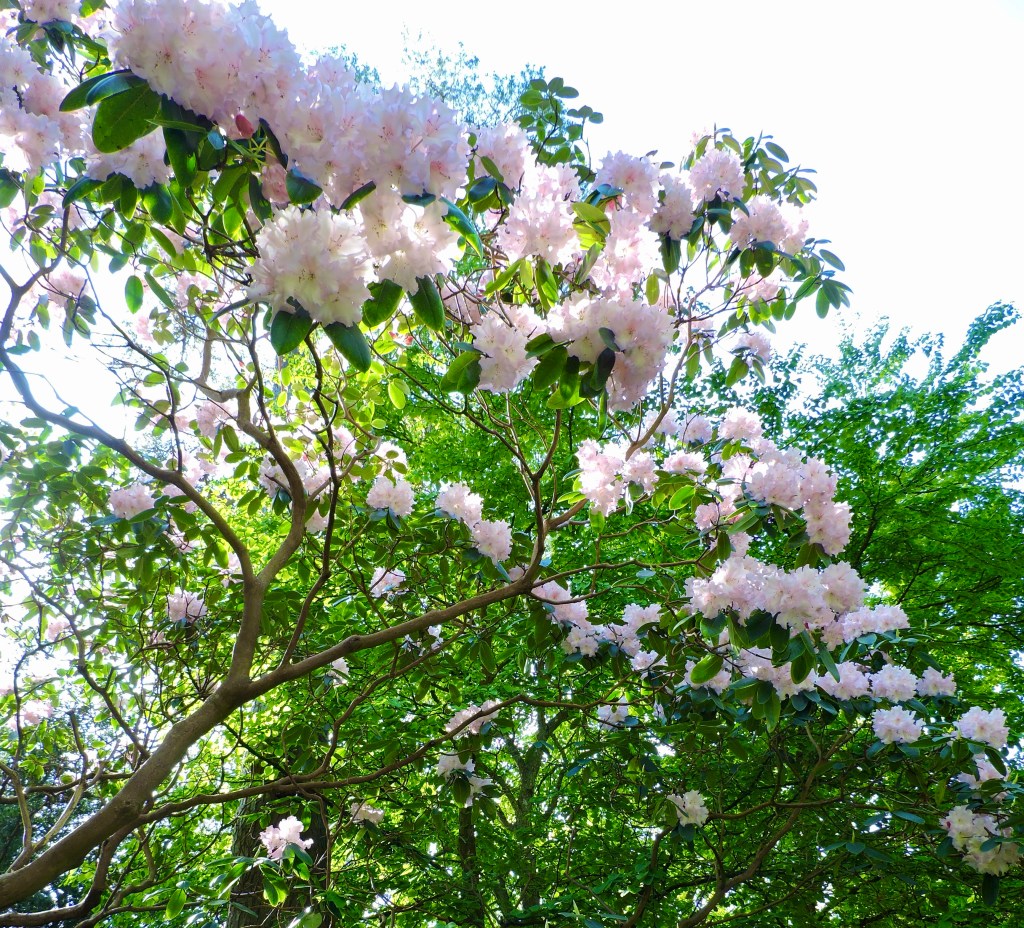
We ambled around the woodland gardens before heading for the church which sits within the grounds. The Church of St Micheal and All Angels is an early Victorian building which apparently used to have a Gothic marble canopy – which is like a stone carved decoration usually over the altar – but the 5th Earl disliked it so much that personally took a hammer and chisel to it!

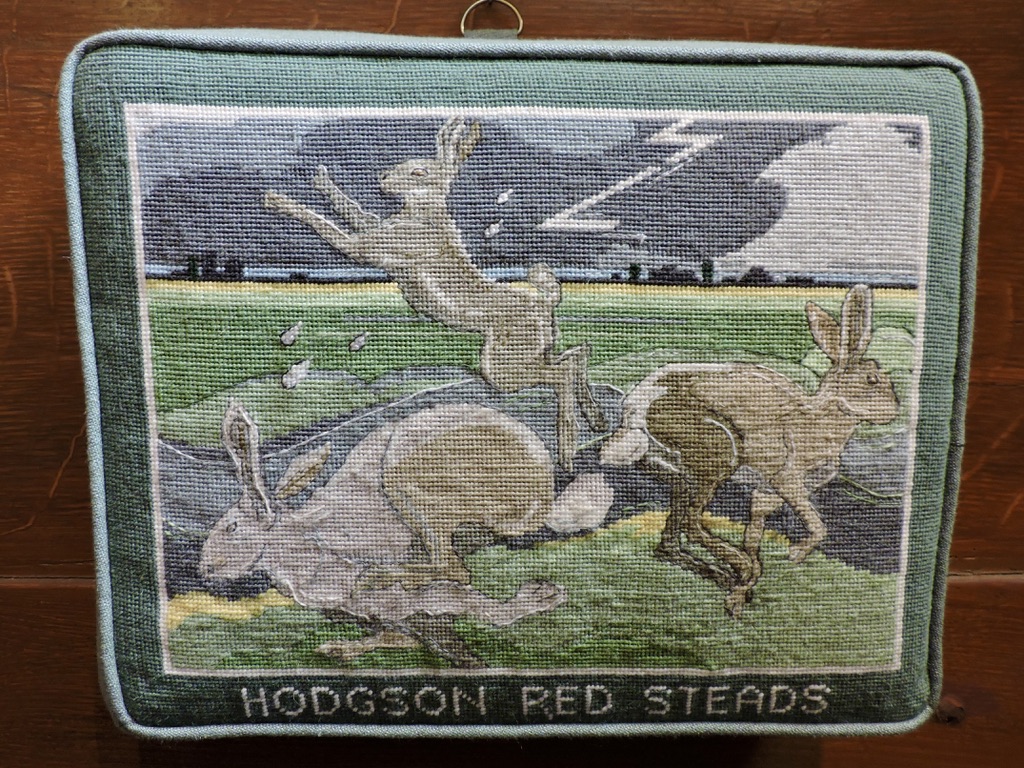
The most interesting part of the church as far as I’m concerned are the Howick Kneelers. A display of nearly 90 hand-stitched kneelers, all designed and produced by local people as part of a community project. Made in 2018-19 the kneelers depict local history, architecture, nature and landscapes and 150 local people were involved in this project. Impressive! Here are just two – they are all just as lovely.
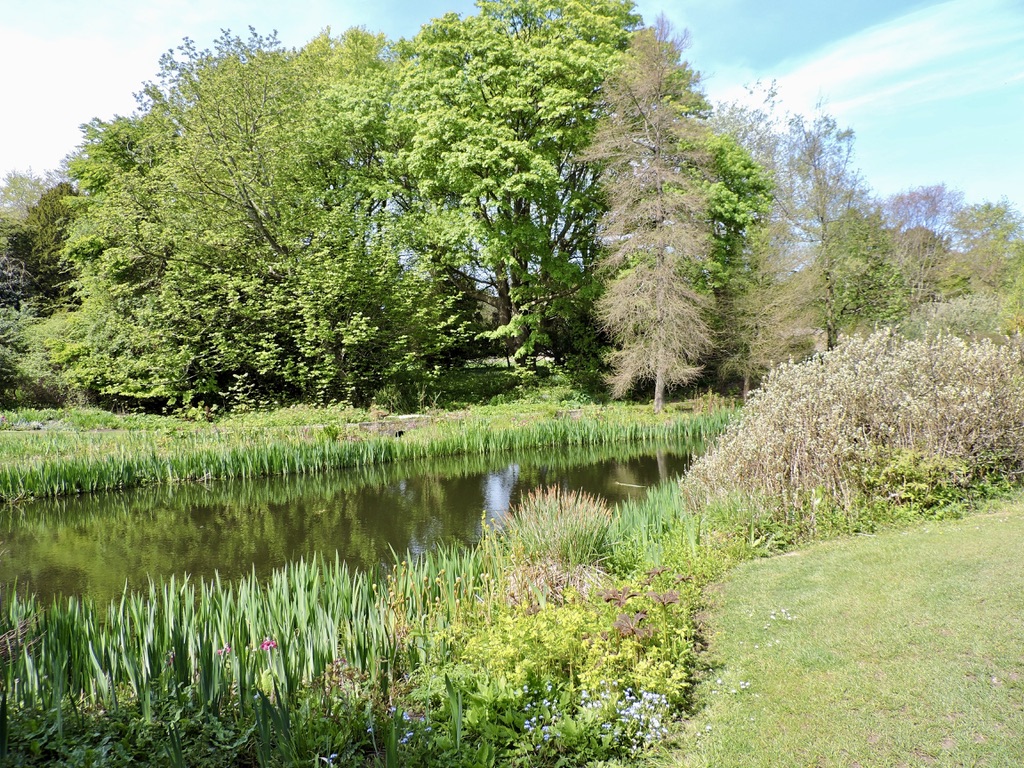
From the church we headed back towards the house for a cuppa and then on to the bog garden which will be at its best in a couple of weeks once the irises are in flower
A little further along is a beautiful, sensory garden designed for the National Autistic Society. It’s been developed for those with autism but anyone can go in – its worth a visit to feel how peaceful it is and marvel over how creatively its been designed.

After walking on through meadows and fields of daffodils we had a quick sit-down to admire the view before heading towards the ‘The Long Walk’.
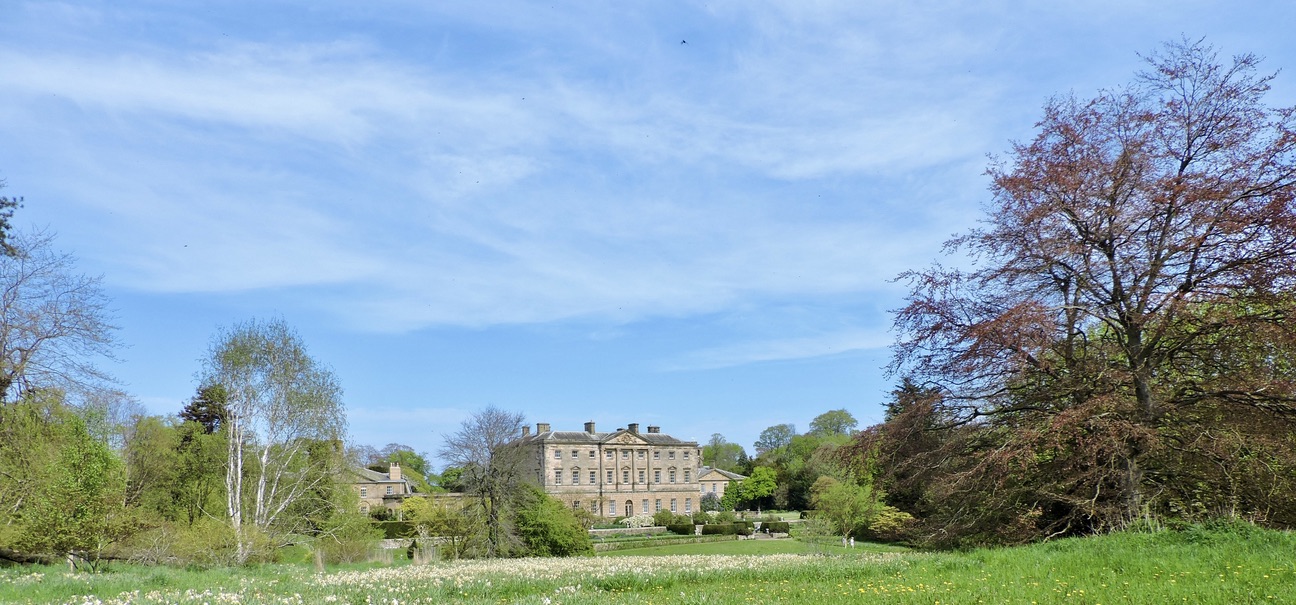
“The Long Walk” is a one and a half mile path through woodland following the Howick Burn to the sea. It does feel like it’s never going to end. And be warned – once you go through the turnstile about three quarters of the way along there is no going back! To return to the gardens (and your car) you have to take the coast path and follow a farm track to the main road which is about a 2 mile walk. We’ve done it before so were prepared with a picnic to eat once we reached at the beach.
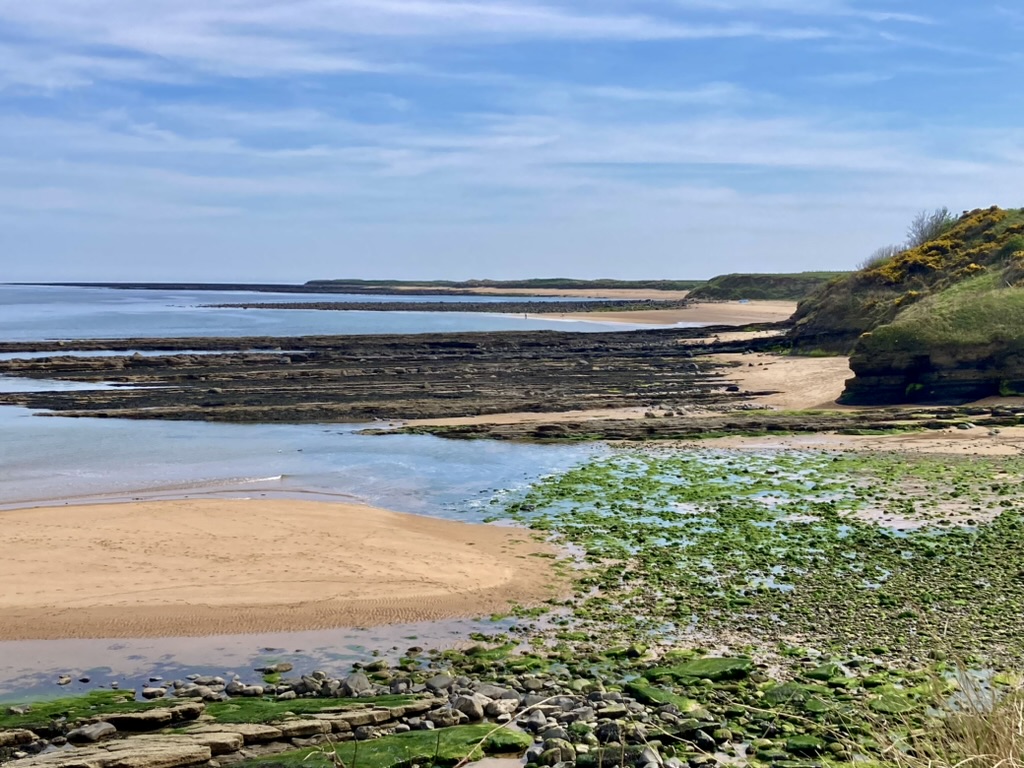
The tide is out!

We sit on the seawall and eat lunch watching some diving birds – maybe Tern – plunging face first into the water for their lunch. The coast path is lined with gorse with glimpses of a calm sea where we can see Eider Ducks floating.

It’s great to be back by the sea so we take our time along the coast path before turning inland for the long road walk back to the gardens where we treat ourselves to ice-cream!
The Thames Path from Lechlade to Ingleston

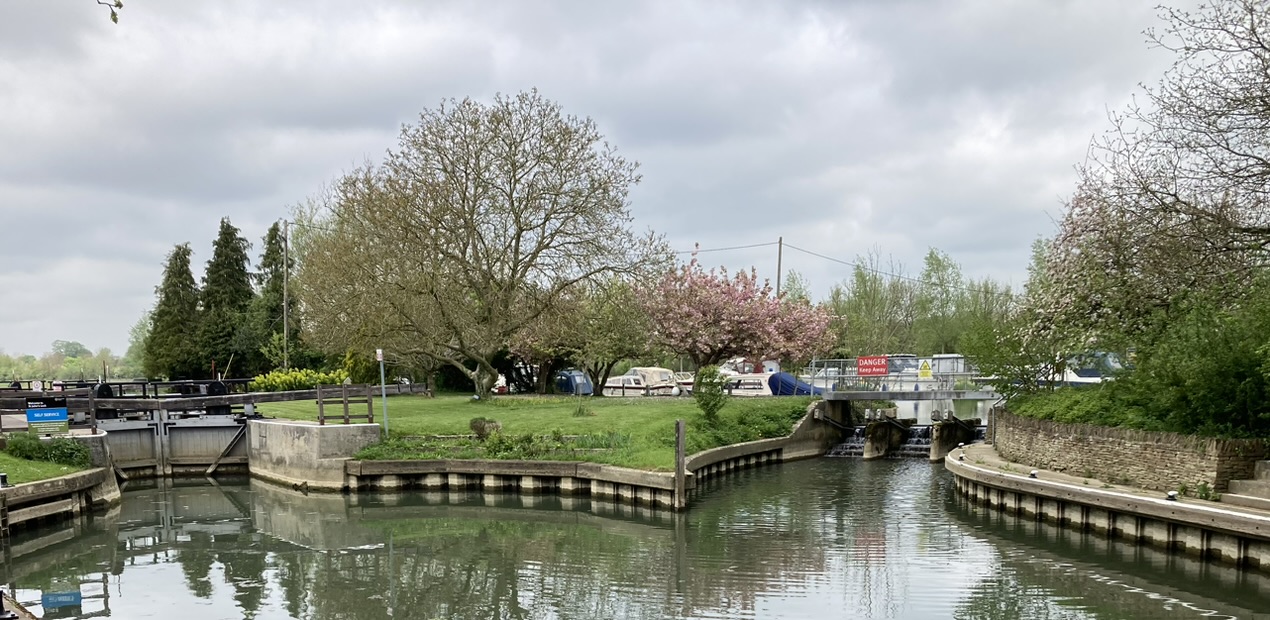
A recent visit to The Cotswold with Ms B, staying in the lovely little village of Langford gave us a chance for a 4 mile circular tramp – a lovely, flat walk through the floodplains alongside the River Thames, starting in the small market town of Lechlade in The Cotswolds. After a stroll through the churchyard of St Lawrence’s Church we walked along a wooded path, across a very busy road bridge and down steps to St John’s Lock – the furthest upstream lock on the River Thames.

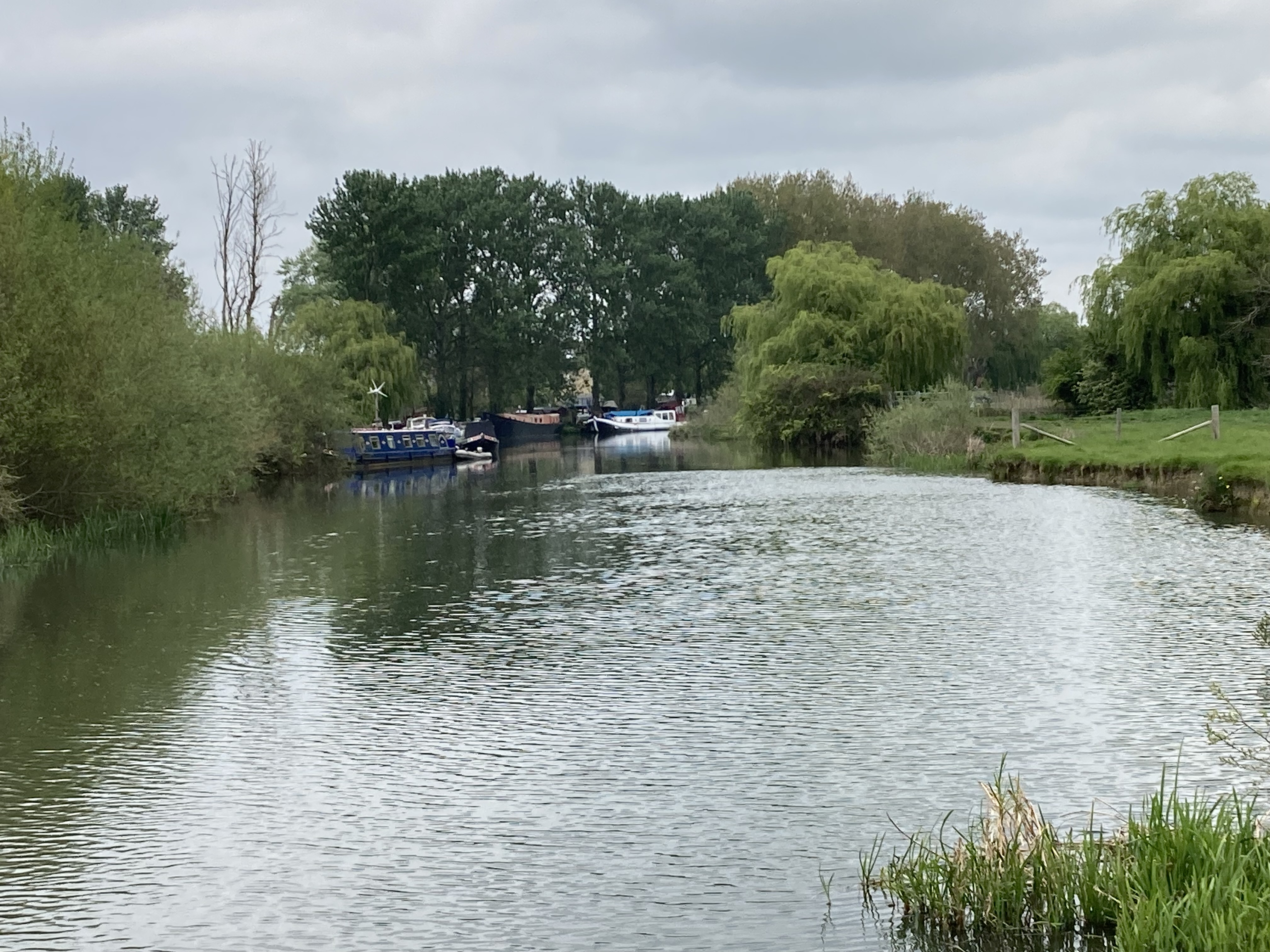
Glad to be away from the road we followed the river through fields and meadows, keeping the church in Lechlade nearly always in view.

An information board early on tells us that if we kept walking we could be in London in 10 days! Deciding not to bother with the trek on this occasion, we carried on following our planned walk under the stone Ha’penny Bridge and across a stream with the Inglesham roundhouse in the distance.

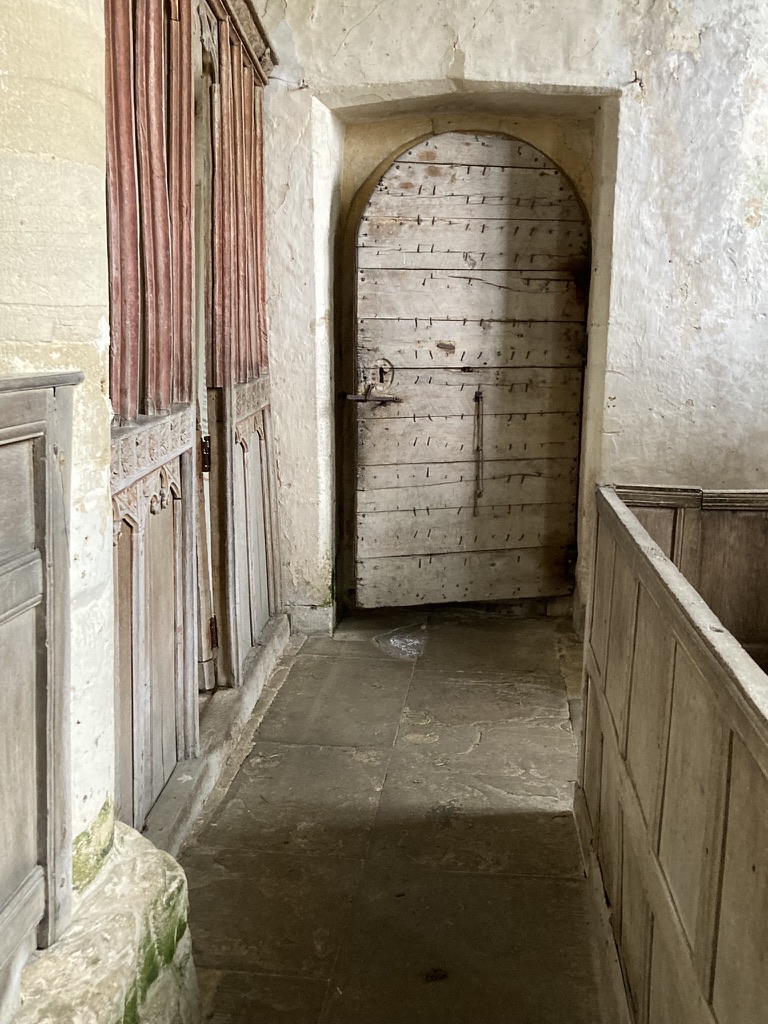
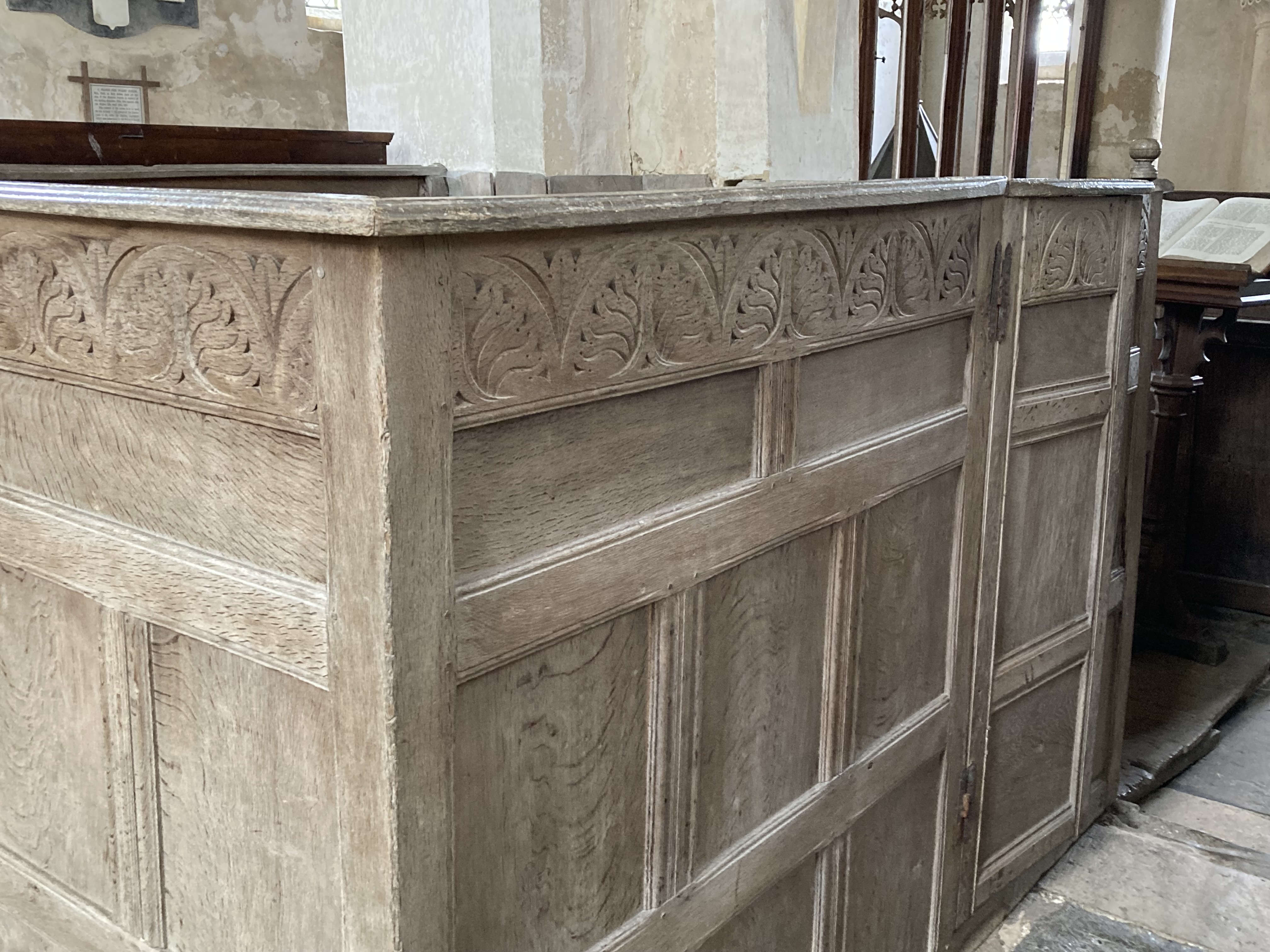
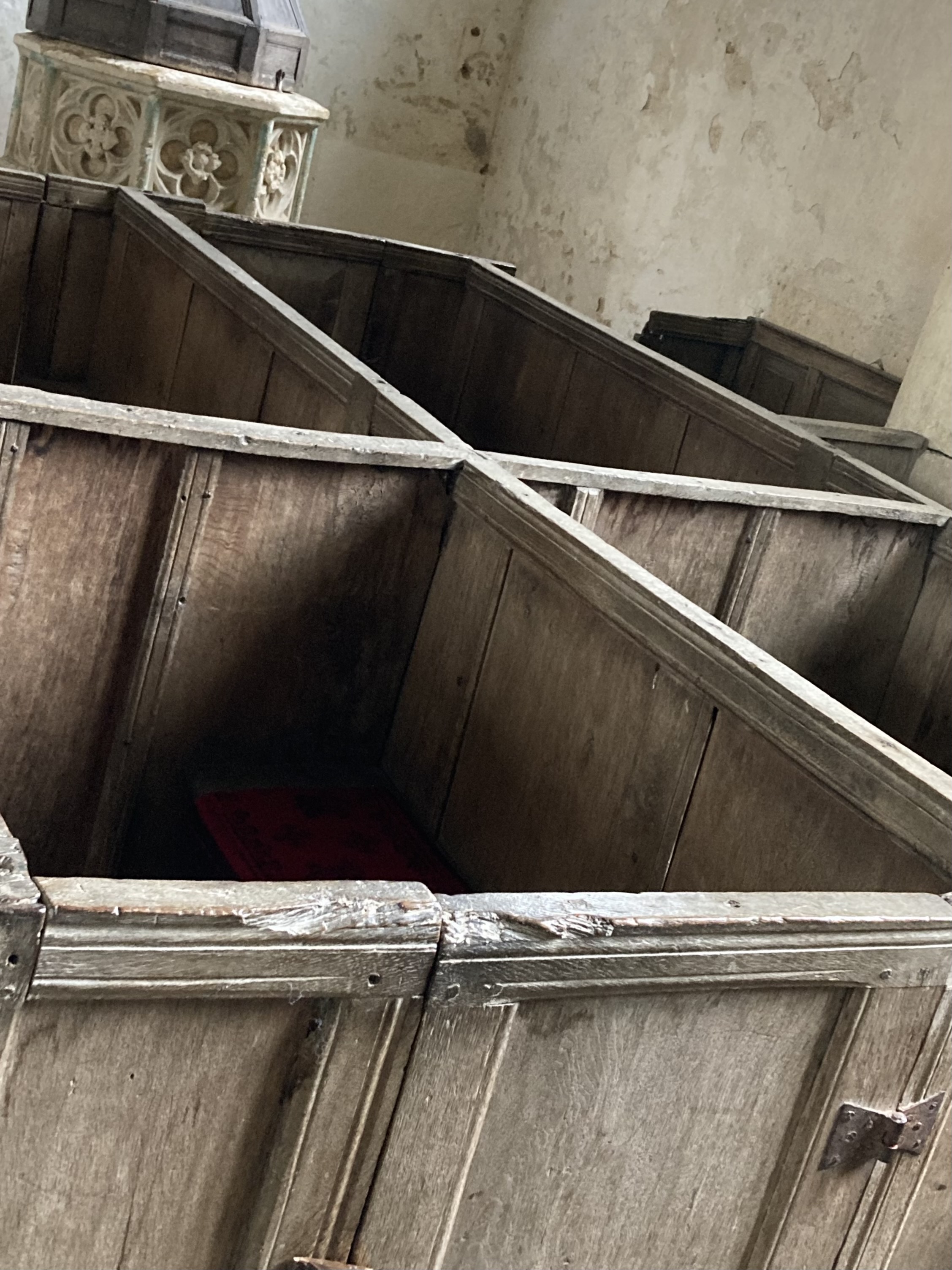
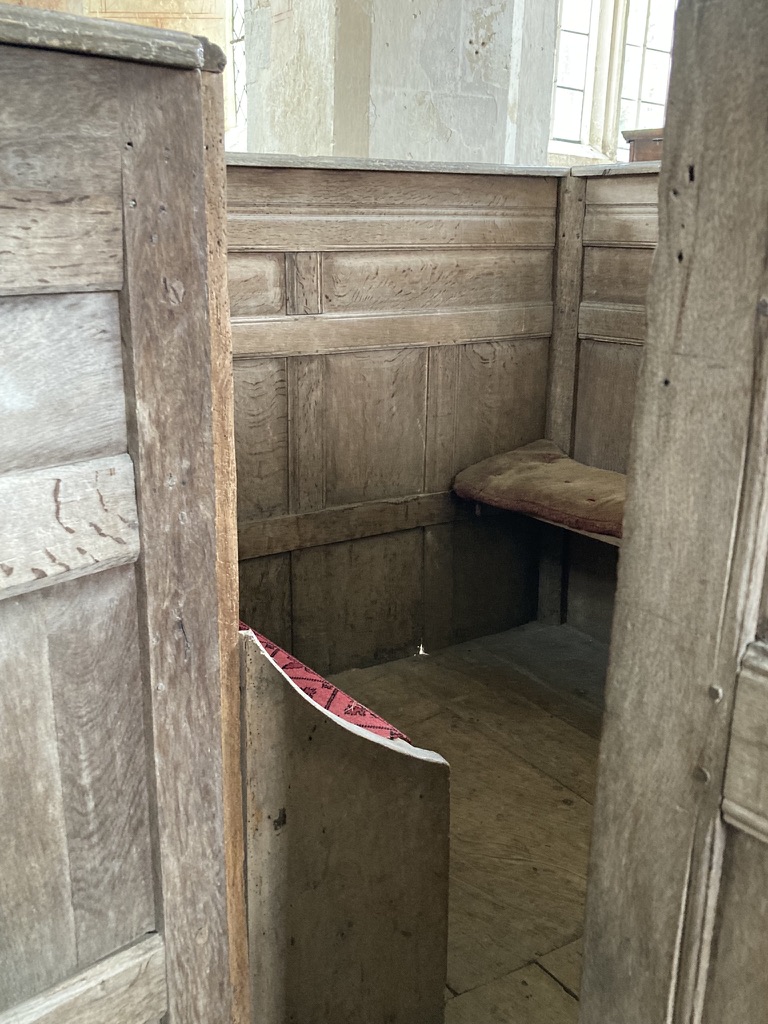
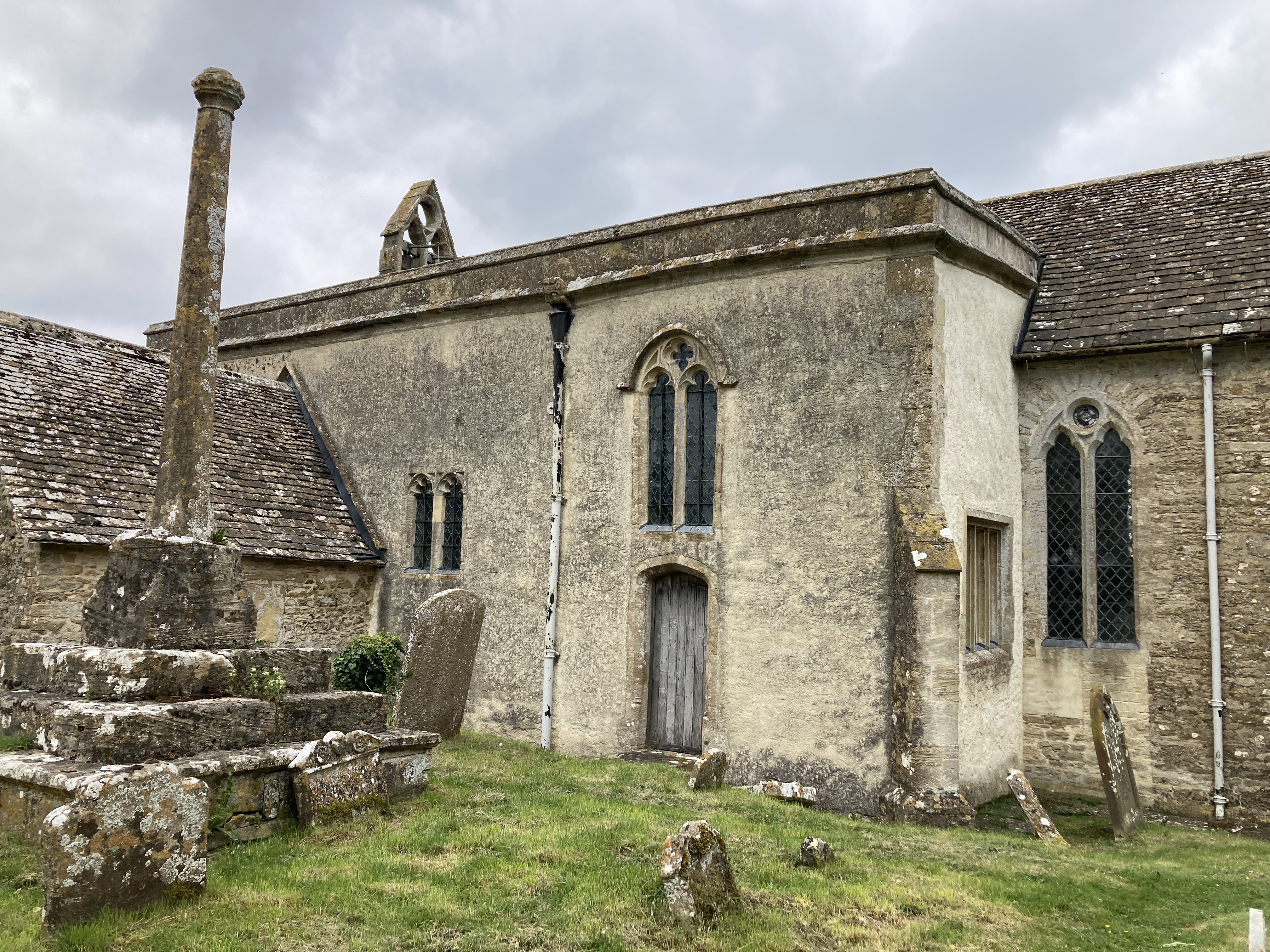
At the roundhouse we took a diversion away from the river to visit what turned out to be the highlight of the walk – the ‘ancient, painted wonder’ of the Church of St John the Baptist with its Saxon carving, 13-19th century painted walls and 17-18th century box pews. This rare example of an unrestored church had us gasping in amazement as soon as we pushed through the ancient wooden door. I’ve never been inside a church that hasn’t been restored in some way before – and I don’t think I’ve ever seen box pews and wall paintings like these.

The North Door dates from the 14th century

Before the 13th or 14th centuries seating wasn’t usually provided in churches but as sermons became longer so the need for seating became urgent, not surprisingly! The box pews here seem a bit higgledy- piggledy, in some churches they are in orderly rows. The surrounds are shoulder high and the seating narrow. They can’t have been very comfortable but in some places they even contained a fireplace as churches were very cold places. Many pews were owned by farming families and occupied by them for services.

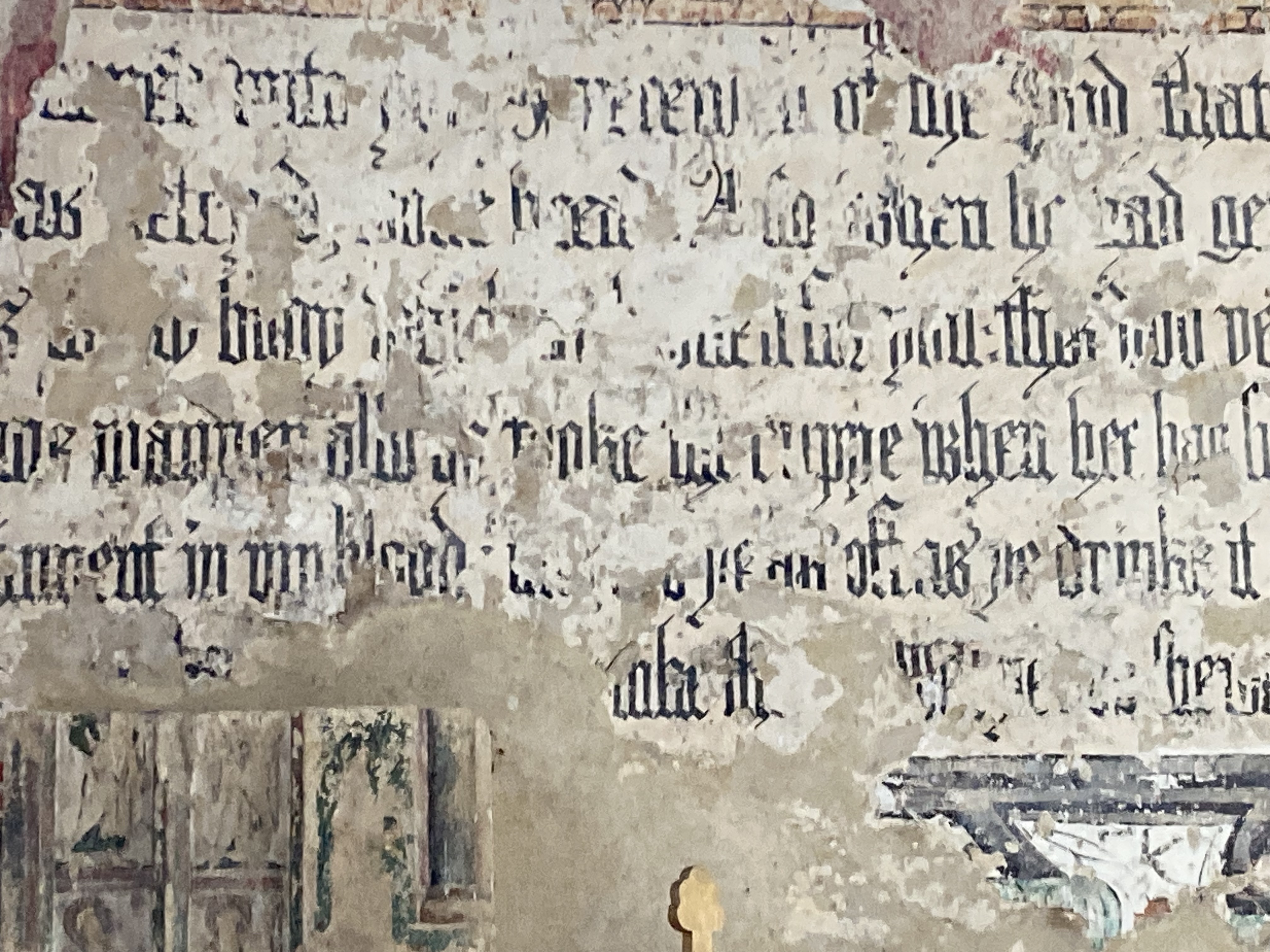
The walls are covered in paintings, many dating from the 14th century and are seven layers deep in places.

A huge stone with an indentation of an unknown knight set into the uneven floor
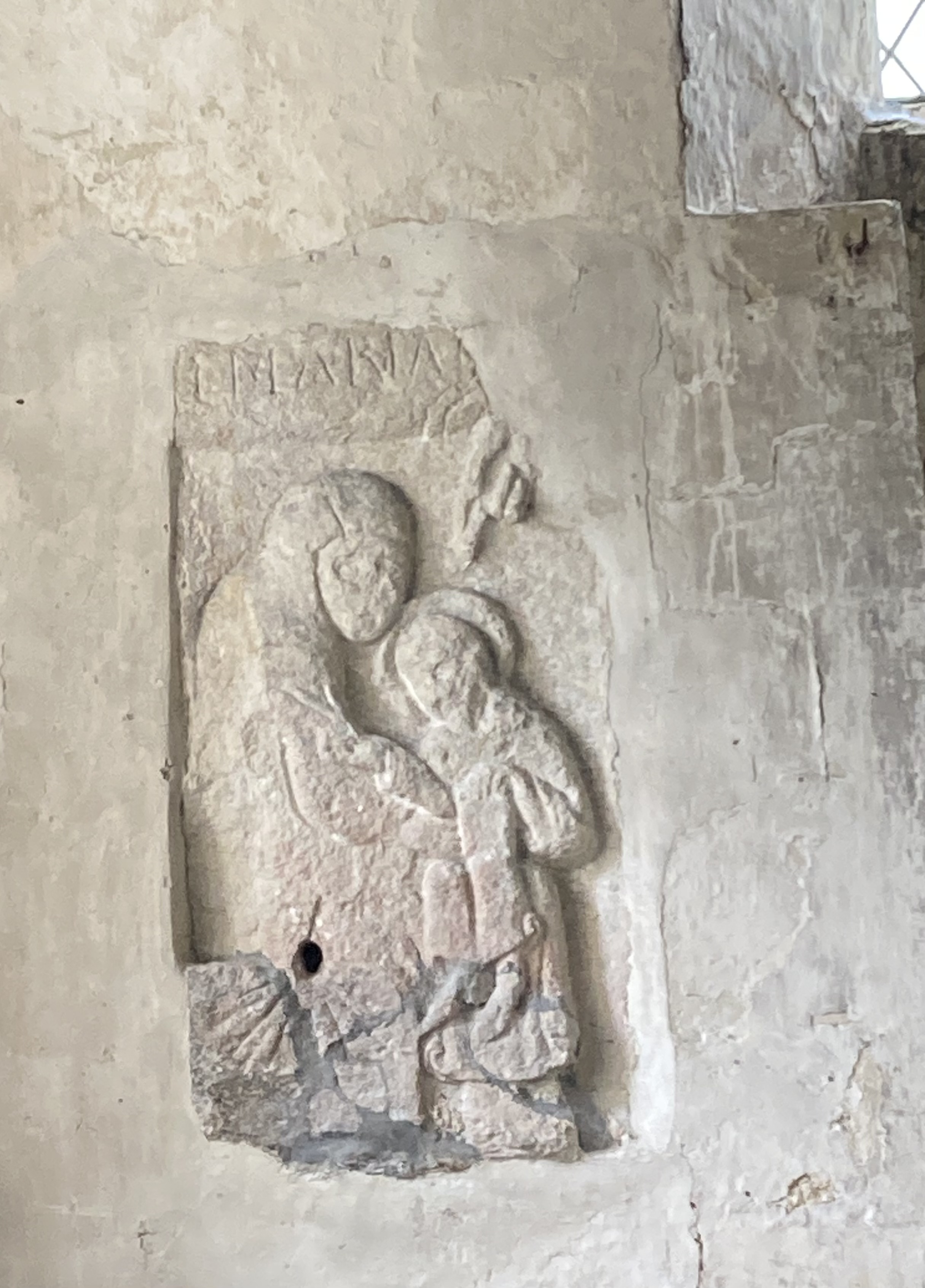
A Saxon carving of the Mother and Child blessed by the hand of God

William Morris – textile designer and conservationist recognised the importance of this church and in 1887 raised a funds for essential work to prevent the building falling into ruin. Now the church is under the care of The Churches Conservation Trust [ https://www.visitchurches.org.uk/ ] and conservation of the wall paintings has been ongoing for 23 years. There is recent damage from water ingress after the lead flashings were stolen from the roof so lots of work – and money – is still needed to protect this ancient monument.

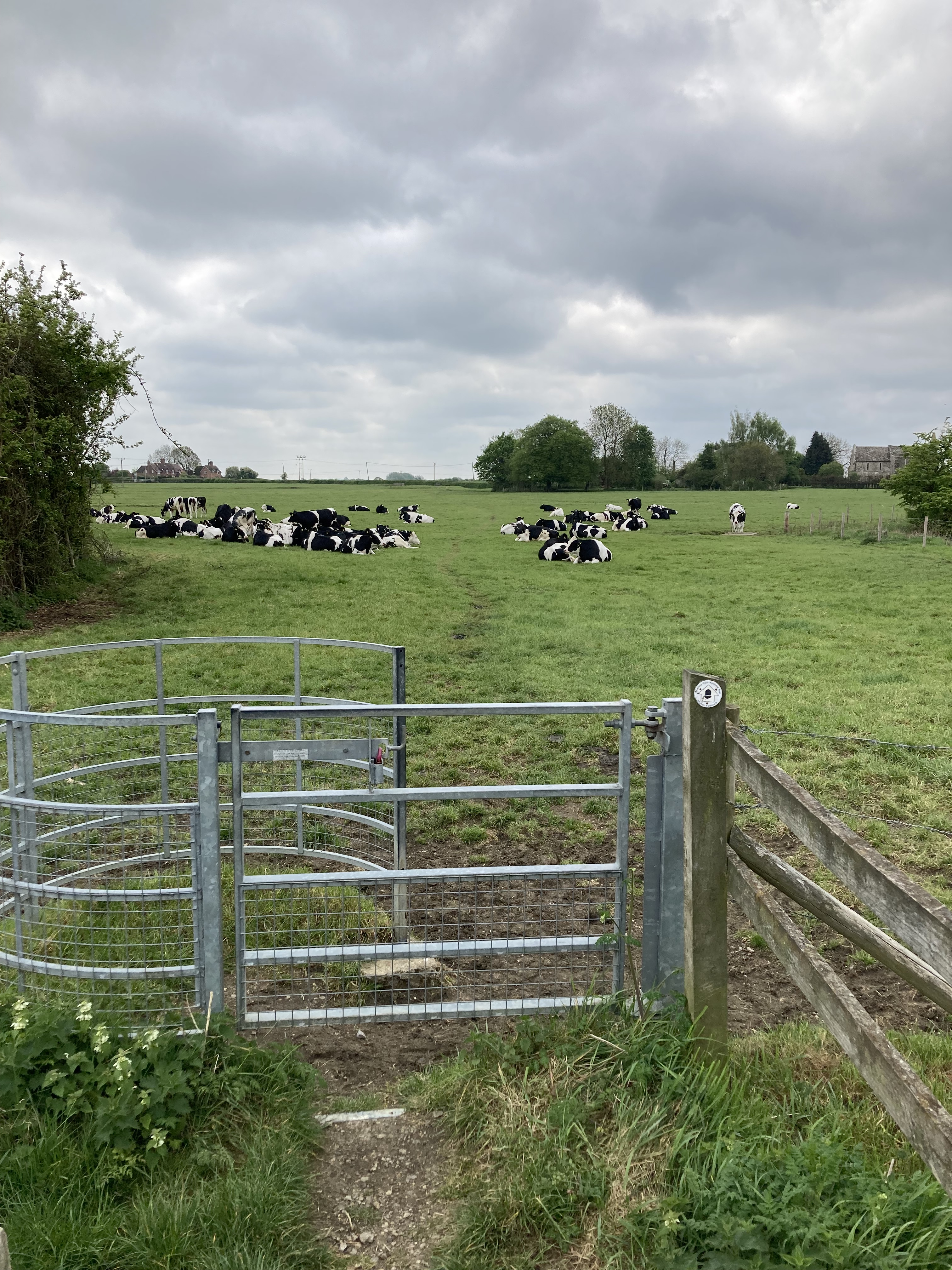
When we took the diversion away from the Thames Path, we had to walk through a field of cows. I am a cow coward! Ms B. had to talk me through them whilst I held on to her coat sleeve and sweated my way across with my eyes closed! On the way back to the river we had found our common sense and walked all the way around the edge of the field to the wooden bridge over the river. It has to be said that the cows seemed completely unconcerned about us whichever way we were walking!

The final mile or so of our walk took us through meadows on the other side of the river and back into Lechlade.

We used directions from Walk 04 in the April 2025 edition of Country Walking magazine. We stayed at Garden Cottage in Langford – perfect cottage, perfect location (airbnb). We ate at The Bell Inn, Langford ( https://www.thebelllangford.com/ ) delicious food, friendly pub and at The Five Alls, Filkins, just 2 minutes up the road https://www.thefiveallsfilkins.co.uk/ again, delicious food!

I’ve just read Night Swimmers by Roisin Maguire – set on the coast of Northern Ireland during lockdown – such a lovely book!

Next time – Howick Hall and Gardens in Northumberland and a walk along the coast.